
What is EDI?
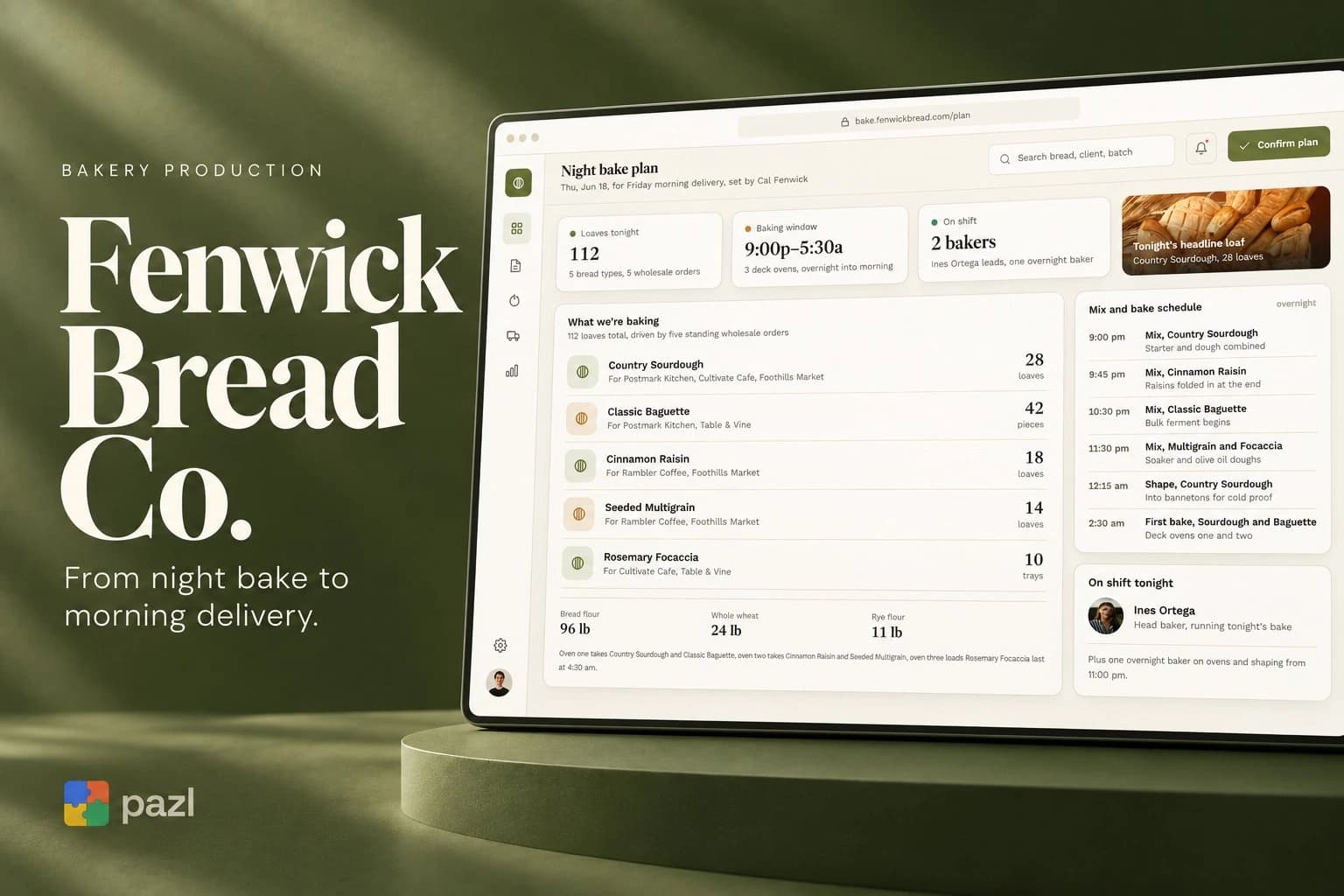
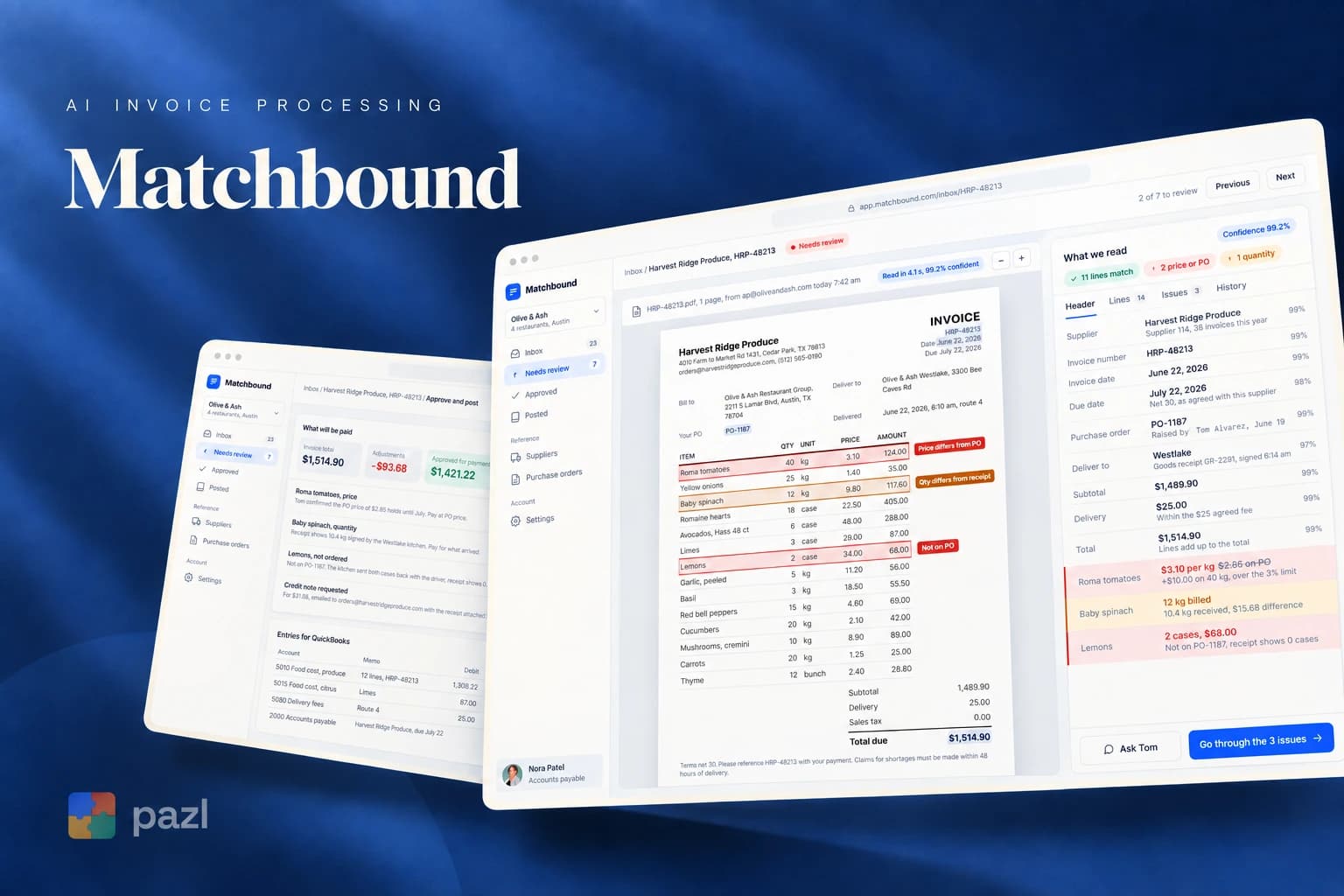
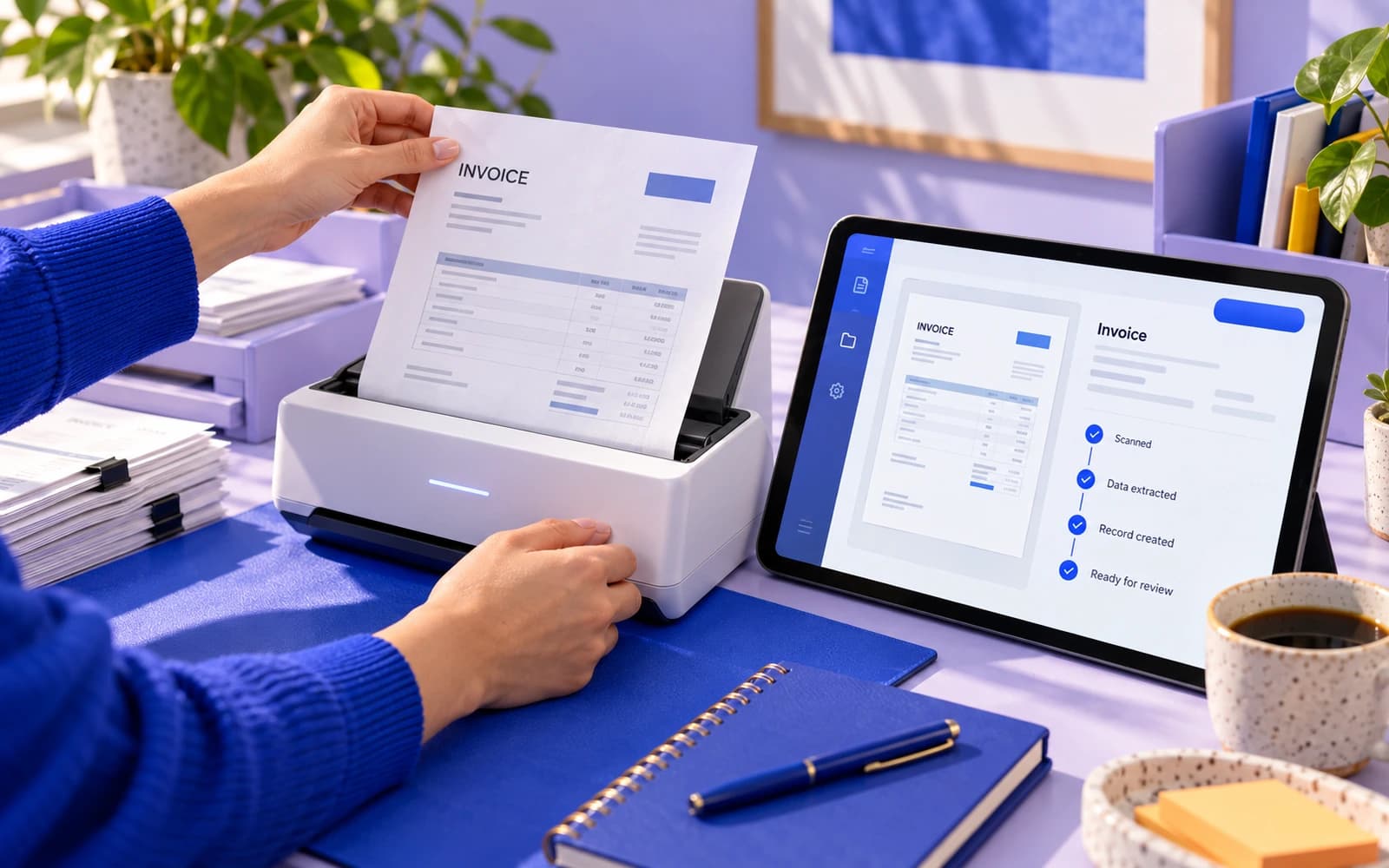
EDI (electronic data interchange) is the exchange of business documents such as purchase orders, delivery notes and invoices directly between companies’ systems in a standard format.
Also calledelectronic data interchange
Why it matters for a business
Many large retailers and manufacturers ask suppliers to trade by EDI, so it can decide whether you win the contract.
More
UN/EDIFACT and ANSI X12, used mainly in the US, are the main standards.
Done well, orders flow straight into your ERP and invoices go out without retyping. In the UK, VAT invoices between businesses must be e-invoices sent over the Peppol network from 1 April 2029.
How it works
Your ERP turns a document into an EDI message and sends it over AS2, SFTP or a value-added network.
EDI vs API
EDI exchanges standard documents between companies, often in batches; APIs usually carry live requests.
EDI and Peppol
Peppol is a network for e-documents such as invoices, built on shared specifications and access points.
What it costs
Starting prices of our services on this topic, in your currency.
EDI in practice
Orders, delivery notes and invoices exchanged between companies’ systems in a standard format.
Example
- A food producer in Lincolnshire wins a supermarket contract that requires EDI.
- Its ERP now receives purchase orders as EDI messages, sends advance shipping notices when lorries leave and issues invoices in the retailer’s format.
- Nobody keys orders in from PDFs any more.
Which term is it?
One system that runs a company’s core processes: sales, purchasing, stock, production and finance.

From the founder
Often nothing is missing except a connection: two systems that should share data and do not. We map what moves where, then agree scope and price up front.
Anatoly MikhailovFounder of Pazl