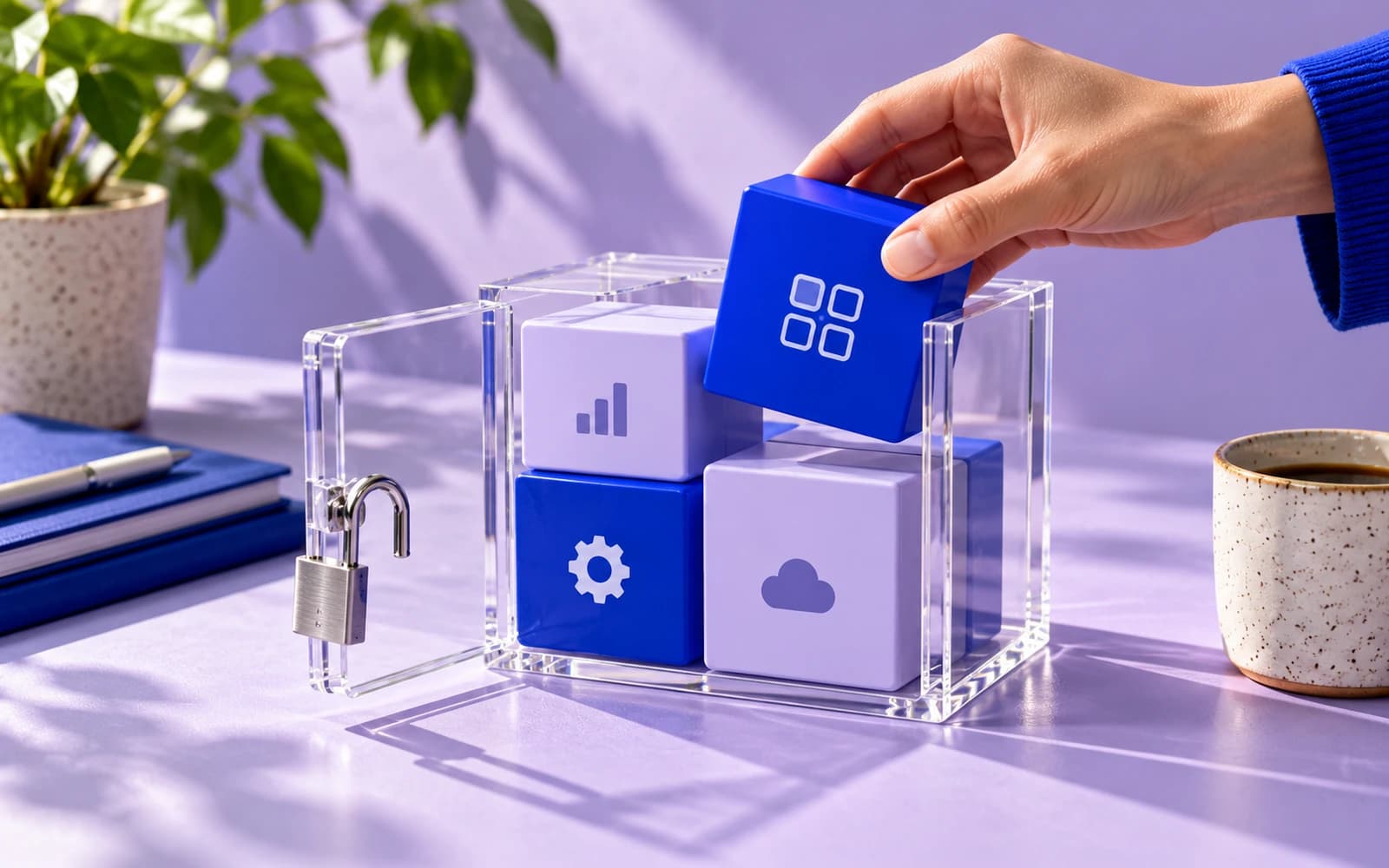
One record per model, batch or item, fed from your PLM, ERP or PIM and opened from a QR code on the label. Blockchain anchoring only if you need tamper evidence: the passport doesn’t require it.
from €2,500
Fed from PLM, ERP or PIM
Fields shown by audience
Blockchain optional
Fixed price / You own 100% of the code / 6-month warranty
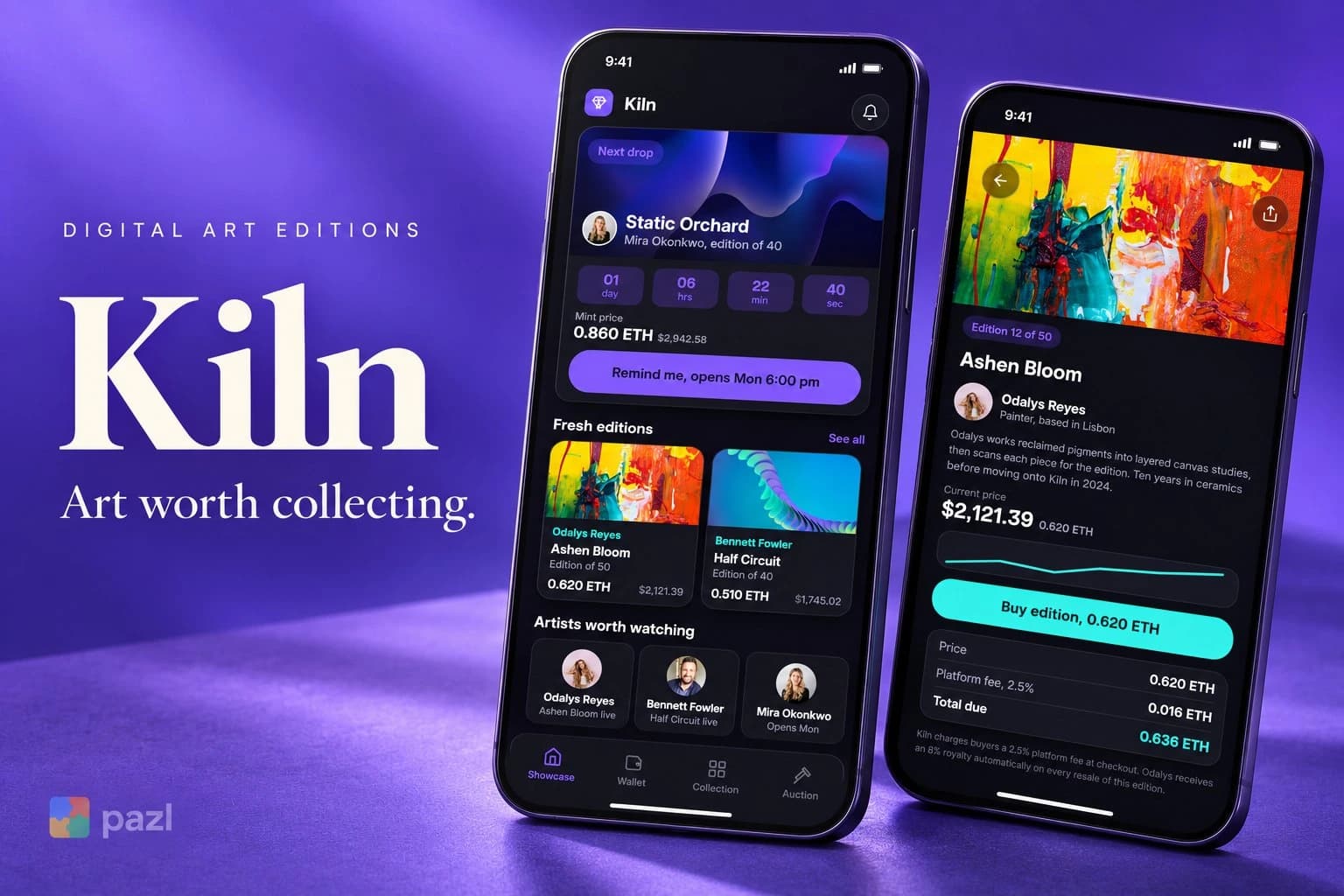
Concept Kiln: Digital Art Editions
01 How the data moves
From your PLM to the QR code on the label.
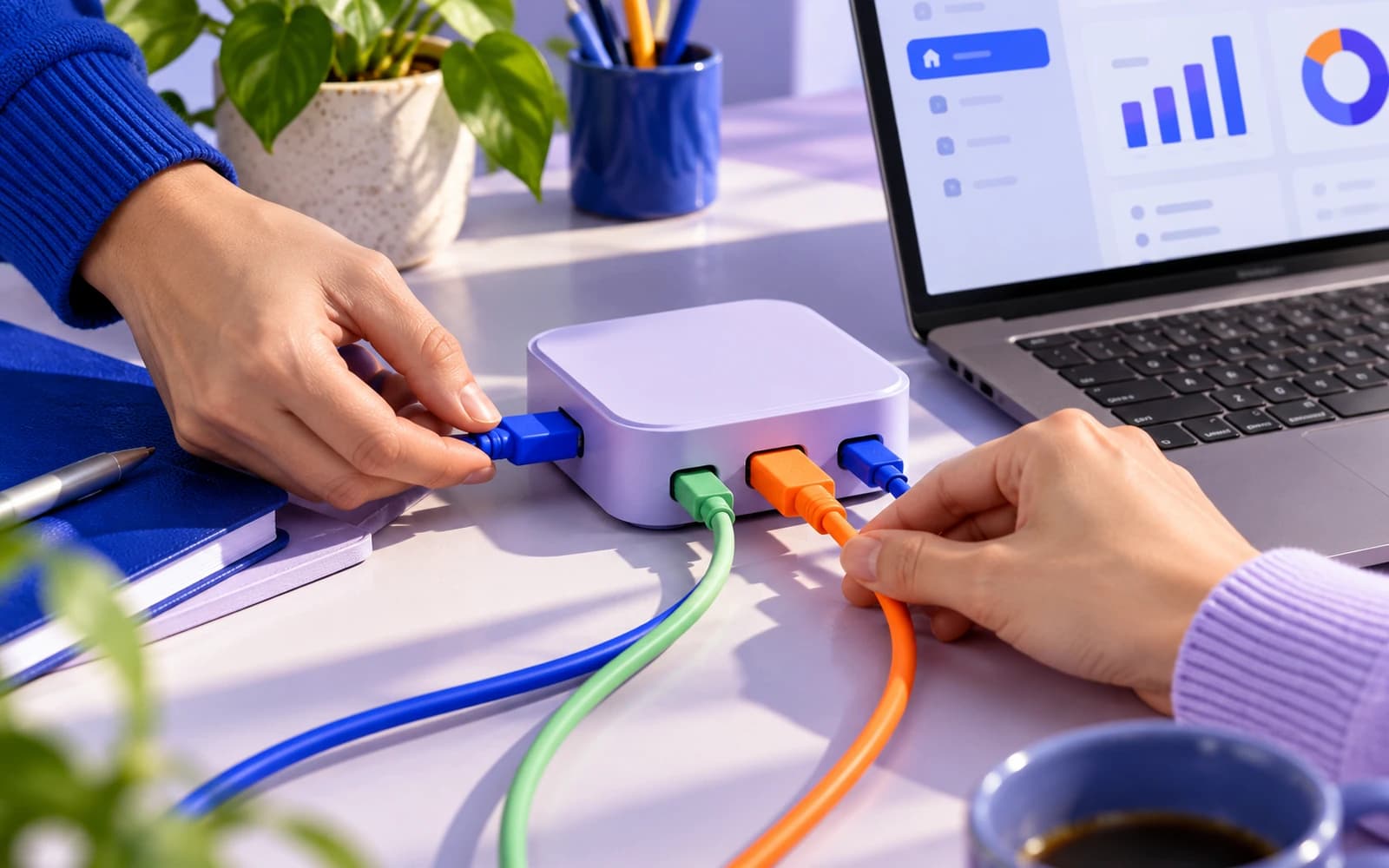
Product data flows from the systems you run into one record, then out through a QR code to whoever scans it.
01 / 05PLM, ERP and PIM
Product, component and material data is pulled from your systems instead of retyped.
02 Delivered work
Real projects by the same team.
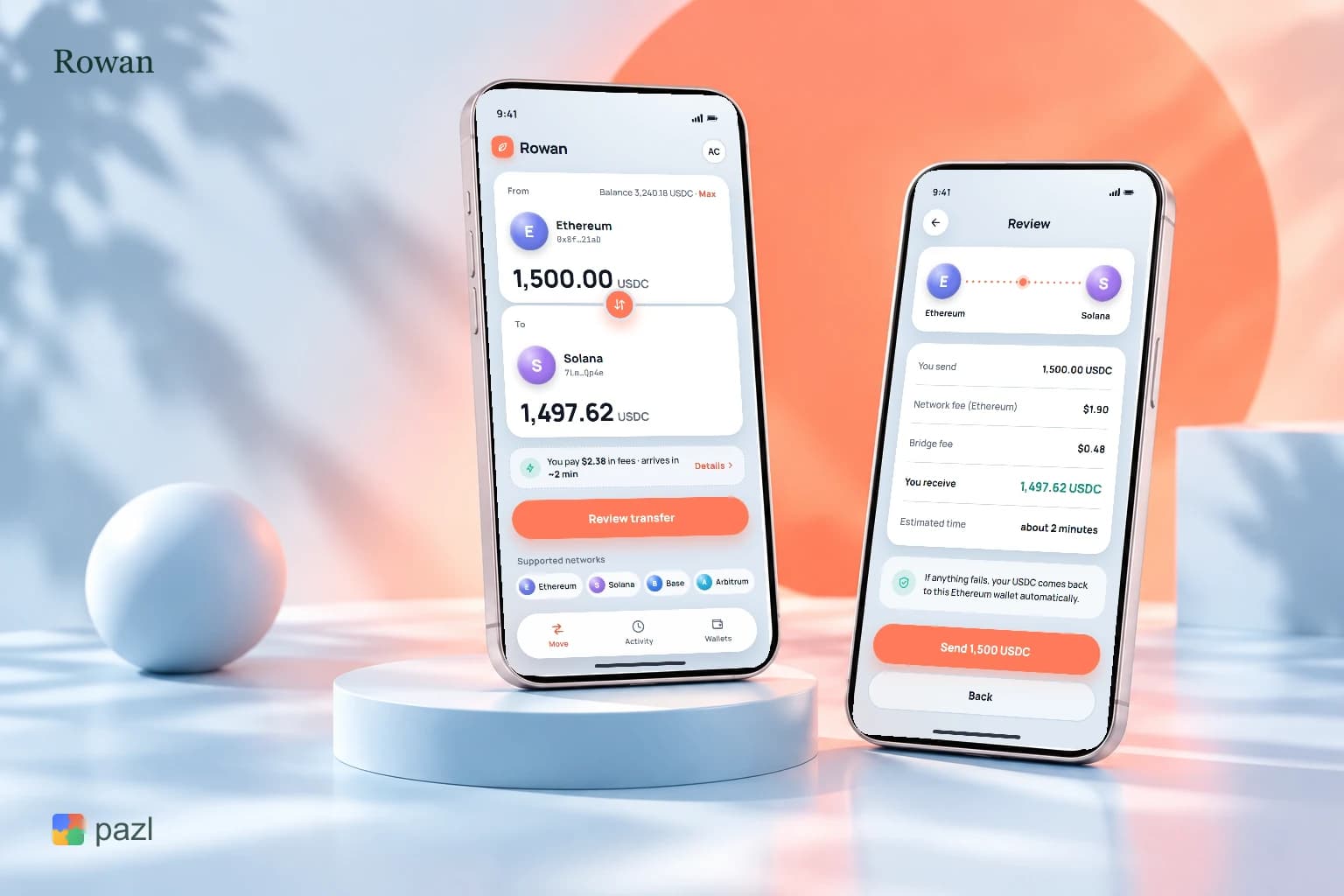
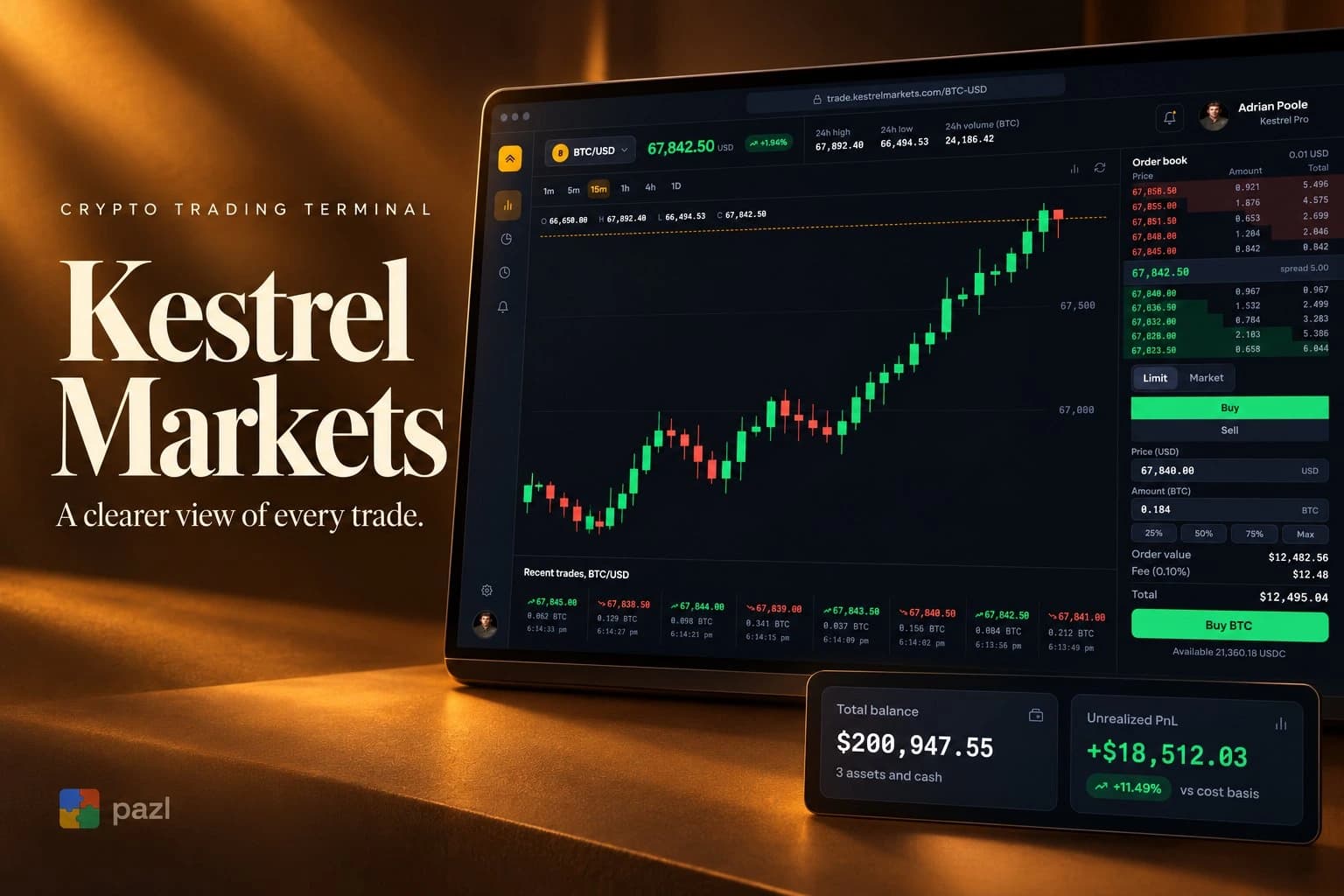
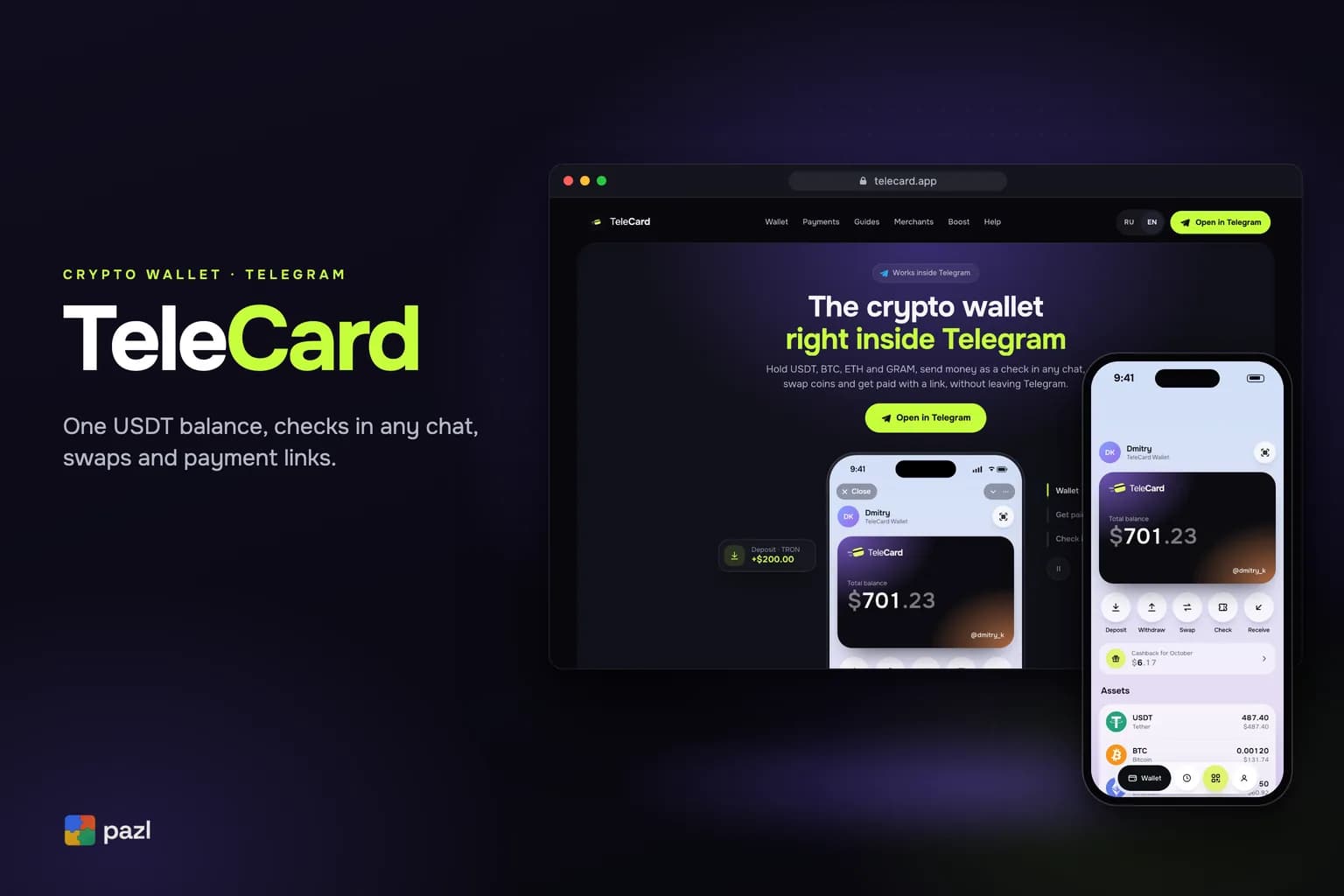
TeleCard is our own crypto wallet. We have no Web3 client project to show yet; the other projects are the same kind of work, built and shipped by the same team.
The ESPR brings the passport into EU law, so the data behind it needs an owner, a source and a history.
Starting pricefrom €2,500Fixed price for the first product group, set after the brief.
ESPR · 2024/1781In force since 18 July 2024ESPR · unsold goodsUnsold textiles and footwear can’t be destroyedUK · Digital Assets ActA token can be personal property
Details and sources
In force since 18 July 2024. The Ecodesign for Sustainable Products Regulation introduces the Digital Product Passport, which the European Commission calls “a digital identity card for products, components and materials”. We model products, components and materials as separate records from the start.
Unsold textiles and footwear can’t be destroyed. The regulation includes a ban on destroying unsold textiles and footwear. For fashion and footwear brands, the product records behind the passport are also the natural place to track what happens to unsold stock.
A token can be personal property. The Property (Digital Assets etc) Act 2025, in force since 2 December 2025, confirms that digital assets can be objects of personal property rights in England and Wales and Northern Ireland. If each item gets a token, decide early who holds it and what passes with it on resale.
Pick the first group. One product group, its fields and who sees them.
Trace every field. Each field mapped to the system or supplier it comes from.
Build pages and feeds. Passport pages, QR codes and imports, on staging first.
Issue and extend. First passports live; the next group reuses the model.
10 FAQ
Straight answers.
Does a digital product passport need a blockchain?+
No. Most of the work is the data: getting it right, keeping it current and showing it to the right people. We anchor a record’s fingerprint on-chain only when outsiders must be able to check it hasn’t changed.
Which products need a passport, and from when?+
That is set product group by product group under the ESPR, and we don’t guess dates for you. Your compliance lead or lawyer tracks the rules for your category; we build the data model so the next group is added, not rebuilt.
Who sees what in the passport?+
You decide with your compliance team. We build public fields for buyers and restricted ones for repairers, recyclers or authorities, with access per audience.
What does DPP software cost?+
A first passport system for one product group, with QR pages and one system feed, starts at €2,500; the fixed price for your scope follows the brief.
If we pair passports with tokens, do crypto rules apply?+
A fingerprint anchored on-chain is not a token at all, and a one-off token tied to one item is unique. Whether any crypto rules touch your set-up is for your lawyer; we hold no licence and build to their answer.
 pazlWEB3←Main site