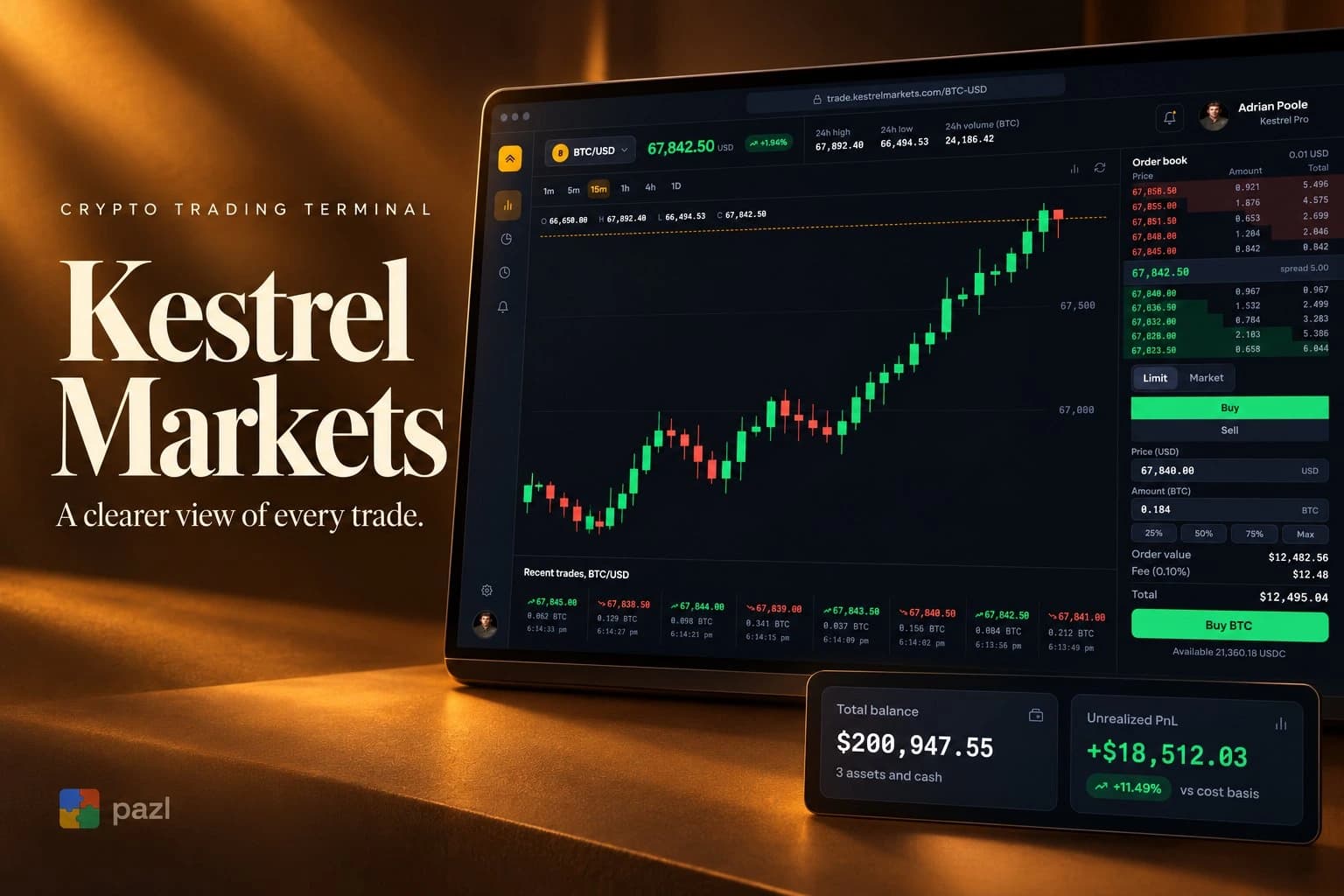
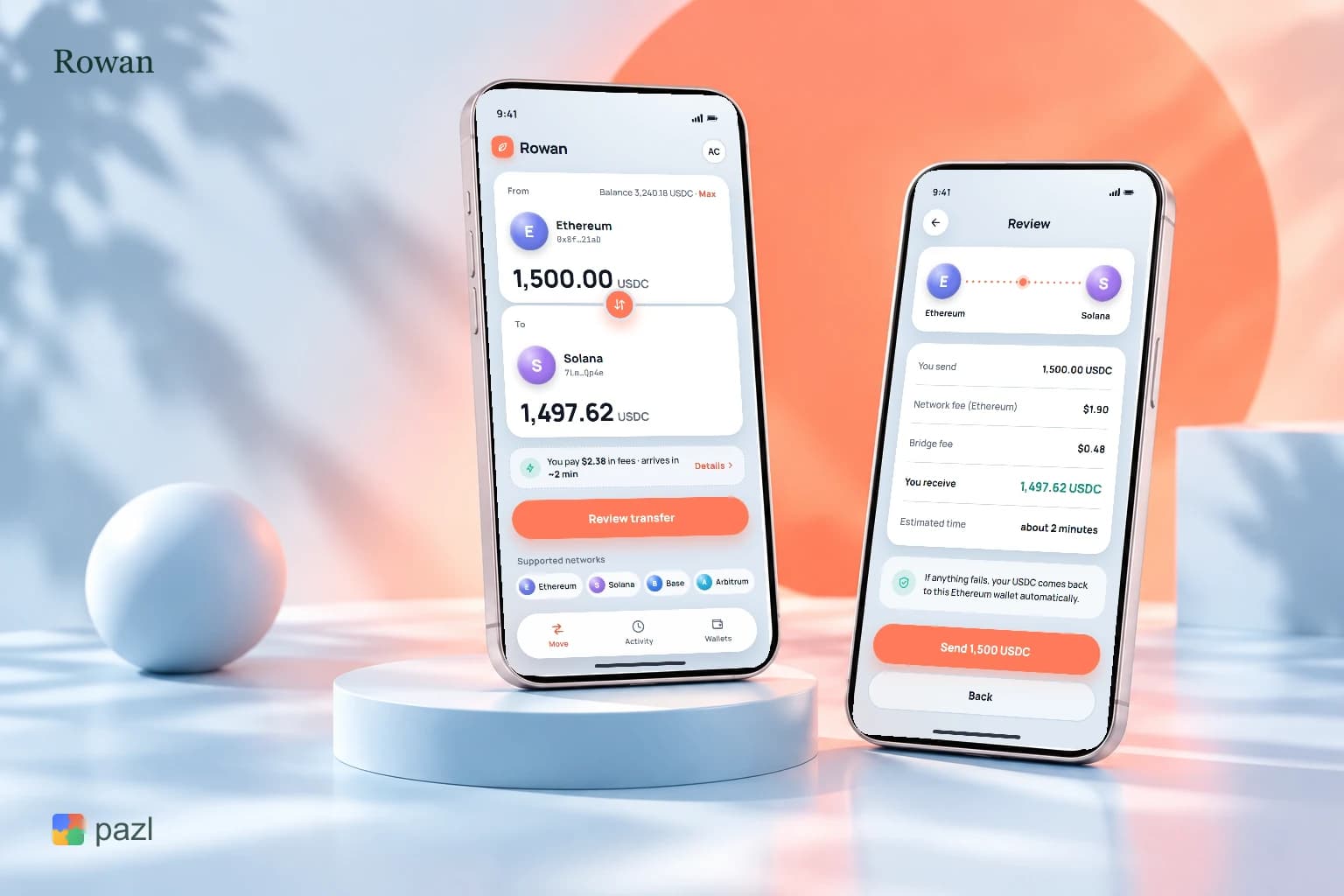
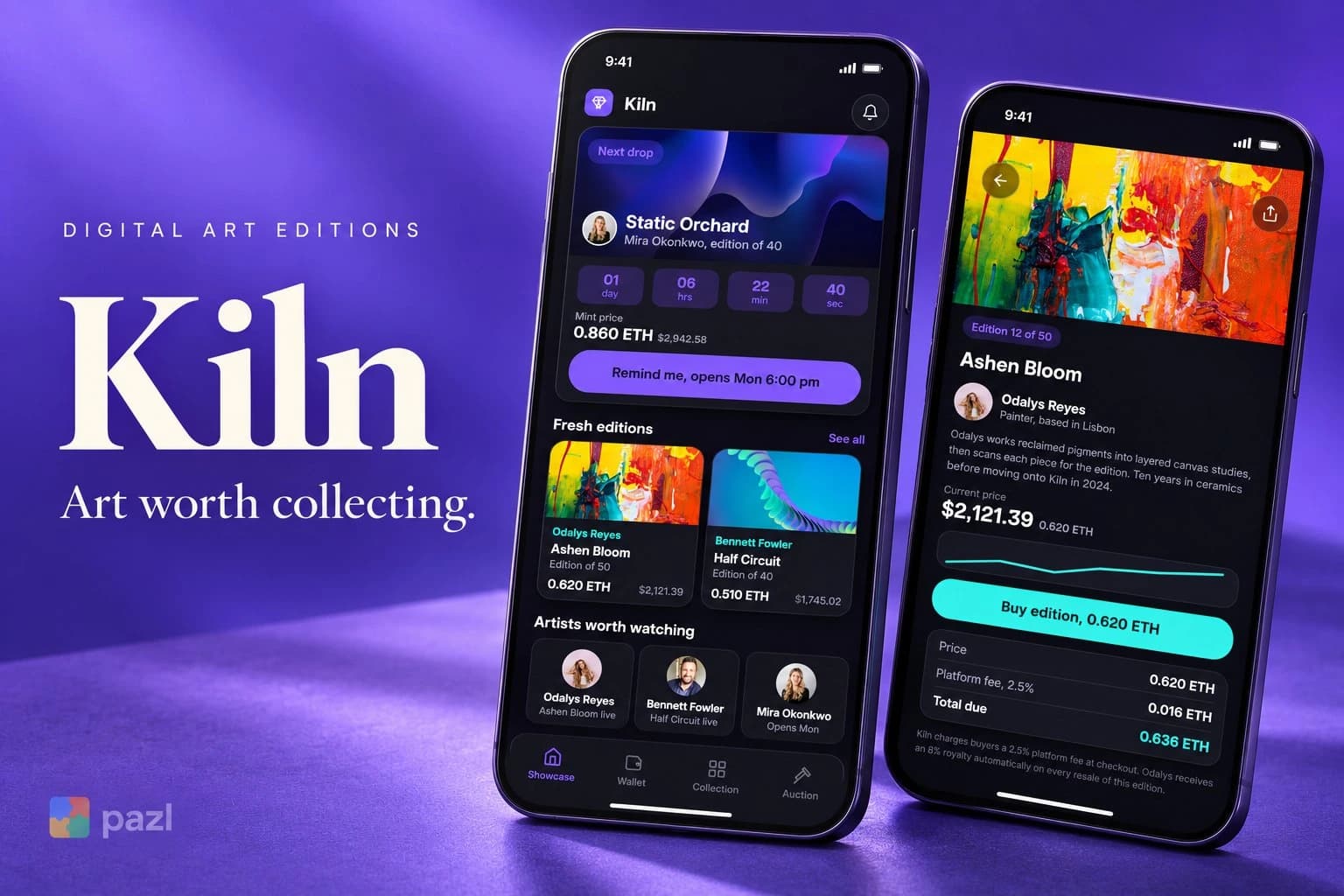
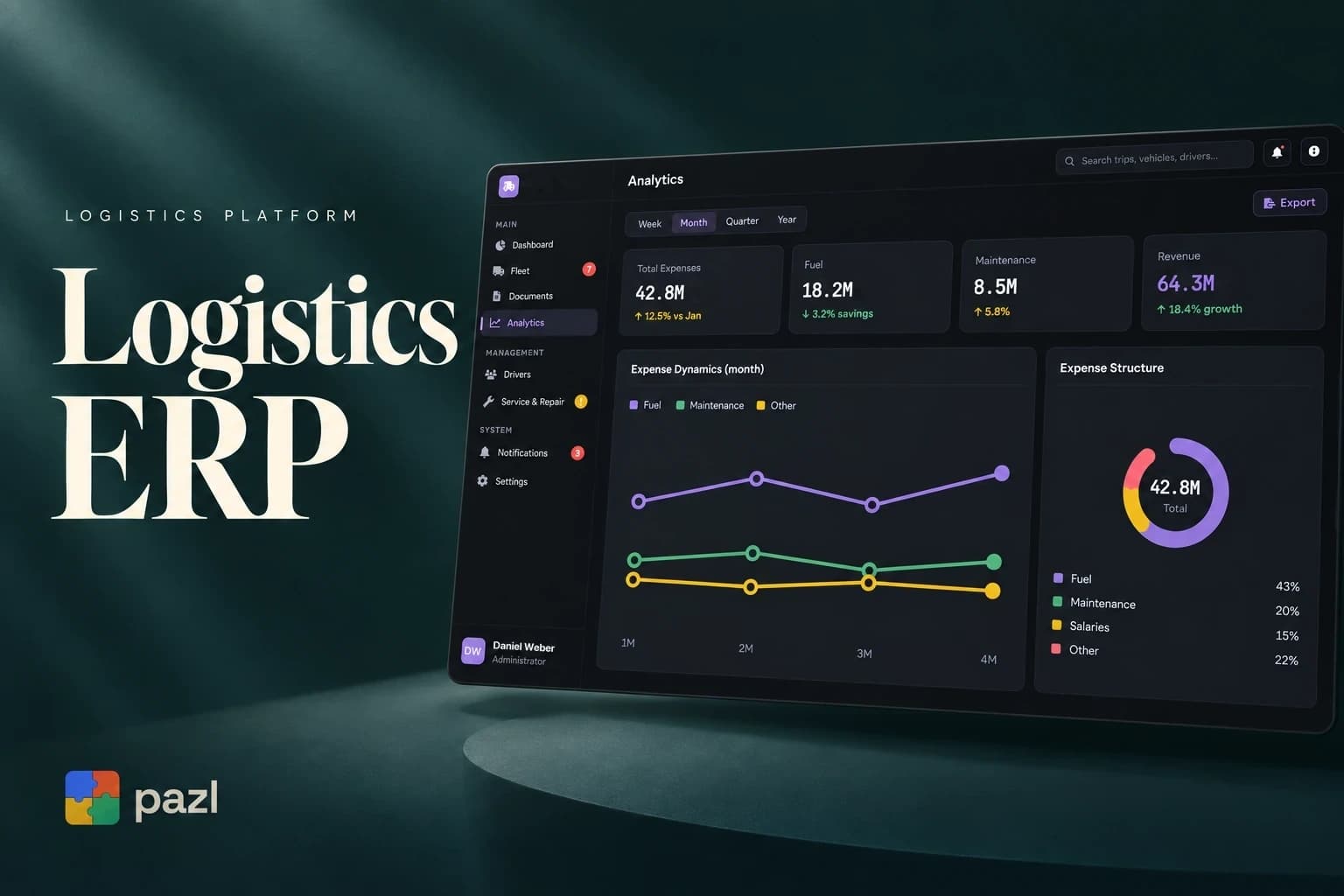
Trading terminals, portfolio dashboards, exchange front ends and back offices, built on your venue’s or your providers’ APIs. Start with one terminal or dashboard; a full exchange is sized after the brief.
from €2,500
For licensed operators and desks
Order books and charts via APIs
Admin and compliance consoles
Fixed price / You own 100% of the code / 6-month warranty
Concept Kestrel Markets: Crypto Terminal
01 How it fits together
Five layers, one product.
Every Web3 product is the same chain of parts. Tap a layer to see what it does; the bright ones are what this page builds.
04 / 05Back end and indexer
Reads the chain, keeps the history and links it to your systems.
We build Connected
02 Delivered work
Real projects by the same team.
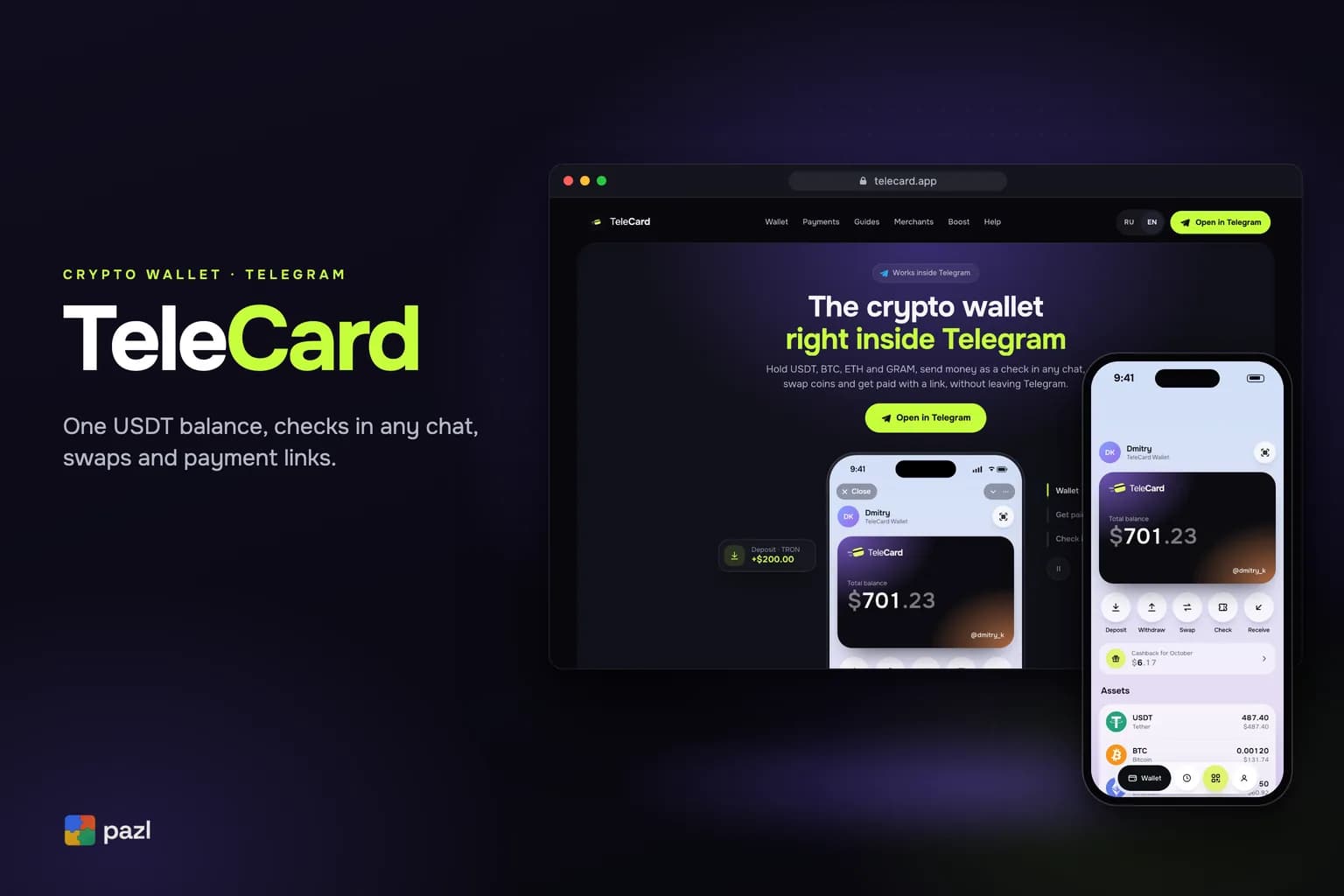
TeleCard is our own crypto wallet. We have no Web3 client project to show yet; the other projects are the same kind of work, built and shipped by the same team.
01A white-label front end that looks like everyone else’s.
02Five exchange tabs open to see one position.
03Compliance checks done outside the platform, by hand.
04Charts that freeze the moment the market moves.
05 What we build
What trading teams ask us for.
01Trading terminal
02Dashboards
03Back office
04APIs and data
More
Trading terminal. Order book, depth, charts and order entry on one fast screen.
Dashboards. Positions, exposure and history across venues and wallets.
Back office. Users, limits, KYC status, approvals and audit logs.
APIs and data. Venue and market data feeds, normalised and stored.
06 In the UK
Running a trading venue needs FCA authorisation from 2027.
A dashboard and an exchange sit on different sides of the line, so we settle which one you are building first.
Starting pricefrom €2,500Fixed price for the agreed scope, set after the brief.
SI 2026/102Operating a trading platform is regulatedFCA · PS26/18Dashboards alone are not arranging dealsFCA · new regimeExpected in force on 25 October 2027
Details and sources
Operating a trading platform is regulated. The FSMA 2000 (Cryptoassets) Regulations 2026 make operating a cryptoasset trading platform, dealing as principal or agent and arranging deals regulated activities, in full from 25 October 2027. The operator holds that permission; we build what they run.
Dashboards alone are not arranging deals. The FCA’s perimeter guidance says information, analytics, market data or dashboard services do not, of themselves, amount to arranging deals. If the screen also routes orders, your lawyer takes another look.
Expected in force on 25 October 2027. The new UK cryptoasset regime is expected to come into force on 25 October 2027; firms carrying on the new regulated activities need FCA authorisation under FSMA. Logs, reports and admin controls are built with that in mind.
Watch the desk. How traders and operations work today, screen by screen.
Connect the data. Venue and market feeds, normalised and stored.
Build the terminal. Fast screens first, then admin and compliance.
Load test, go live. Tests at peak volume, then release with monitoring.
12 FAQ
Straight answers.
Will you build strategies or advice into it?+
No. We build the tools: screens, data, order entry and controls. What to trade and when is your desk’s or your users’ call, and the product carries no advice from us.
Do we need a licence to run it?+
To operate a trading platform or deal for clients in the UK, yes: both become regulated activities in full from 25 October 2027, and the operator needs FCA authorisation. A read-only dashboard is a different case. We build software and hold no licence; your lawyer draws the line.
Which exchanges and data can it connect to?+
Any venue or data provider with a documented REST or WebSocket API, plus on-chain data through an indexer. We normalise the feeds so one screen shows them all.
What does a trading platform cost?+
A first terminal or dashboard starts at €2,500. A full exchange with matching, custody integration and a back office is sized after the brief, and its price is fixed before work starts.
Can it keep up with fast markets?+
We design for it: streaming updates, throttled rendering, and load tests at the volumes you expect before go-live.
Web3 is software first. I want every contract, wallet and screen to be clear to your users, your auditor and your lawyer, with the price agreed before any code.
A free 30-min call with a product lead, or a fixed-price quote by email within 24h.
 pazlWEB3←Main site