pazlWEB3←Main site

Polygon development: smart contracts, dApps and tokens

Ethereum tooling, lower fees, honest chain choice.

More

Polygon PoS runs the same Solidity as Ethereum at lower fees, which suits loyalty passes, NFT drops and enterprise pilots. We build there, bridge to Ethereum where needed, and say when another chain fits better.

  • from €2,500
  • Same Solidity as Ethereum
  • Low fees for consumer apps
  • Bridge flows to Ethereum

Fixed price / You own 100% of the code / 6-month warranty

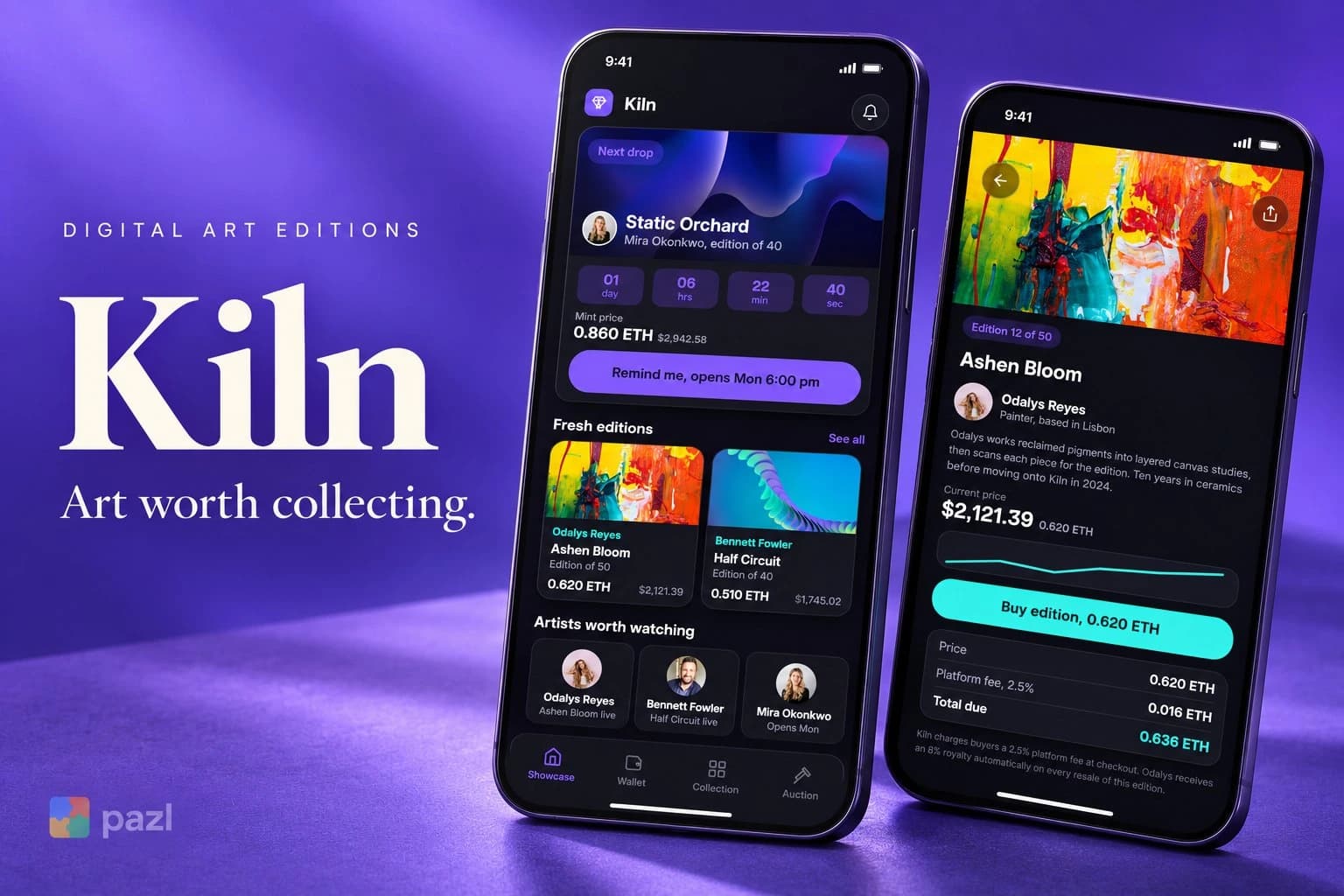
Concept Kiln: Digital Art Editions

Compare the chains side by side.

Set this chain against another: language, tools, tokens and wallets, and what each one suits.

PolygonThis page
Language
Solidity, the same code as on Ethereum
Tools and tests
Foundry or Hardhat, then Polygon’s testnet
Tokens
Tokens, loyalty passes and NFT drops
Wallets
Wallet sign-in, plus email or passkey for new users

Many small actions: loyalty passes, NFT drops, tickets and enterprise pilots.

Compare with
Ethereum
Language
Solidity, on OpenZeppelin libraries
Tools and tests
Foundry or Hardhat, gas measured per function
Tokens
ERC-20, ERC-721 and ERC-1155
Wallets
MetaMask, WalletConnect and other EVM wallets

Tokens that carry value on mainnet, frequent actions such as mints or votes on a layer 2.

More on Ethereum →

Real projects by the same team.

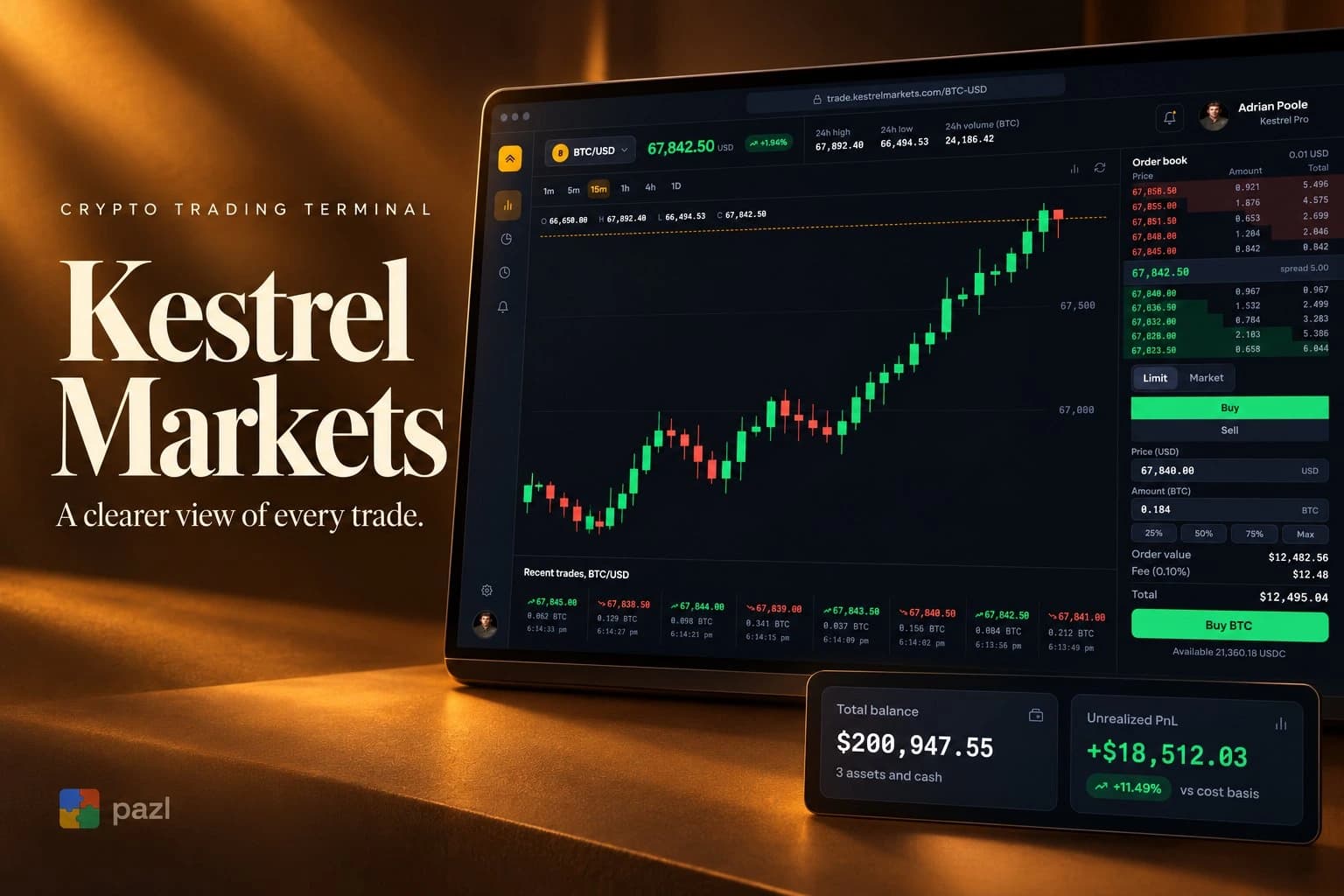
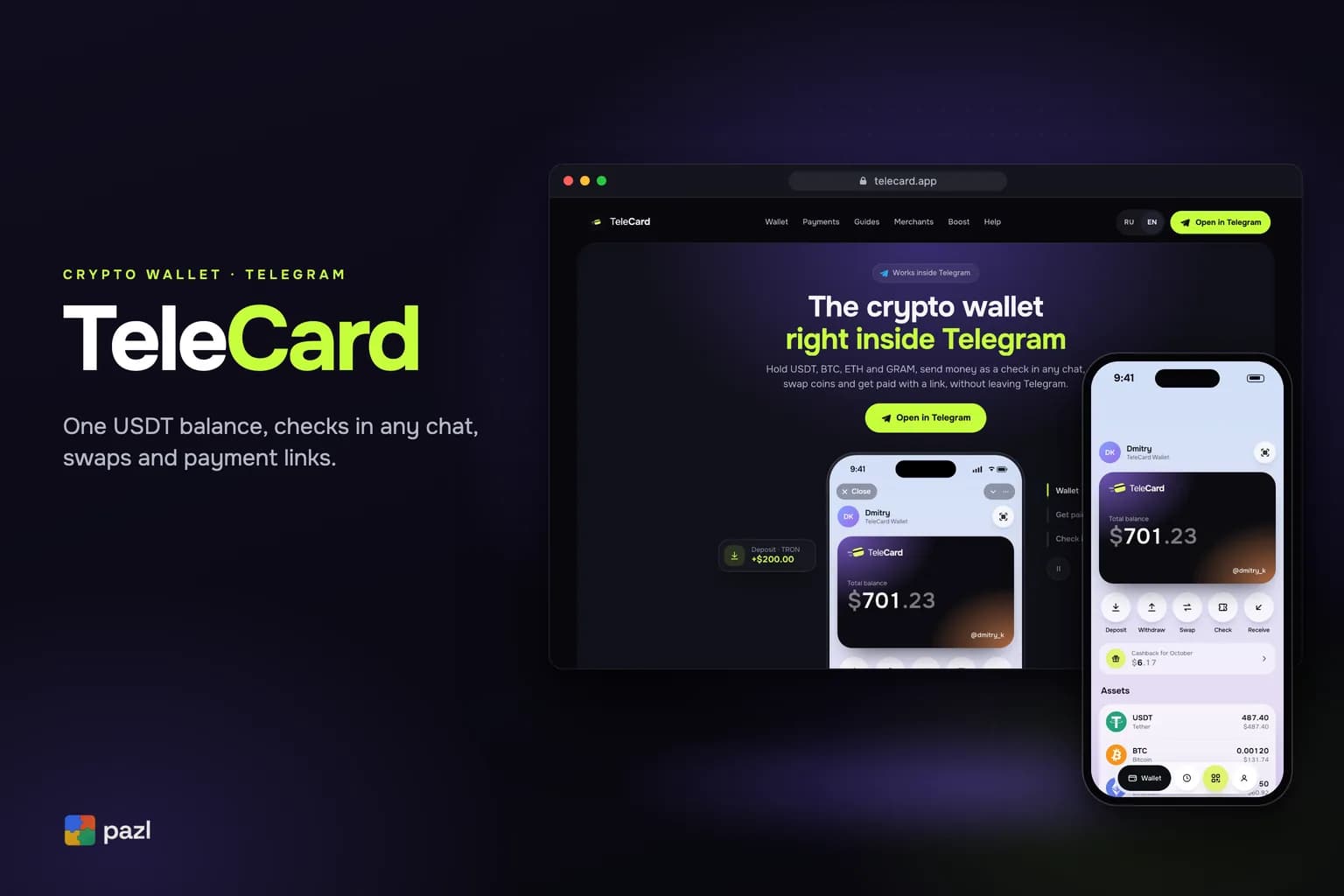
TeleCard is our own crypto wallet. We have no Web3 client project to show yet; the other projects are the same kind of work, built and shipped by the same team.

Low fees start the decision. They don’t end it.

Why brands and product teams ask about Polygon.

More
  1. 01A loyalty or NFT campaign where mainnet gas costs more than the perk.
  2. 02A pilot that worked on testnet and now needs a public chain.
  3. 03Assets on Polygon that users want to move to Ethereum.
  4. 04Unsure whether Polygon or a rollup suits the product.

Polygon because it’s cheap, or because it fits?

Polygon by defaultPazl
FeesAssumed low for everChecked against your expected volume
Security modelNot discussedIts own validators, explained to your risk owner
Moving to EthereumAn afterthoughtBridge and exit path planned from the start
Lock-inCode tied to one chainStandard Solidity, portable to other EVM chains

Weighing Polygon against rollups? See the layer 2 comparison. Going straight to mainnet? See Ethereum development.

Passes and drops: what the UK rules look at.

Polygon projects are often passes, drops and collectibles, so the first UK question is what those tokens really are.

Starting pricefrom €2,500Fixed price for the agreed Polygon build, set after the brief.
FCA · PS26/18Non-fungible in fact, not just in name
Digital assets as propertyA pass can be personal property
FCA · promotion rulesTradeable tokens: warnings and cooling-off
Details and sources

Non-fungible in fact, not just in name. The FCA’s perimeter guidance (September 2026) says a cryptoasset that is genuinely not fungible is not a qualifying cryptoasset; the “NFT” label alone doesn’t decide it, and NFTs can still be cryptoassets under the Money Laundering Regulations. We document how each collection works, for your lawyer.

Source: FCA: PS26/18 Cryptoasset Perimeter Guidance

A pass can be personal property. In England and Wales and Northern Ireland, the Property (Digital Assets etc) Act 2025, in force since 2 December 2025, confirms that digital assets can be objects of personal property rights. Pass pages say plainly what the holder gets and what the brand can change.

Source: legislation.gov.uk: Property (Digital Assets etc) Act 2025

Tradeable tokens: warnings and cooling-off. A crypto promotion must carry a prescribed risk warning; first-time investors get a 24-hour cooling-off period; refer-a-friend bonuses are banned; and firms assess appropriateness and categorise clients. A referral perk tied to a tradeable token goes to your lawyer first.

Source: FCA: new rules for marketing cryptoassets

Checked on 12 November 2026 on the regulators’ own pages. General information, not legal advice: your lawyer confirms what applies to your project.

Pick the parts, see where it starts.

Every part has its own published starting price. Tick what your product needs.

Your starting pointfrom €2,500Set by Smart contracts, the part with the highest starting price.

A floor, not a total: the fixed price for your whole scope follows the brief.

Send this scope +

In the starting price

A Polygon build that can move to another EVM chain if it has to.

from €2,500 for an agreed scope

More
  • Chain fit checked against your users and assets
  • Solidity contracts, the same code as on Ethereum
  • Tests in Foundry or Hardhat, then Polygon’s testnet
  • Wallet sign-in, plus email or passkey for new users
  • Bridge flow to Ethereum, explained on screen
  • Admin keys in a multisig, 6-month warranty

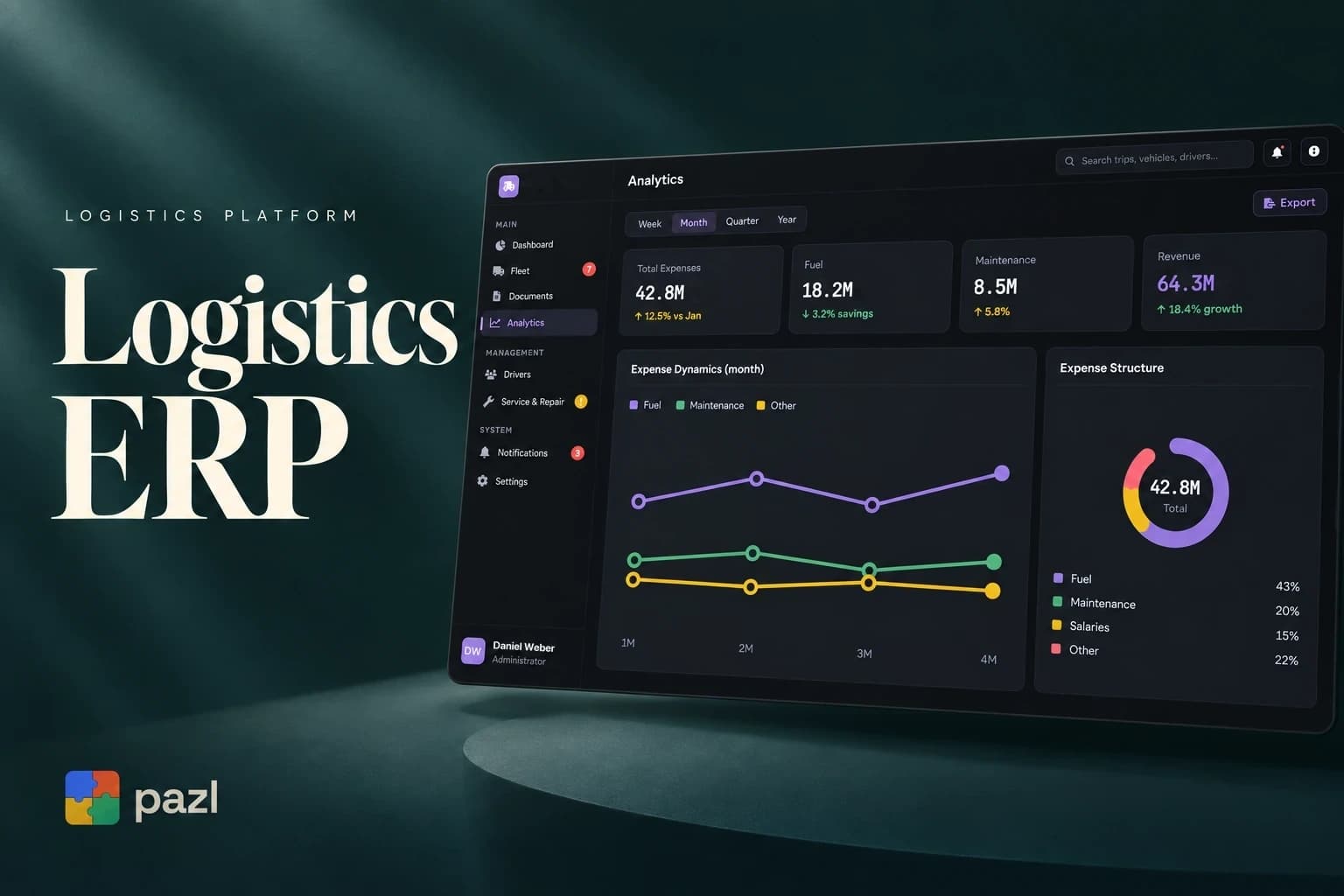
Kiln, a digital-art collecting concept, and two more. Concepts, not clients.

All cases →

Straight answers.

Is Polygon a layer 2?

Polygon PoS is an EVM chain with its own validators that checkpoints to Ethereum. It is often grouped with layer 2s, but it doesn’t lean on Ethereum’s security the way a rollup does. We explain the difference before you choose.

Can we move from Polygon to Ethereum later?

The contracts can be redeployed, since the code is the same Solidity. Moving users’ tokens is the harder part: it needs a bridge, or a migration from a snapshot, planned with you.

What is Polygon a good fit for?

Products with many small actions: loyalty passes, NFT drops, tickets, in-app items, and enterprise pilots that need a public chain with modest fees.

How much does Polygon development cost?

A first Polygon build, contracts and a simple app for one core flow, starts at €2,500; the fixed price for your scope follows the brief. Network fees go to the chain and the audit to the audit firm.

Do we need a licence for a Polygon app?

Building it needs none. If it hands out passes or collectibles, the FCA looks at whether they are genuinely non-fungible; if it markets tradeable tokens to consumers, the promotion rules apply. Your lawyer decides, and we build to it.

More
  • Ethereum development. Solidity contracts, tokens and dApps on Ethereum and its layer 2s.
  • Web3 loyalty programs. Token-gated memberships, NFT passes and perks for brands.
  • NFT marketplace development. Drops, resale, royalties and moderation in your own marketplace.
  • Asset tokenization. Platforms to issue and manage tokenized funds, bonds and credit.

From message to launch

Step 1 of 4
More
  1. Check the fit. Polygon or a rollup, by users, assets and volume.
  2. Build the contracts. Solidity with tests, portable to other EVM chains.
  3. Testnet campaign. The full flow on testnet, run by your team.
  4. Go live. Mainnet deployment from a multisig, then handover.
Anatoly Mikhailov
Anatoly MikhailovFounder of Pazl

Rather talk it through?

We build on several chains, so the choice follows your users and your team, not our habits. Tell me what you are building and we will weigh it together.

A free 30-min call with a product lead, or a fixed-price quote by email within 24h.

What do you want to run on Polygon?

Describe the users and actions; get scope and price within 24h.

Your selectionPolygon buildfrom €2,500
  • Product lead replies within 24h.
  • Fixed price in writing, before you pay.
  • No calls unless you ask.
Get a fixed quote
Project budget
Straight to a product lead. Email reply, no cold calls.