Arbitrum vs Optimism vs Base vs Polygon: which layer 2?
Short answer
Choose the layer 2 where your users already are: all four run the same Solidity code and EVM tools, so the choice rests on withdrawals, who runs the sequencer and what each ecosystem offers.
Fixed price / You own 100% of the code / 6-month warranty /
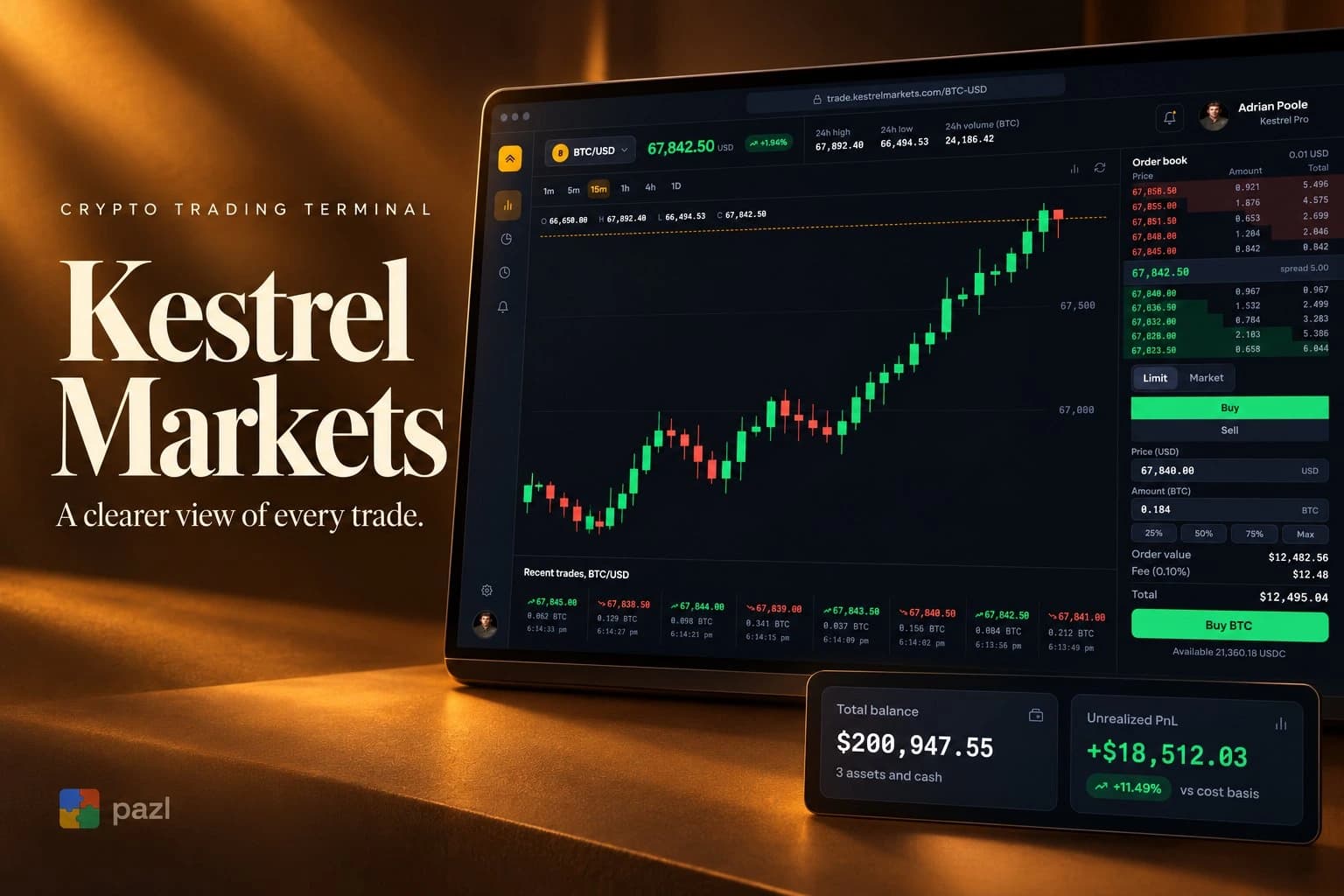
Concept Kestrel Markets: Crypto Terminal
01 Pick a layer 2
Four layer 2s, the same Solidity.
All four run the same Solidity code and EVM tools. Pick one to see how it ties to Ethereum and how withdrawals work.
ArbitrumOptimismBasePolygon PoS
Chain typeArbitrumOptimistic rollup on its own stackOptimismOptimistic rollup on the OP StackBaseOptimistic rollup on the OP StackPolygon PoSEVM chain with its own validator set
Link to EthereumArbitrumPosts its data to EthereumOptimismPosts its data to EthereumBasePosts its data to EthereumPolygon PoSIts validators checkpoint to Ethereum
Withdrawals to EthereumArbitrumWait out a challenge periodOptimismWait out a challenge periodBaseWait out a challenge periodPolygon PoSWait for a checkpoint
Code and toolsArbitrumSame Solidity, Foundry and HardhatOptimismSame Solidity, Foundry and HardhatBaseSame Solidity, Foundry and HardhatPolygon PoSSame Solidity, Foundry and Hardhat
Arbitrum / Choose it if
Your users already have funds and wallets on Arbitrum.
02 Delivered work
Real projects by the same team.
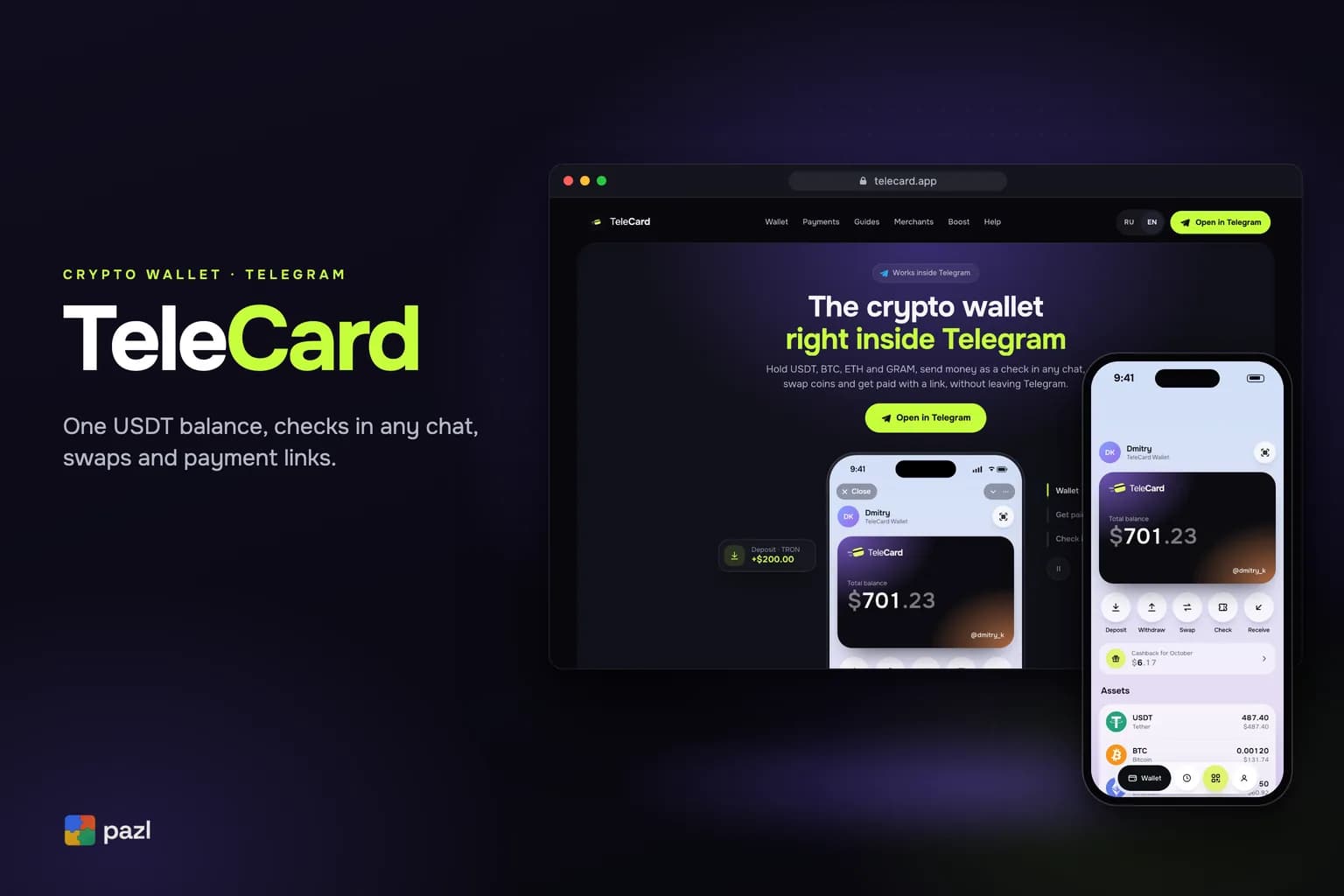
TeleCard is our own crypto wallet. We have no Web3 client project to show yet; the other projects are the same kind of work, built and shipped by the same team.
01Which layer 2 do our users already have funds on?
02How long do withdrawals to Ethereum take, and how do we explain it?
03Who can pause or upgrade the chain we build on?
04Will our contracts behave the same on every layer 2?
05 FAQ
Straight answers.
What is the difference between Arbitrum, Optimism and Base?+
All three are optimistic rollups that post their data to Ethereum. Optimism and Base share the OP Stack; Arbitrum has its own. For most contracts the code is the same; the ecosystems, bridges and governance differ.
Is Polygon a layer 2 like the others?+
Polygon PoS is an EVM chain whose own validator set checkpoints to Ethereum, so its security model differs from a rollup’s. For many consumer apps that trade-off is acceptable; we spell it out before you choose.
Can we deploy on several layer 2s at once?+
Yes. The same Solidity usually deploys to all four, but each deployment needs its own addresses, admin keys, indexing and monitoring, and tokens moving between them need a bridge. We start with one unless your users are split.
How much does a layer 2 build cost?+
A first build on one layer 2, contracts with tests and a testnet deployment, starts at €2,500; the fixed price for your scope follows the brief. Each extra chain is priced as added scope.
Do we need a licence because we use a layer 2?+
Not because of the chain. The FCA says developing software is not a regulated activity as such; what your product does for users is what counts. Your lawyer maps it, and we build to it.
06 In the UK
The UK rules follow your product onto any layer 2.
The layer 2 changes fees and tooling; the UK questions stay with what your product does and who runs it.
Starting pricefrom €2,500Fixed price for the agreed build, set after the brief.
FCA · PS26/18Developers are not the operatorTravel RuleTransfer data travels on every chainFCA · new regimeNew regime expected from 25 October 2027
Details and sources
Developers are not the operator. The FCA’s perimeter guidance (September 2026) says developing software is not a regulated activity as such; authorisation typically falls on those who provide access to or use of the software. Moving to another layer 2 doesn’t move that responsibility.
Transfer data travels on every chain. Under the Travel Rule, in force since 1 September 2023, UK cryptoasset businesses collect, verify and share originator and beneficiary information on crypto transfers. If your service moves funds for users, the transfer flow carries those fields on whichever chain it runs.
New regime expected from 25 October 2027. The new UK cryptoasset regime is expected to come into force on 25 October 2027, and firms carrying on its new regulated activities need FCA authorisation under FSMA. Plan the release with your lawyer around that date.
 pazlWEB3←Main site