
What is e-invoicing?
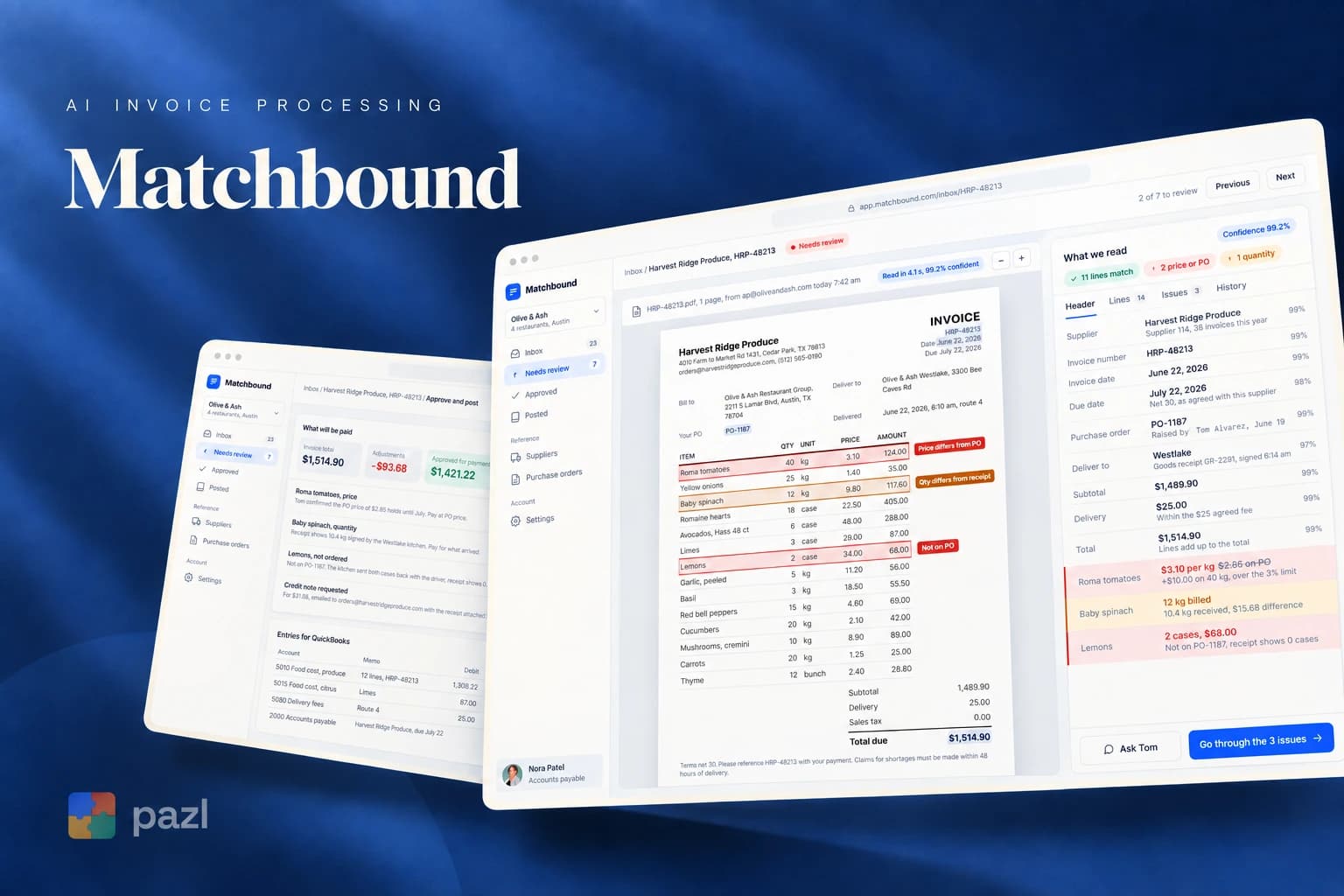
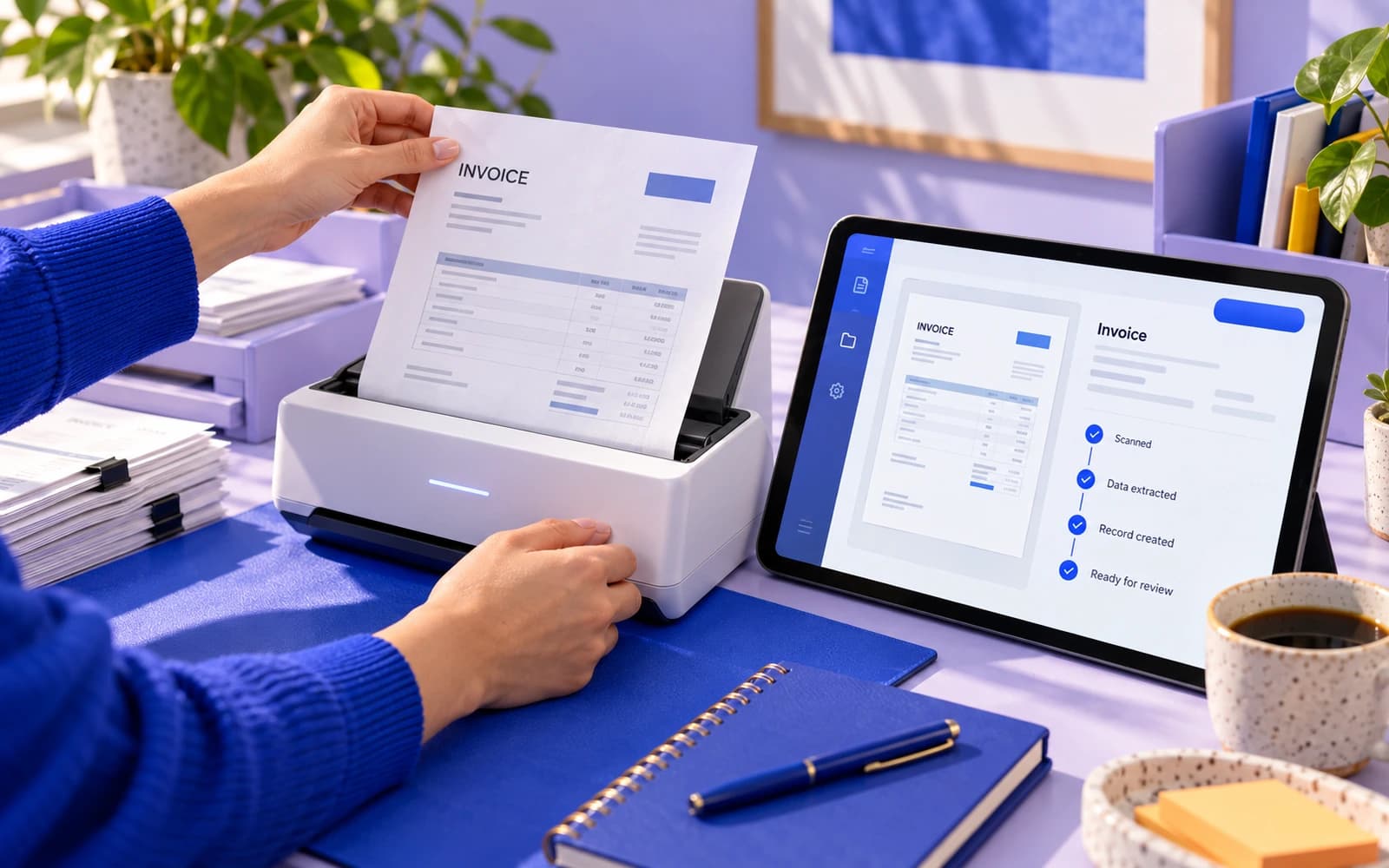
E-invoicing is the exchange of invoices as structured electronic data, such as XML, that the buyer’s system can read and process automatically, rather than as paper or a PDF.
Also calledelectronic invoicinge-invoice
Why it matters for a business
E-invoicing is becoming mandatory between businesses in Germany, France, Spain and the UK, so invoicing software built now should hold invoice data in fields, not only in a PDF layout.
More
In Europe, the data model is set by the standard EN 16931.
In the UK, VAT invoices between businesses and to the public sector must be e-invoices from 1 April 2029, exchanged over Peppol.
PDF is not enough
A PDF sent by email is an electronic invoice for a person, but not an e-invoice a system can process.
Formats and networks
Formats include XRechnung, ZUGFeRD and Factur-X; Peppol is a network that delivers them, including in the UK from 2029.
The UK today
Making Tax Digital already requires digital VAT records and digital links between programs; e-invoices come on top from 2029.
- 1 April 2029UK: VAT invoices to businesses and the public sector become e-invoices, over Peppol
Still ahead
What it costs
Starting prices of our services on this topic, in your currency.
E-invoicing in practice
Sending invoices as structured data that the buyer’s software can read, not as a PDF or on paper.
Example
- A packaging manufacturer in Coventry sells to customers in the UK, Germany and France.
- Its order system stores every invoice line as data, then produces ZUGFeRD invoices for German buyers and Factur-X for French ones, and its UK invoices are ready for Peppol.
- The finance team no longer retypes anything into Sage.
Which term is it?
The German e-invoice standard in pure XML, required for invoices to German federal public bodies.

From the founder
Rules like this change how the software has to work, not only the paperwork. We build them in from the start, so you do not rebuild later.
Anatoly MikhailovFounder of Pazl