
What is a dApp?
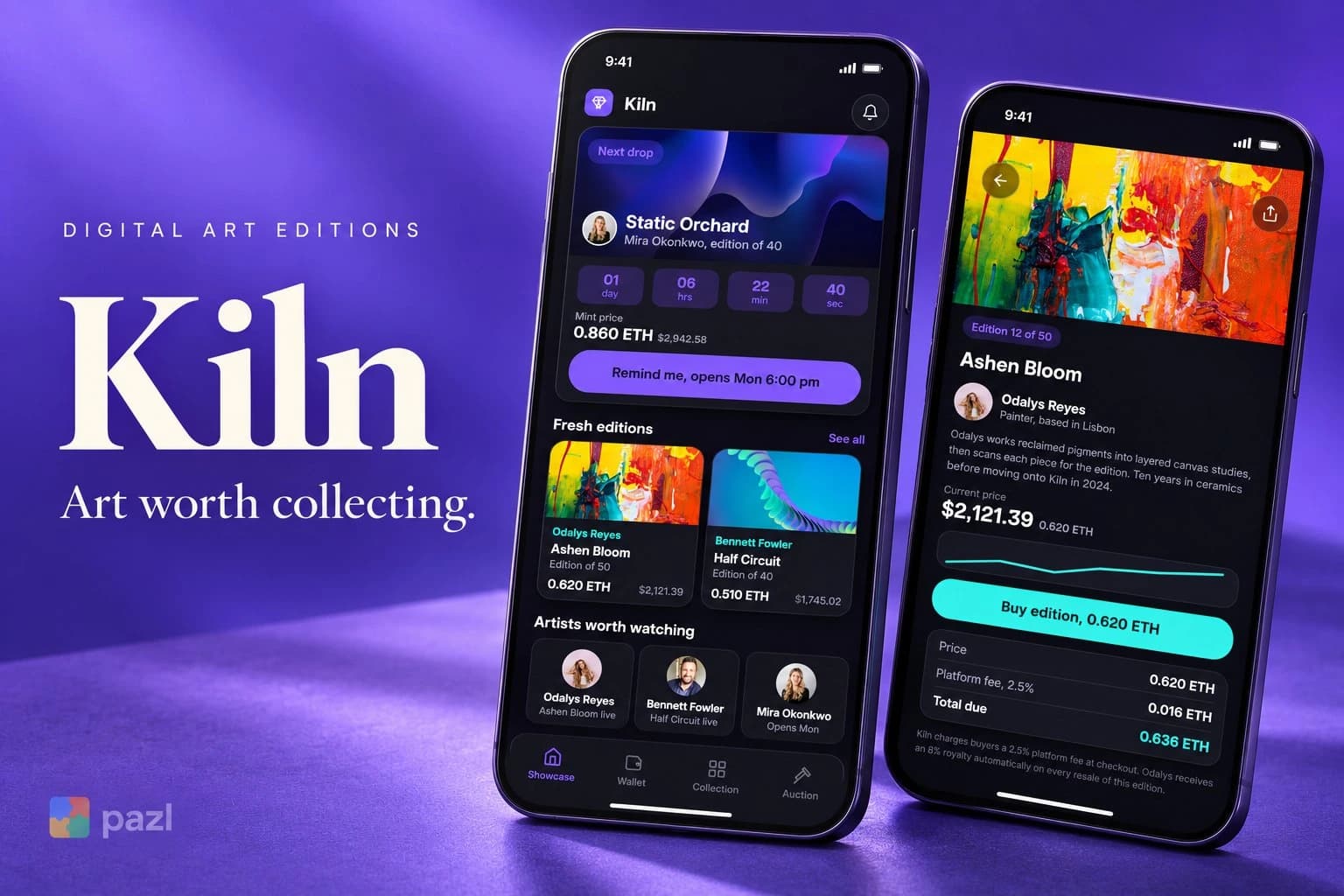
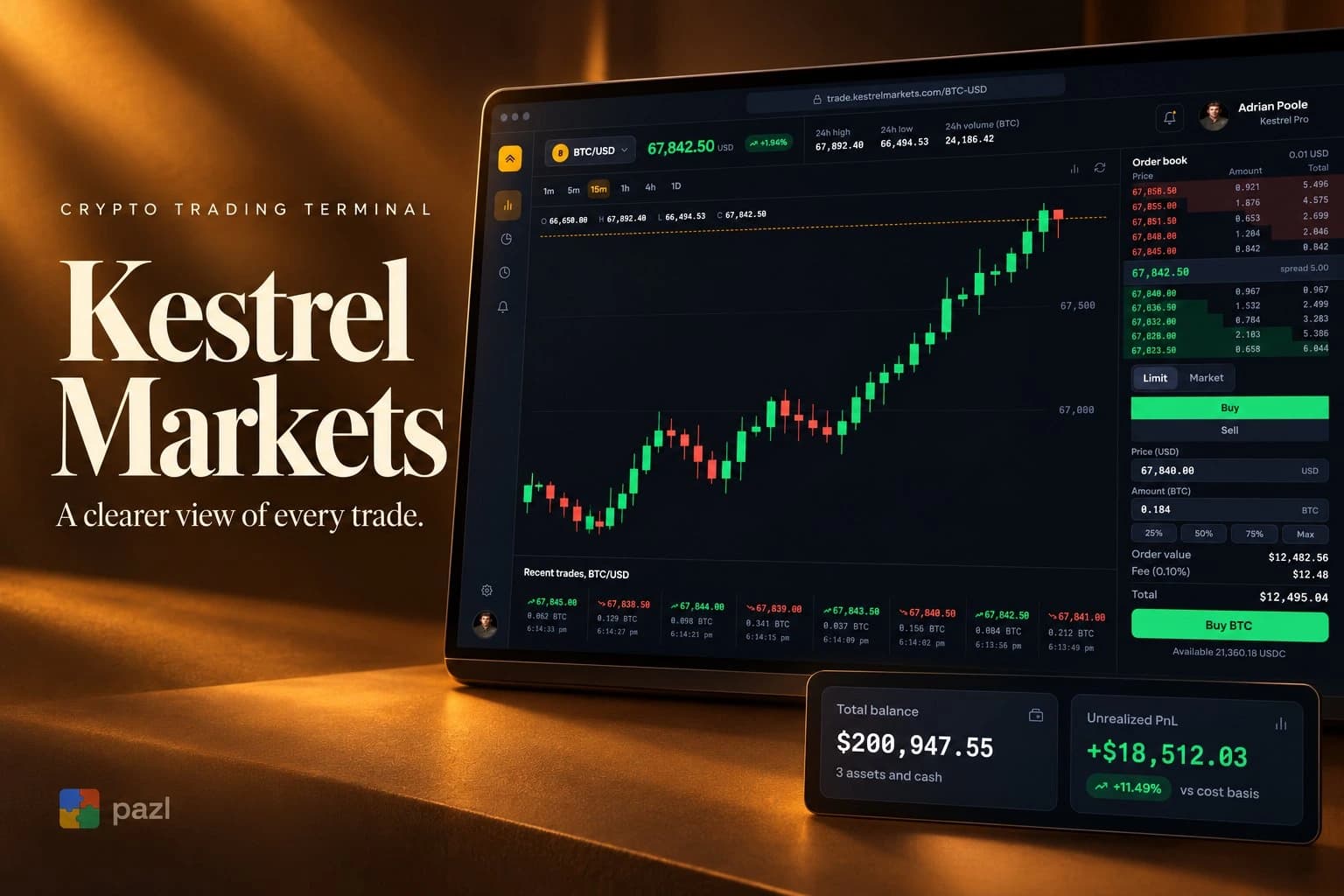
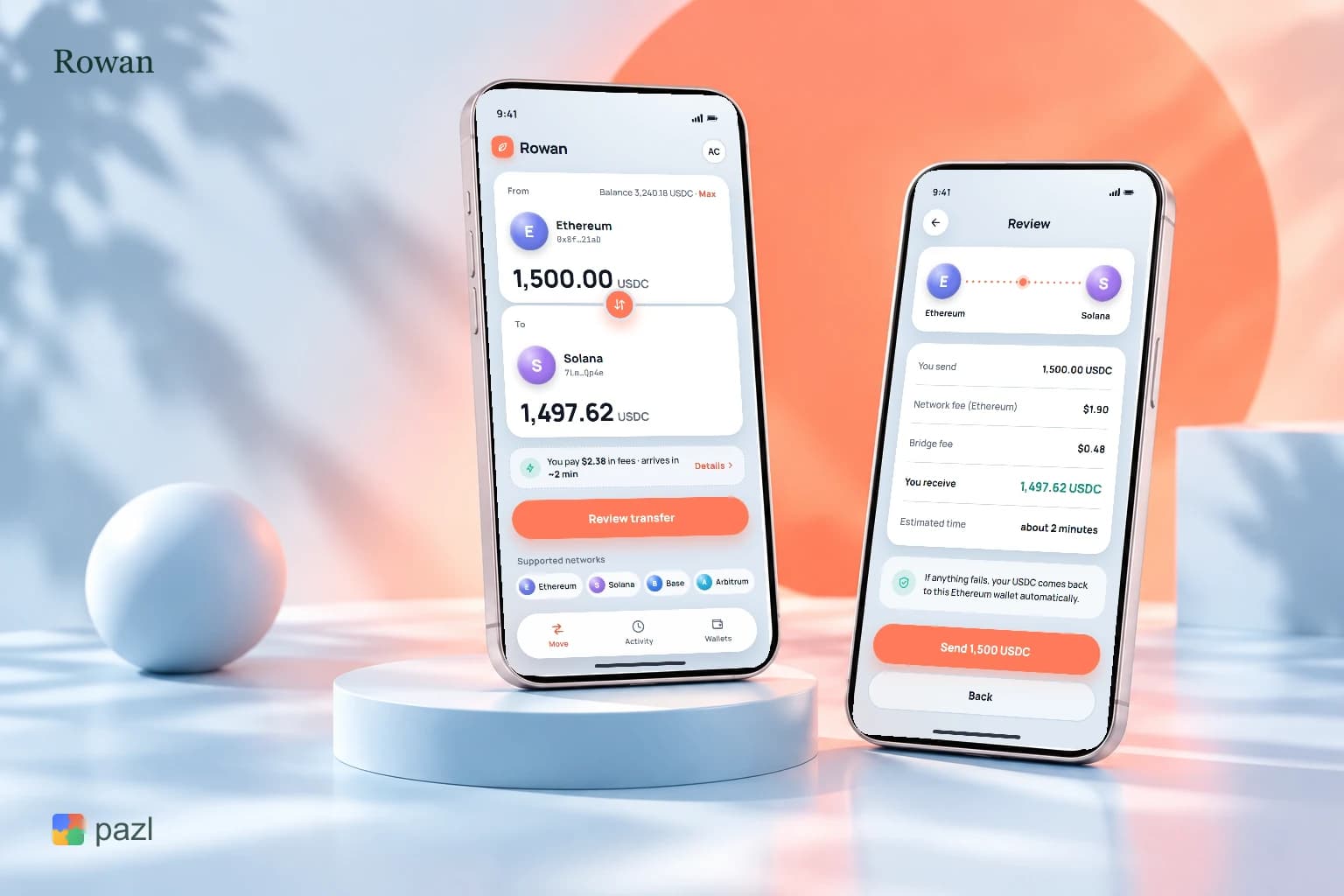
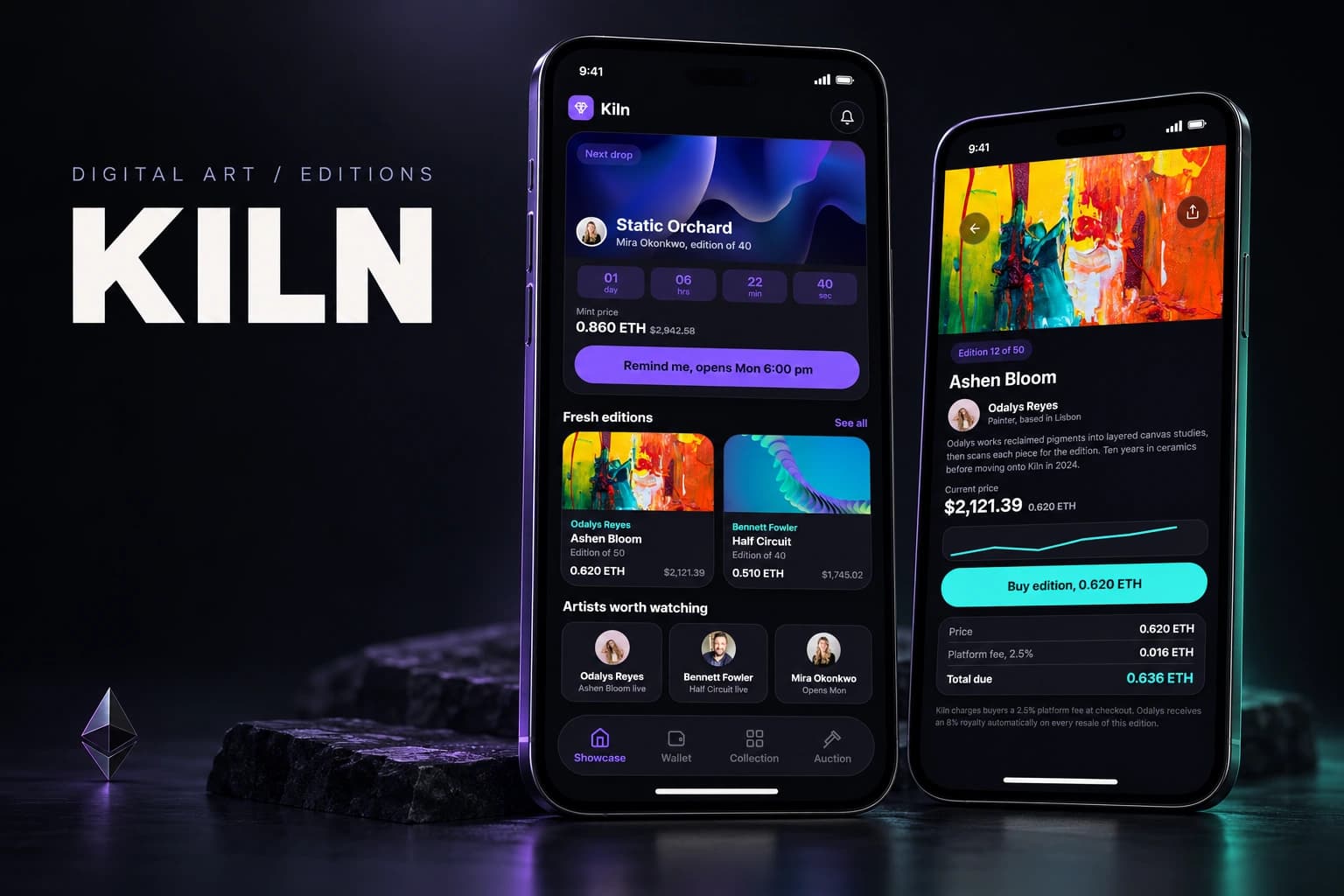
A dApp (decentralised application) is an app whose core logic runs in smart contracts on a blockchain, used through a normal front end and a crypto wallet.
Also calleddecentralised applicationdecentralized application
Why it matters for a business
A dApp makes sense when users must be able to check the rules or keep control of their assets without trusting your company.
More
Exchanges, lending services and NFT marketplaces are common examples.
Most of the work is still ordinary: front end, indexing, notifications and support. Decide early which parts must be on-chain, because each on-chain action costs a fee and is hard to change.
Three layers
Smart contracts on-chain, an indexer that reads chain data quickly, and a web or mobile interface.
Wallet sign-in
Users connect a wallet instead of a password and sign each transaction themselves.
dApp vs normal app
A normal app’s owner can change data at will; a dApp’s on-chain records follow the contract rules for everyone.
- dAppAppWhere people click
- WalletHolds the keys and signs
- Smart contractRules that run as code
- BlockchainRecords every transaction
Token
What it costs
Starting prices of our services on this topic, in your currency.

dApp in practice
An app whose core logic runs in smart contracts on a blockchain, used through a crypto wallet.
Example
- A fintech start-up in Edinburgh builds a dApp for invoice financing: companies post invoices as tokens and investors fund them from their wallets.
- Repayments flow back through the smart contract, and every step is visible on-chain.
- The front end looks like any web app, with sign-in by wallet or email.
Which term is it?
An app or device that holds the keys to your crypto and lets you send, receive and sign transactions.


From the founder
In Web3 I care about products people can actually use: clear wallets, tested smart contracts, costs you can see. Scope and price are agreed up front, as for everything we build.
Anatoly MikhailovFounder of Pazl