
What is RPA?
RPA (robotic process automation) is software that mimics a person working on screen, clicking, typing and copying data between applications, to automate repetitive, rule-based tasks.
Also calledrobotic process automation
Why it matters for a business
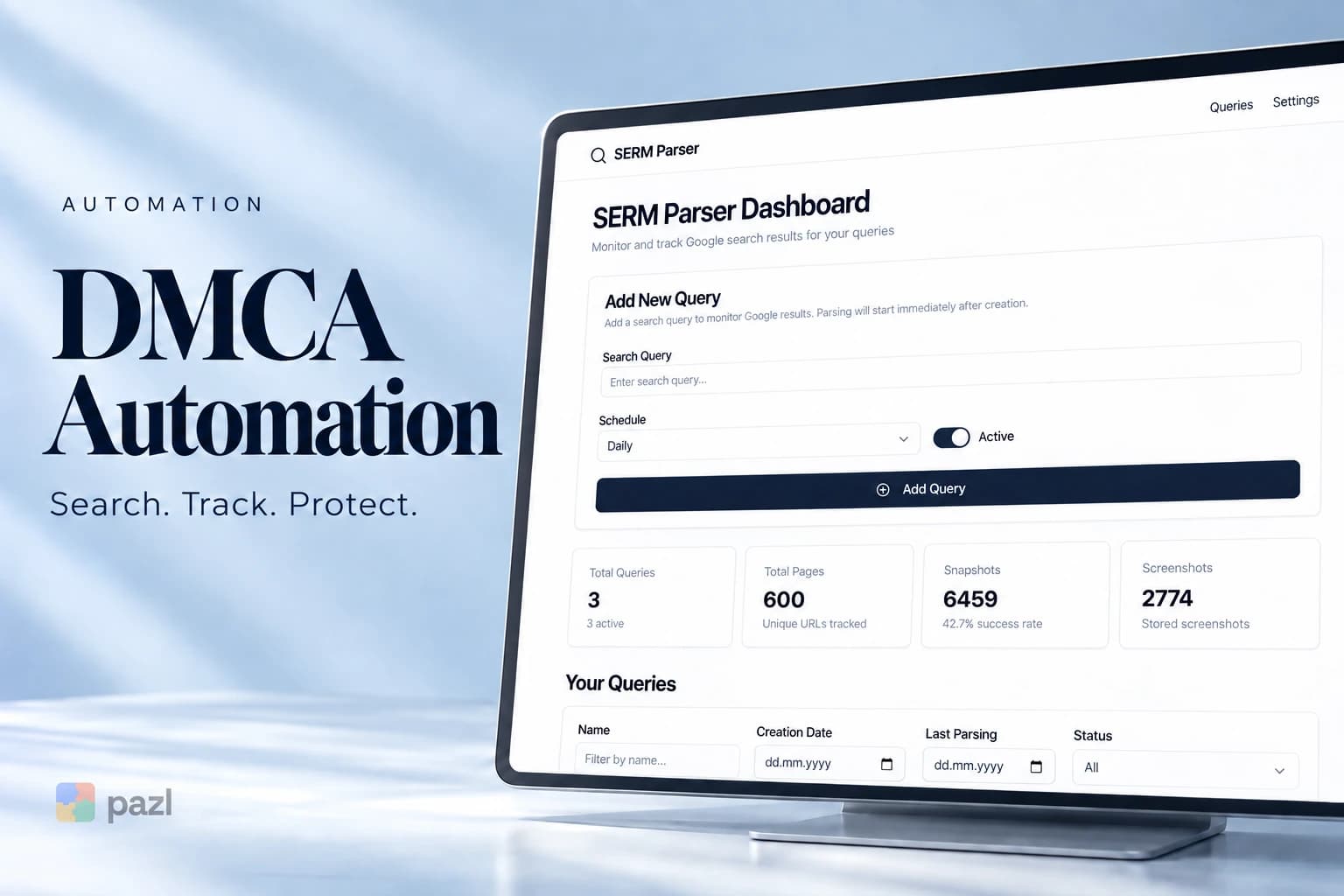
RPA can automate work in old systems that offer no API, without changing them.
More
It is mostly used where a system has no API to connect to.
The catch is fragility: when a screen layout changes, the robot can break. If the systems involved have APIs, an integration is usually more stable and cheaper to maintain over time.
How it works
A bot is recorded or scripted with the steps a person takes, then repeats them on a schedule or trigger.
RPA vs API integration
An integration talks to the system directly; RPA works through the user interface, so it is slower and more fragile.
RPA and AI
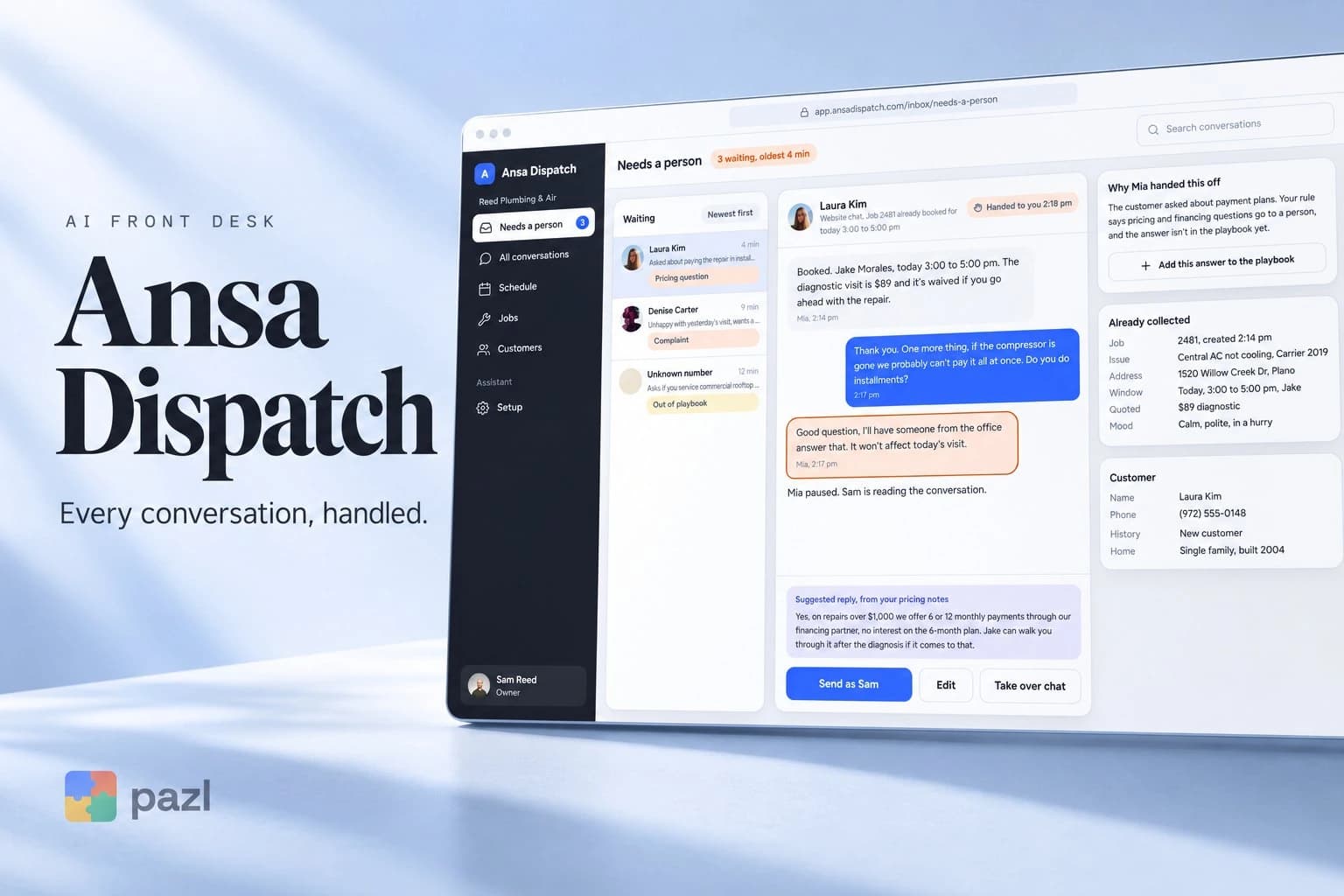
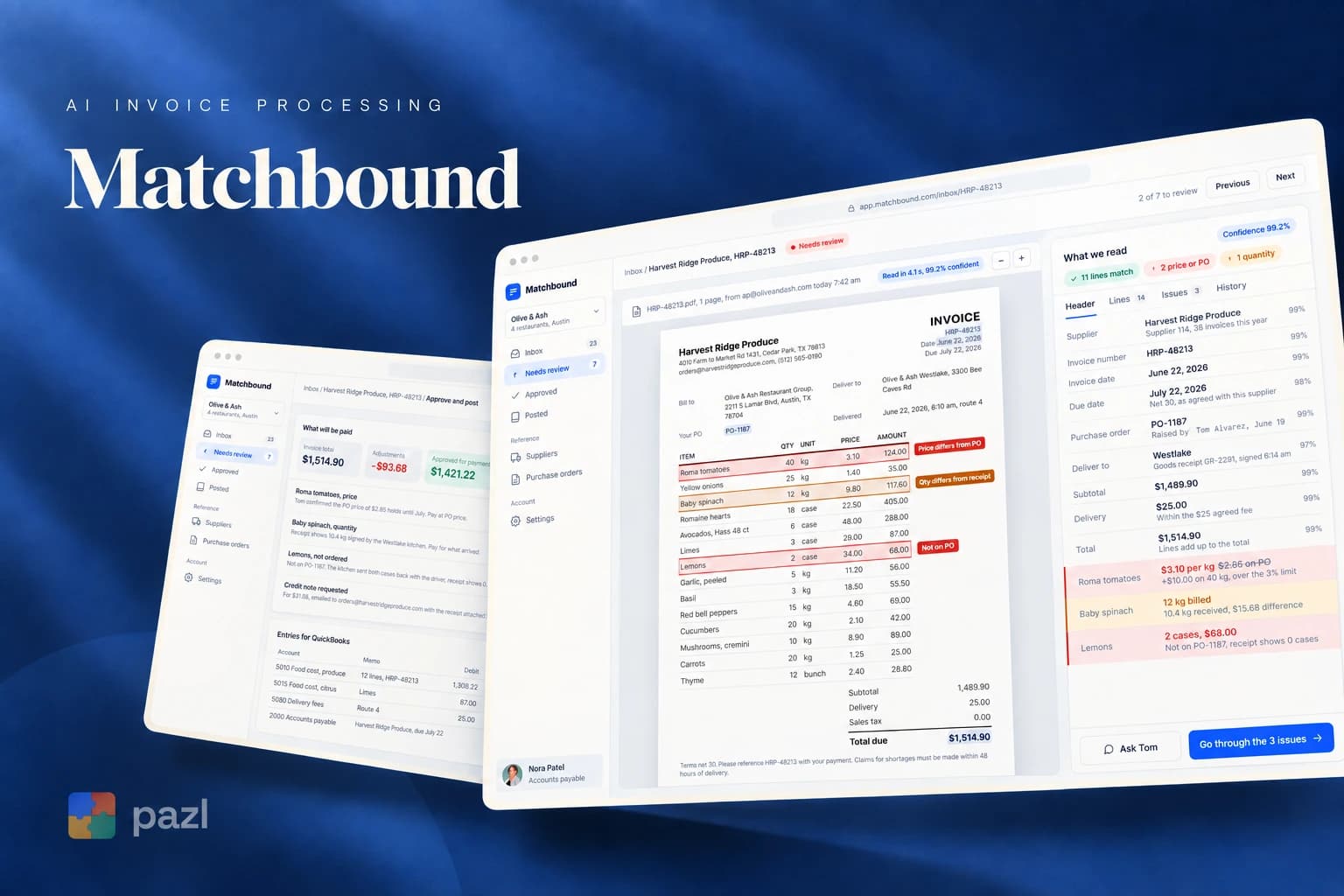
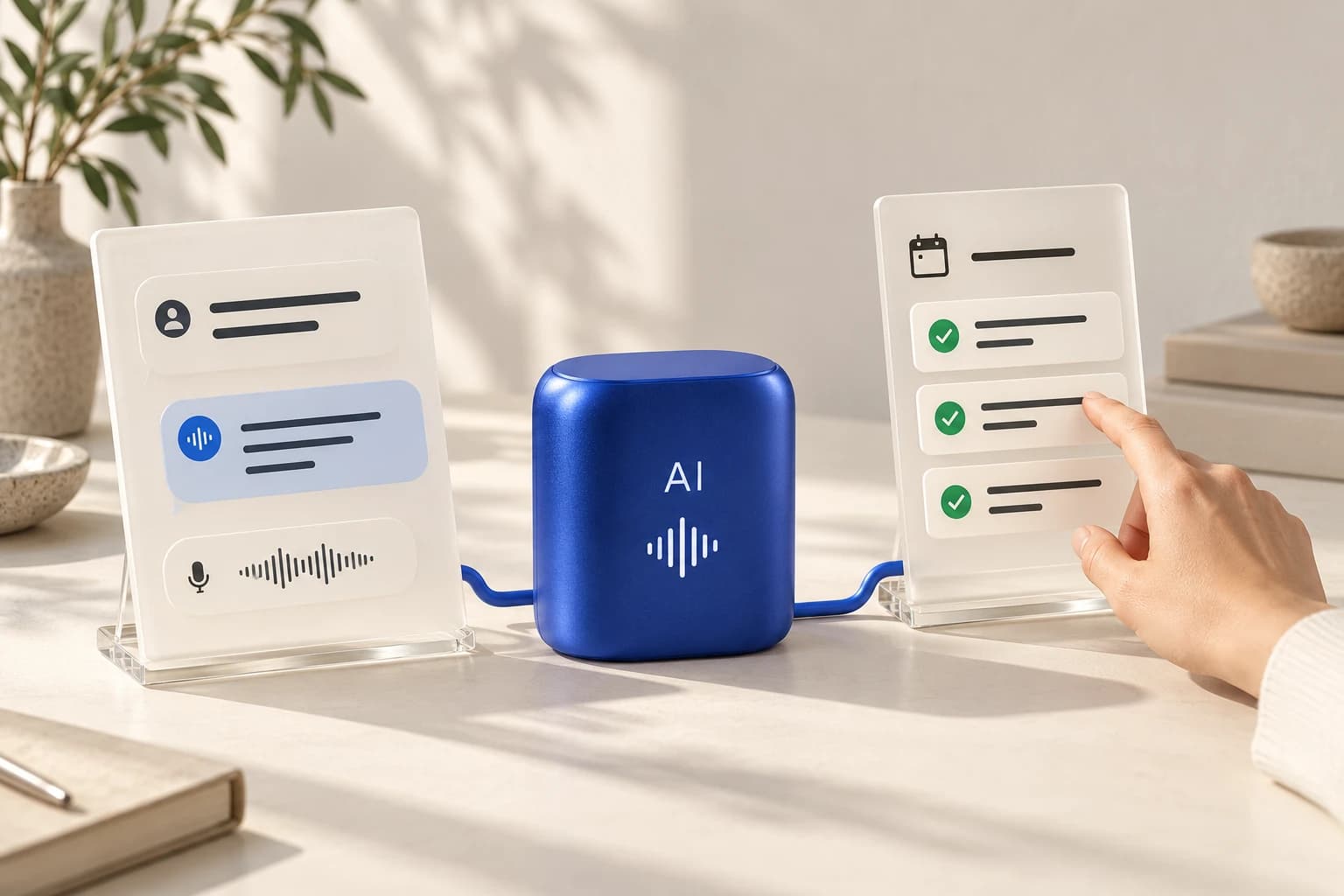
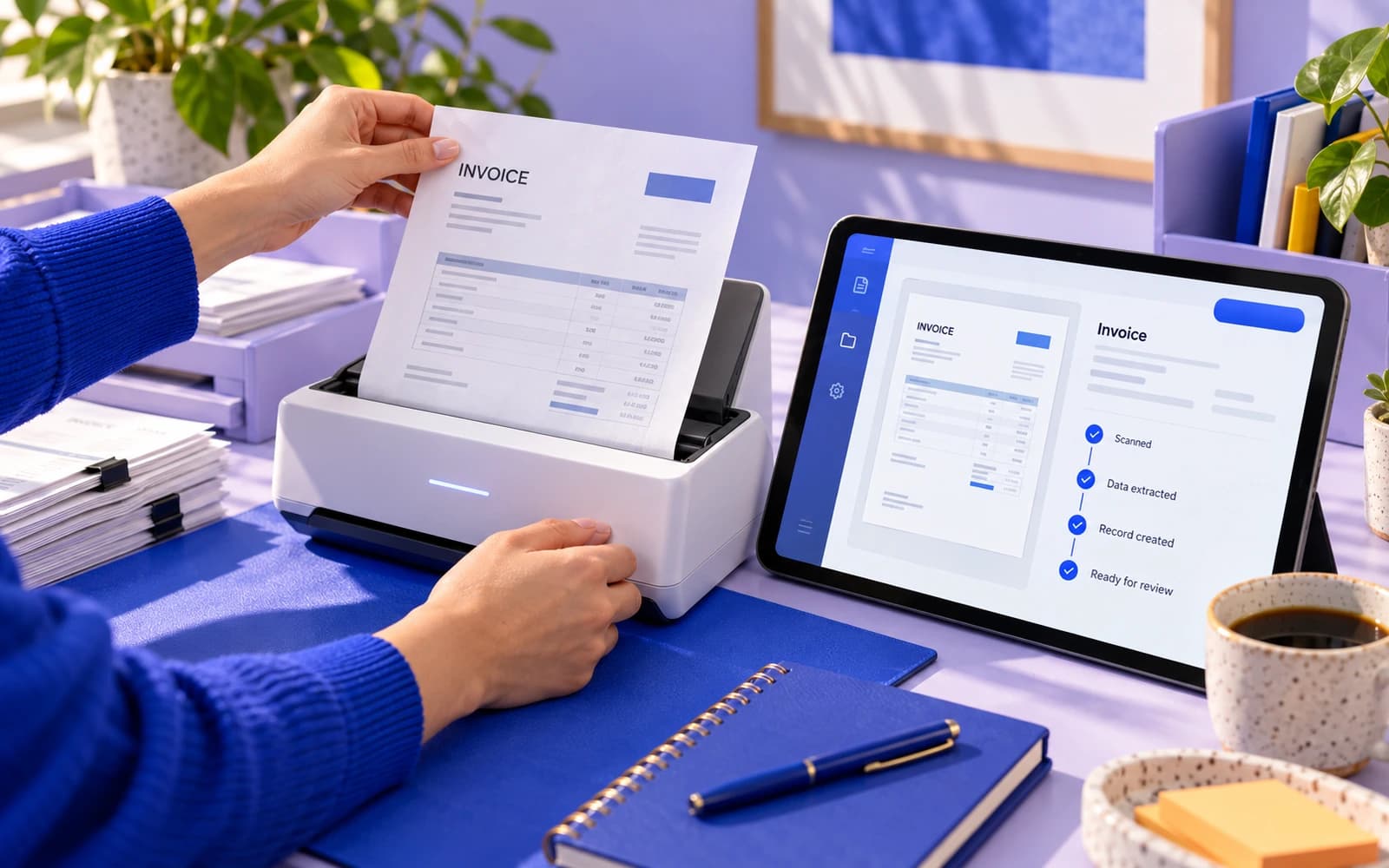
Combined with OCR or a language model, a bot can read invoices or emails before it types the data in.
- InputA question, a message, a document
- ContextYour data, found by search
- Language modelReads, reasons and writes
- RPAResultAn answer, or an action in your tools
What it costs
Starting prices of our services on this topic, in your currency.
RPA in practice
Software robots that copy a person’s clicks and typing to run repetitive tasks in existing applications.
Example
- A housing association in Liverpool has to enter repair jobs from its call system into an old maintenance system with no API.
- An RPA bot reads each new job, opens the maintenance system, fills in the form and saves the reference back.
- Staff only check the jobs the bot flags as incomplete.
Which term is it?
Software that uses a language model to plan the steps of a task and carry them out in your tools.



From the founder
I want AI that does a real job inside your tools, with a person checking what matters. We test it on your own data before you rely on it.
Anatoly MikhailovFounder of Pazl