
What is a webhook?
A webhook is an automatic HTTP message that one system sends to another system’s URL the moment an event happens.

Why it matters for a business
Webhooks make integrations fast and light: your systems react within seconds instead of checking every few minutes.
More
A payment, a new order or a form submission can trigger one, so the receiver does not have to keep asking for news.
They are also how payment providers confirm a payment, so a missed webhook can leave a paid order unshipped. You need logging, retries and a signature check on every webhook you accept.
Webhook vs API
With an API you ask for data; with a webhook the other system tells you when something changes.
Webhook URL
The receiving system publishes an endpoint URL, and the sender posts the event data there, usually as JSON.
Security
Check the signature on each webhook and handle duplicates, because senders retry when you do not answer.
What it costs
Starting prices of our services on this topic, in your currency.

Webhook in practice
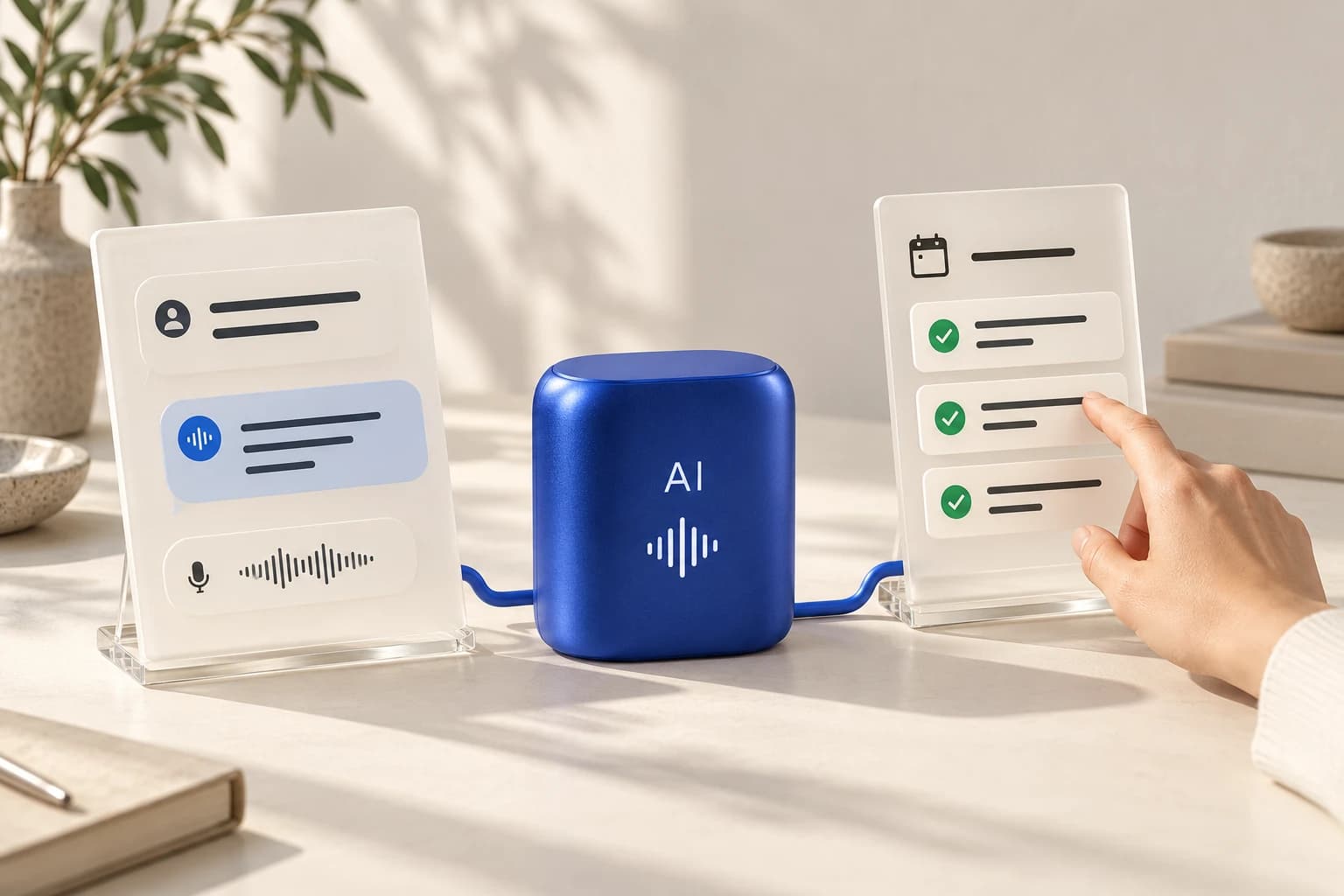
An automatic message one system sends to another the moment something happens.
Example
- A yoga studio in Bath takes payments through Stripe.
- When a payment succeeds, Stripe sends a webhook to the studio’s booking system, which confirms the place and emails the receipt.
- A webhook node in n8n also posts each booking to the team’s chat.
Which term is it?
A style of web API where data lives at URLs and is read or changed with standard HTTP methods.

From the founder
Often nothing is missing except a connection: two systems that should share data and do not. We map what moves where, then agree scope and price up front.
Anatoly MikhailovFounder of Pazl