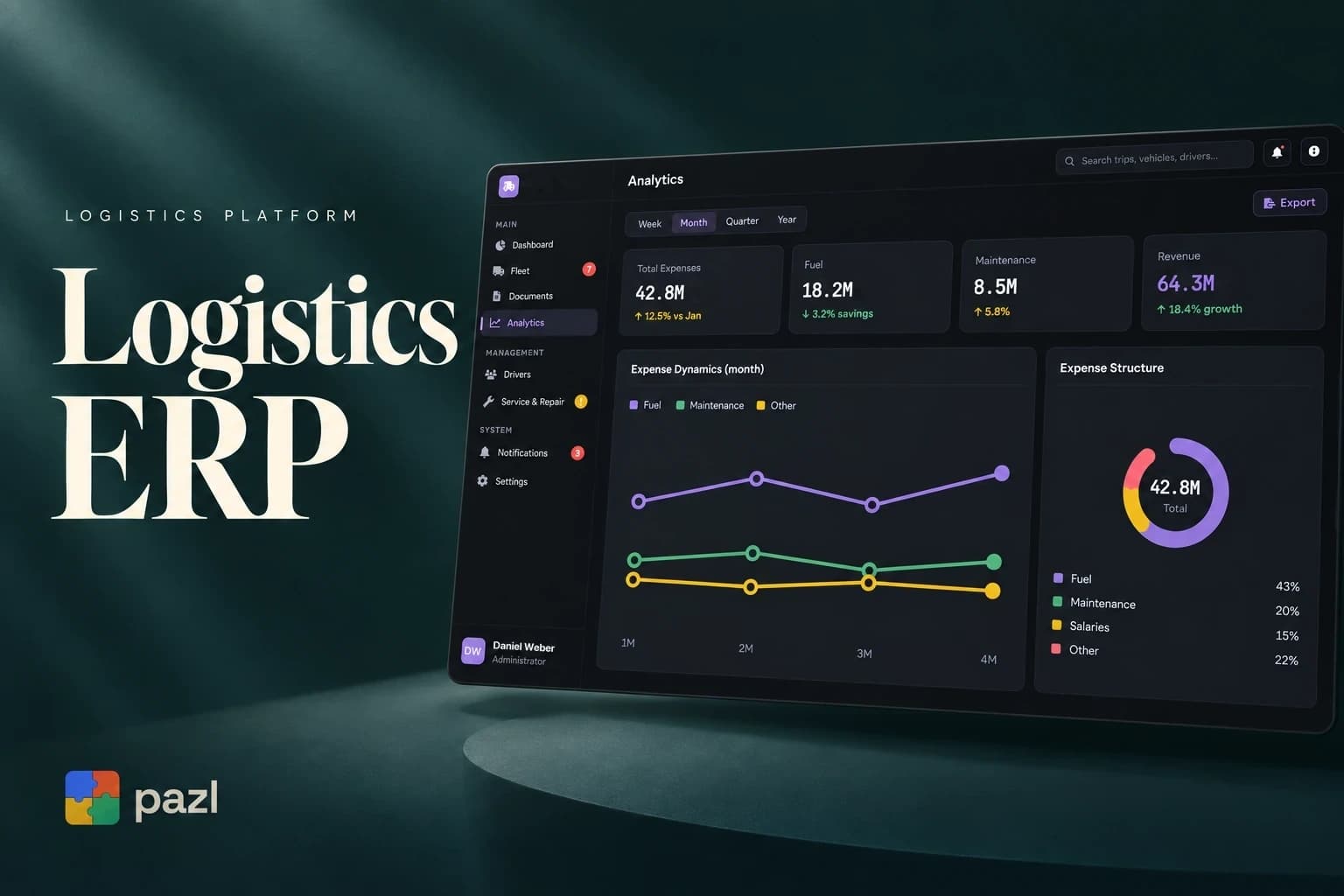
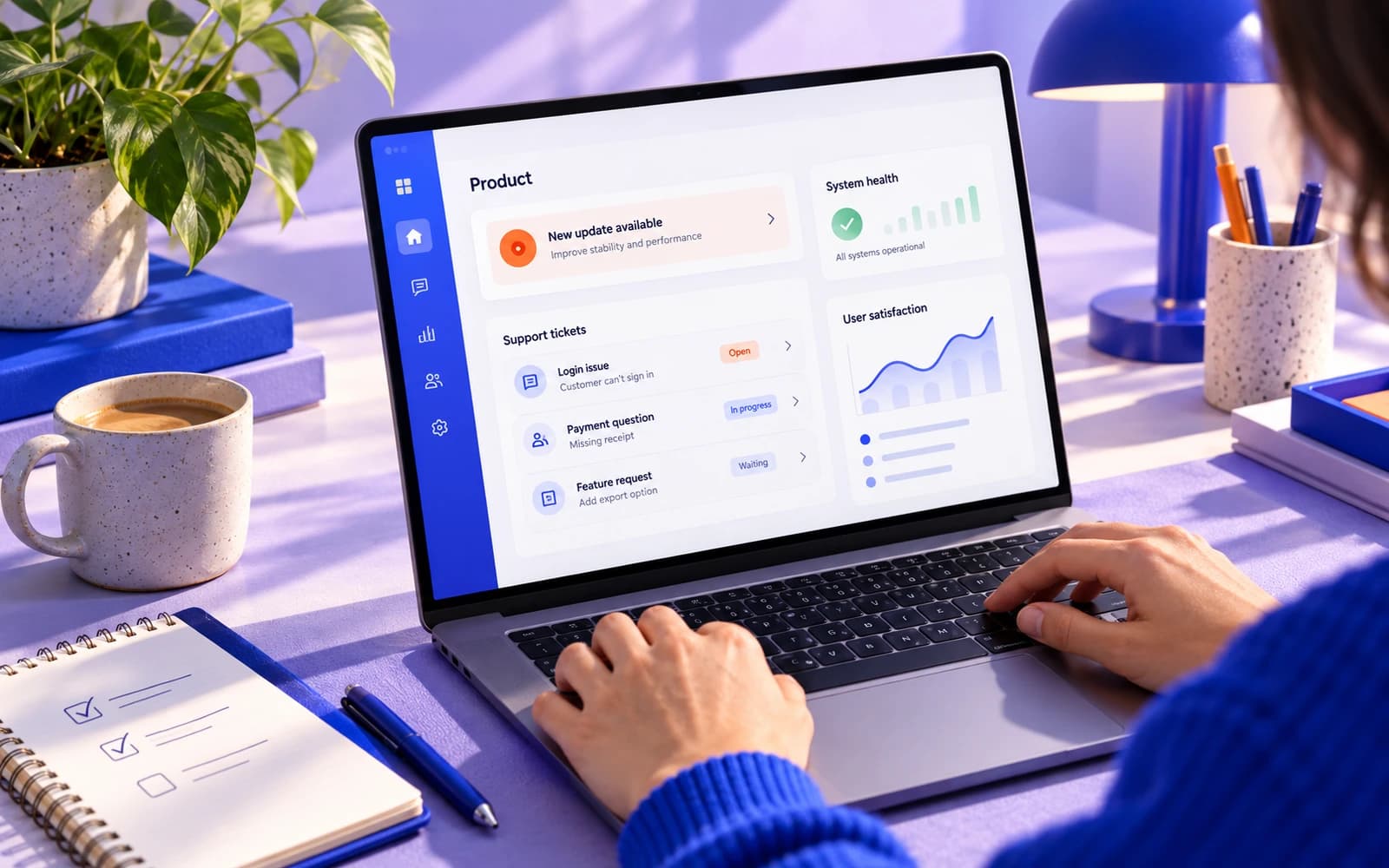
Software to issue, register and manage tokenized funds, bonds, private credit and commodities: investor onboarding, permissioned tokens, cap table, distributions and reports.
from £2,100
Permissioned tokens (ERC-3643)
KYC through your provider
For licensed operators
Fixed price / You own 100% of the code / 6-month warranty
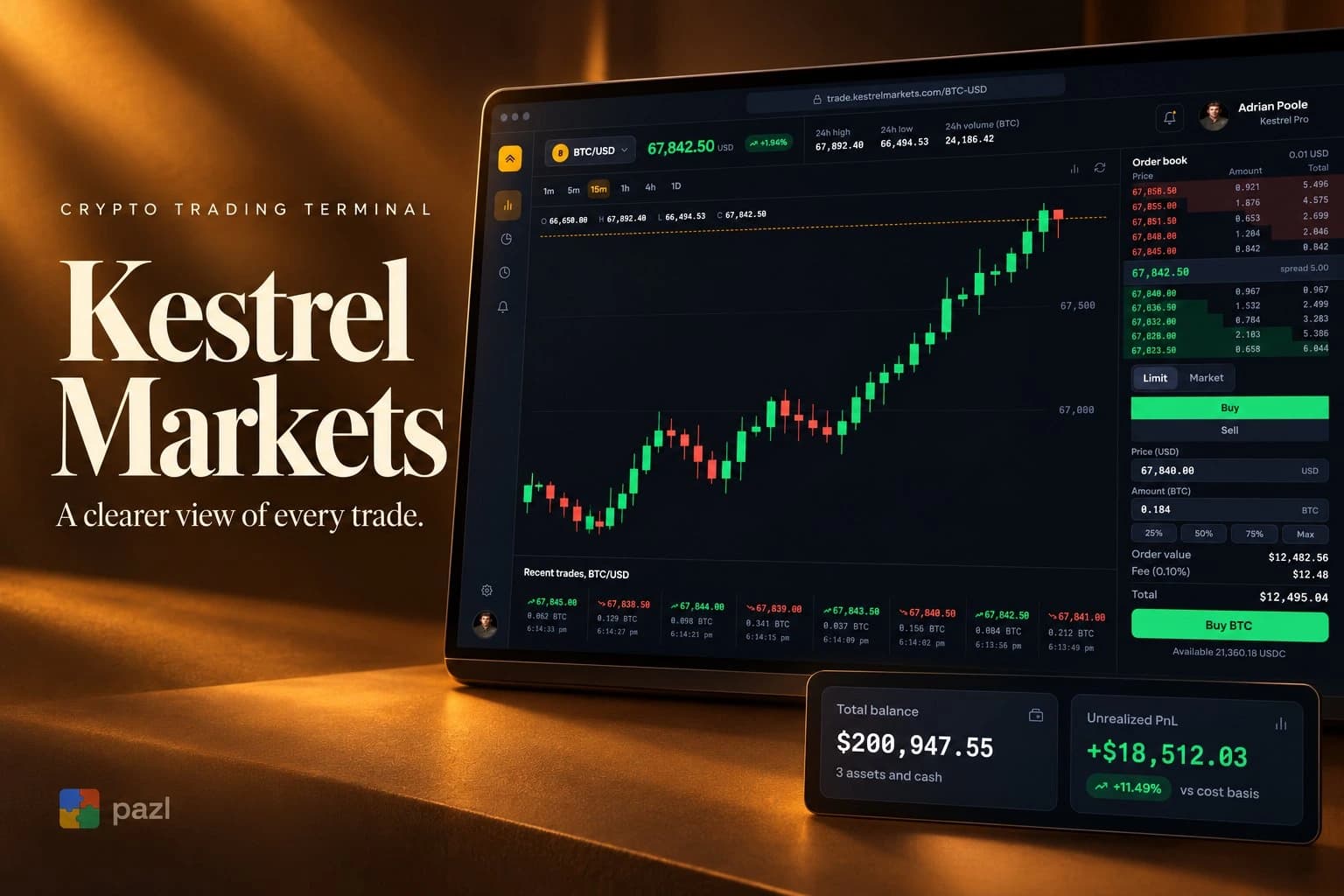
Concept Kestrel Markets: Crypto Terminal
01 How it fits together
Five layers, one product.
Every Web3 product is the same chain of parts. Tap a layer to see what it does; the bright ones are what this page builds.
02 / 05Smart contract
The rules: who can mint, pay, vote or withdraw, enforced on-chain.
We build Connected
02 Delivered work
Real projects by the same team.
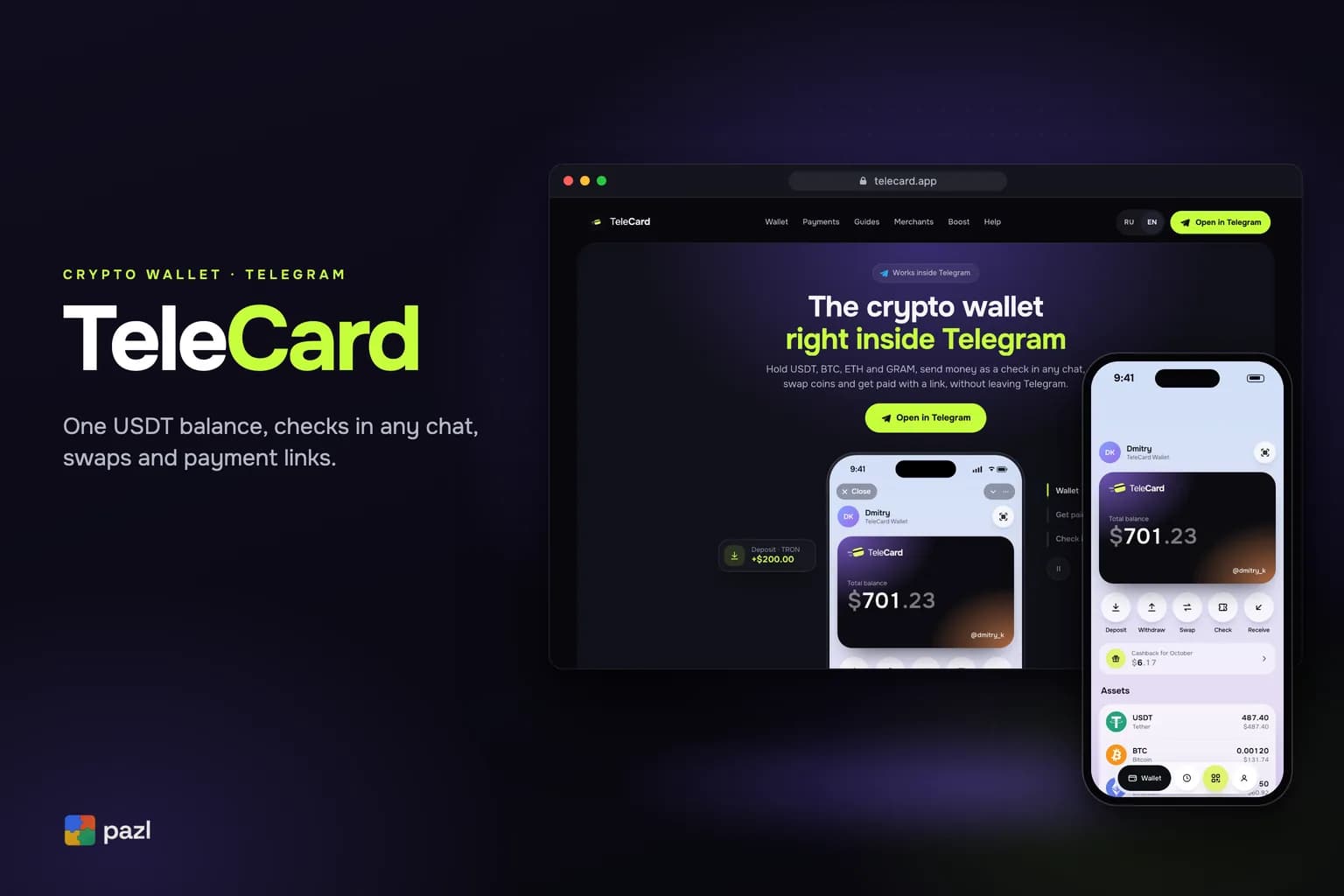
TeleCard is our own crypto wallet. We have no Web3 client project to show yet; the other projects are the same kind of work, built and shipped by the same team.
02A cap table in a spreadsheet and tokens on a chain, never in step.
03Transfers that ignore who is allowed to hold.
04Investor reports rebuilt by hand every period.
04 What we build
The parts of a tokenization platform.
01Issuance
02Investor portal
03Registry
04Distributions
More
Issuance. Set up an asset, its terms and its token, then issue.
Investor portal. Onboarding, holdings, documents and statements.
Registry. The cap table on-chain and off, kept in step.
Distributions. Coupons, payouts and corporate actions as a workflow.
05 In the UK
UK law is making room for tokenized assets.
Property rights, a sandbox for digital securities and a new crypto regime each shape how the platform is built.
Starting pricefrom £2,100Fixed price for one asset type, set after the brief.
Bank of England · FCAA sandbox for digital securitiesDigital assets as propertyHoldings the law recognisesSI 2026/102Safeguarding and dealing become regulated
Details and sources
A sandbox for digital securities. The Bank of England and the FCA run the Digital Securities Sandbox for issuing, trading and settling securities using new technology such as distributed ledgers. It is due to run until 8 January 2029.
Holdings the law recognises. The Property (Digital Assets etc) Act 2025, in force since 2 December 2025, confirms that digital assets can be objects of personal property rights in England and Wales and Northern Ireland. The registry shows who held what, and when.
Safeguarding and dealing become regulated. Among the activities the Cryptoassets Regulations 2026 regulate in full from 25 October 2027 are safeguarding cryptoassets, operating a trading platform, dealing as principal or agent and arranging deals. Decide which licensed firm performs each role before the platform goes live.
Funds, bonds, private credit and commodities; real estate has its own page. The token and registry follow the legal structure your lawyers choose.
How do transfer rules work?+
A permissioned token, for example ERC-3643, checks each transfer: the receiver must be a verified holder and within any limits you set. A transfer outside those rules fails.
Do you do the KYC?+
No. We integrate the KYC and AML provider you choose, and its result decides who can hold. We never hold investors’ money or tokens.
How much does an asset tokenization platform cost?+
A first platform for one asset type starts at £2,100; the fixed price for your scope follows the brief.
Who holds the licence?+
You, or the licensed entity you work with. We design and build the software, hold no licence and give no financial or legal advice; we build to the requirements your lawyer and compliance team set.
Anatoly MikhailovFounder of Pazl
15 From the founder
Rather talk it through?
Web3 is software first. I want every contract, wallet and screen to be clear to your users, your auditor and your lawyer, with the price agreed before any code.
A free 30-min call with a product lead, or a fixed-price quote by email within 24h.
 pazlWEB3←Main site