How much does it cost to build an NFT marketplace?
Short answer
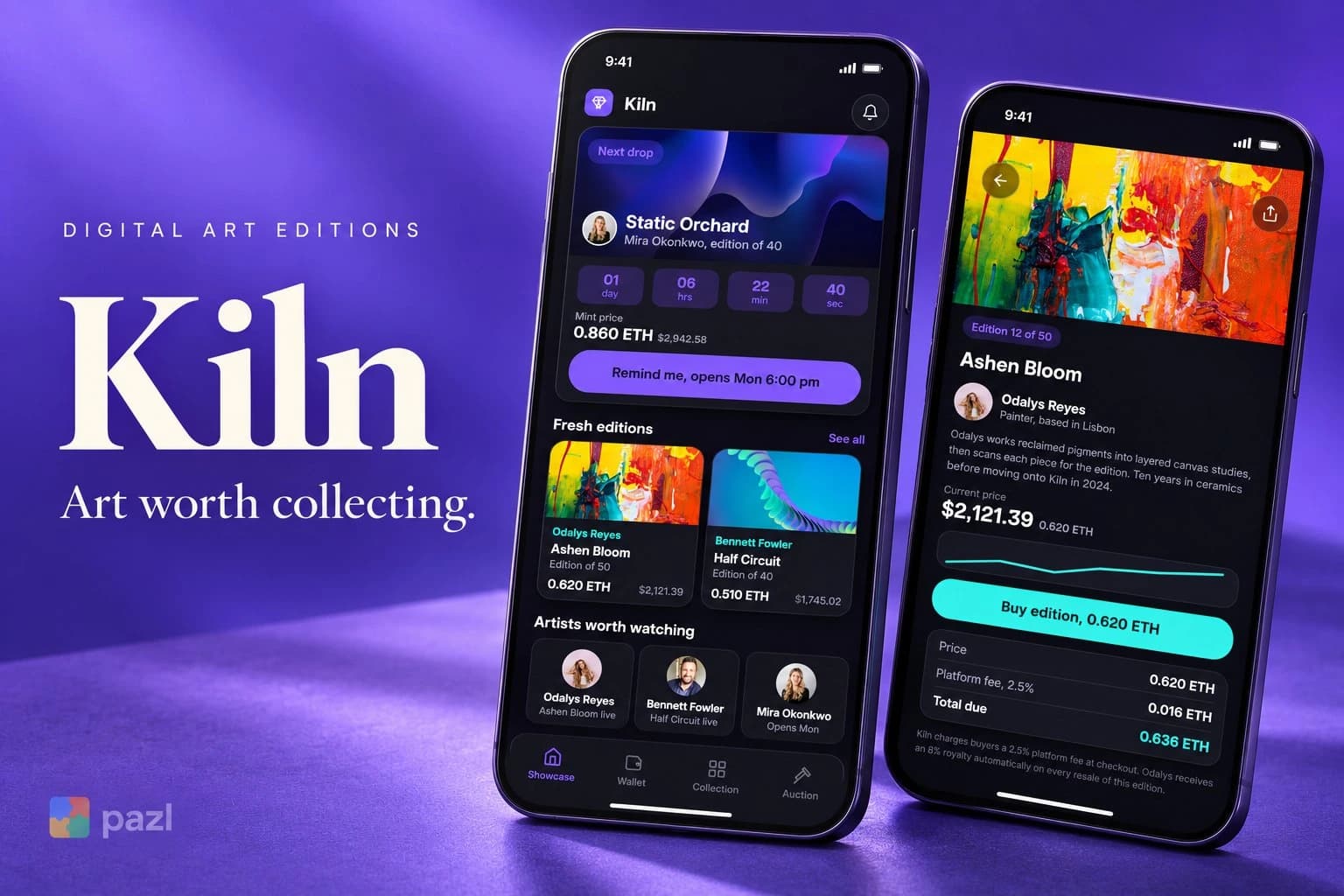
An NFT marketplace starts from £2,100, and the price follows the features: drops only, or resale too; wallet checkout, or cards through a payment provider; one collection, or many creators with moderation.
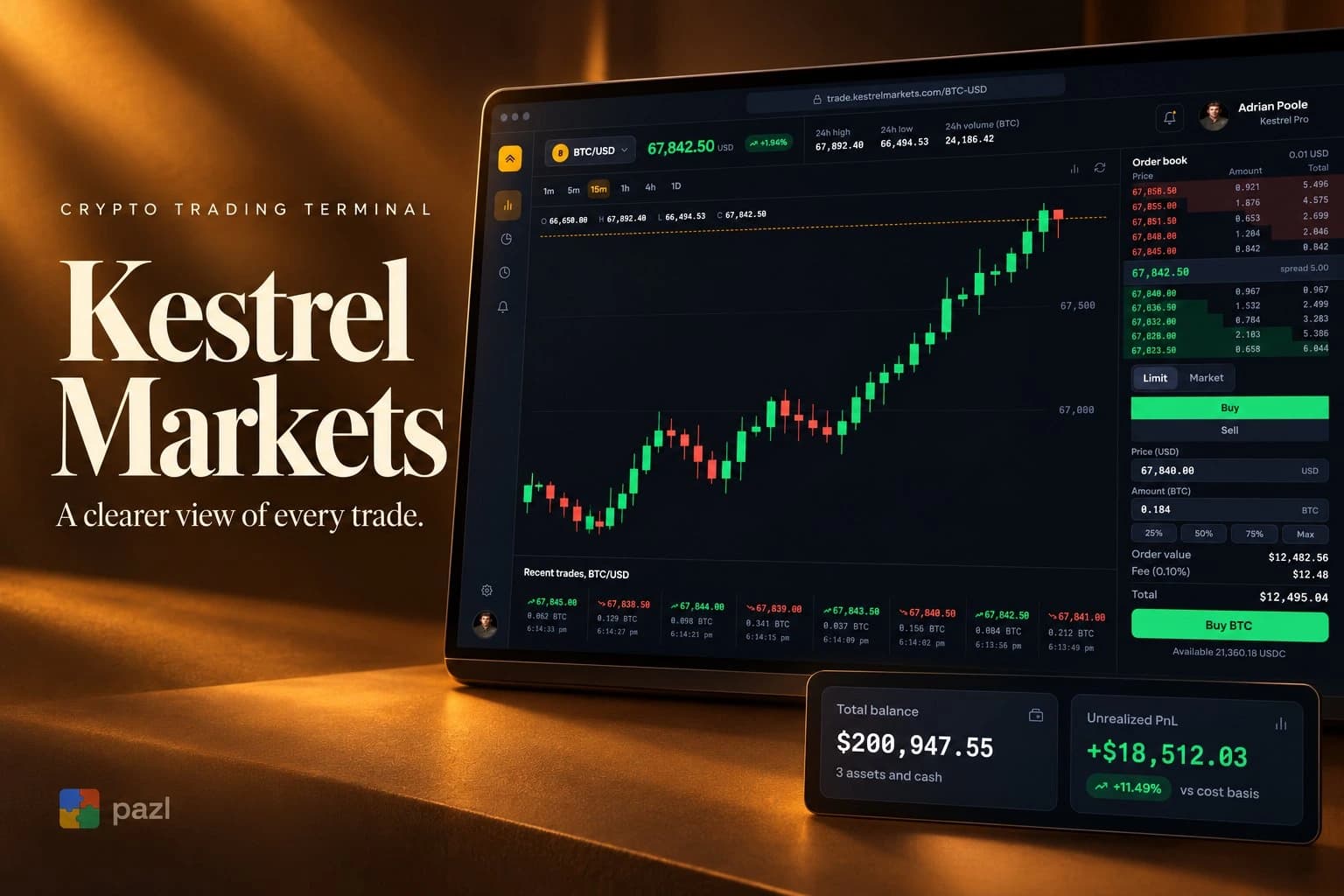
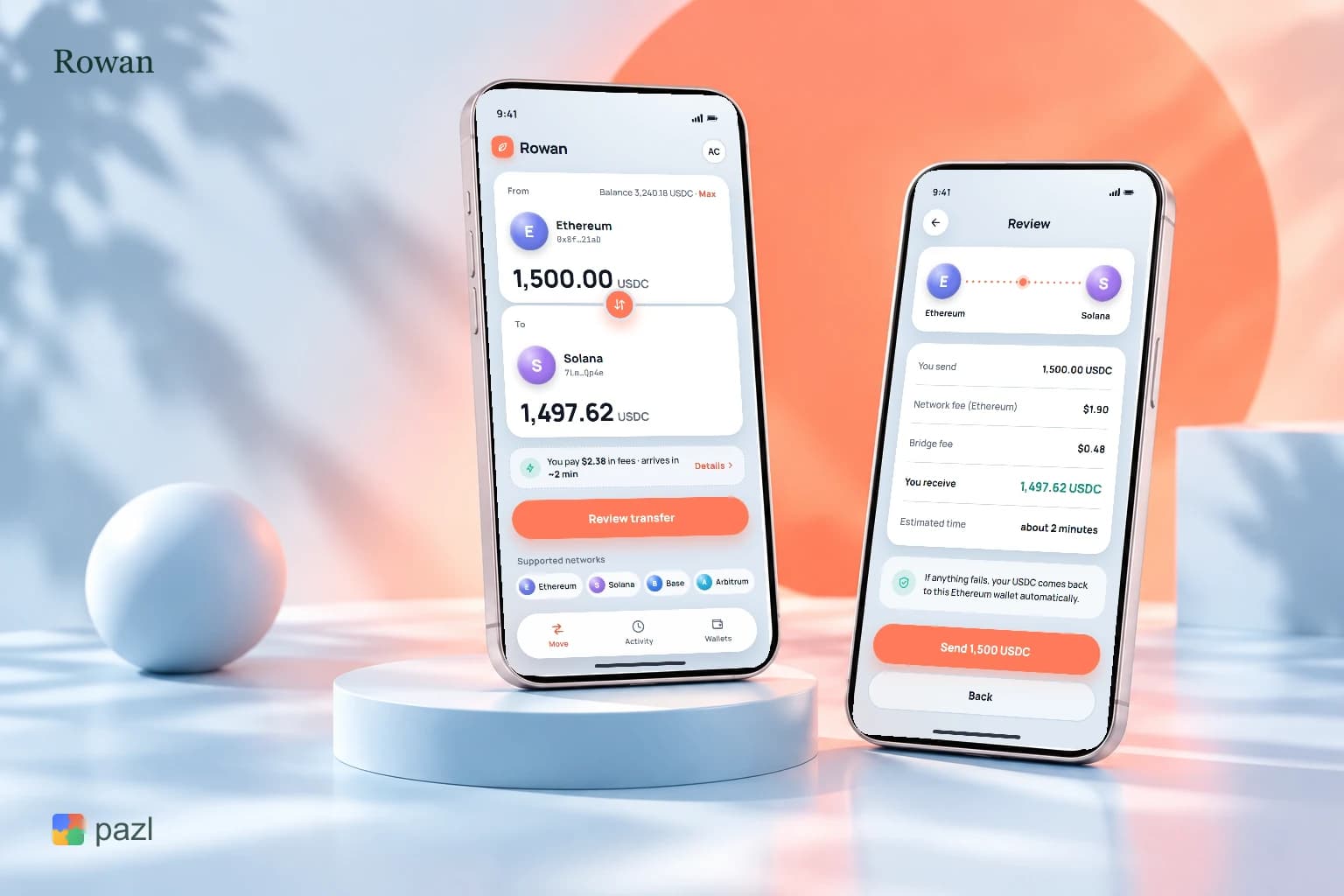
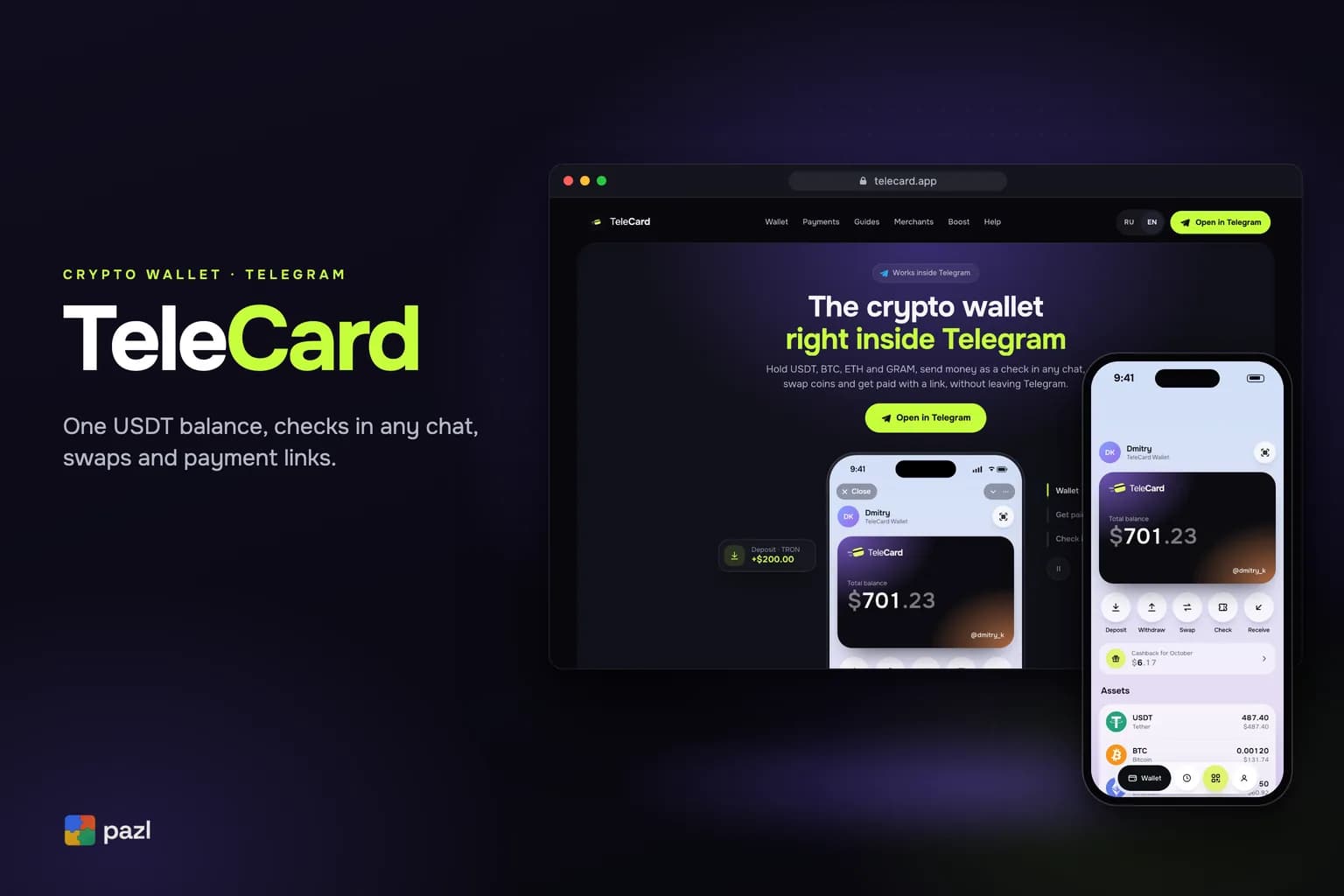
TeleCard is our own crypto wallet. We have no Web3 client project to show yet; the other projects are the same kind of work, built and shipped by the same team.
01Primary drops only, or a secondary market with offers and resale.
02Wallet-only checkout, or cards through a payment provider.
03One brand’s collection, or many creators with review and moderation.
04One chain, or several, each with its own contracts and indexing.
06 In the UK
What the tokens are decides what else you build.
Under UK rules, whether your tokens are genuinely unique or tradeable cryptoassets changes the flows the marketplace needs, and so the price.
Starting pricefrom £2,100Fixed for the agreed features, set after the brief.
FCA · PS26/18Not every NFT is a qualifying cryptoassetDigital assets as propertyTokens can be personal propertyFCA · promotion rulesRisk warnings and cooling-off, where they apply
Details and sources
Not every NFT is a qualifying cryptoasset. The FCA’s perimeter guidance (September 2026) says a cryptoasset that is genuinely not fungible is not a qualifying cryptoasset; the “NFT” label alone doesn’t decide it, and NFTs can still be cryptoassets under the Money Laundering Regulations. Ask your lawyer before we scope the collection.
Tokens can be personal property. The Property (Digital Assets etc) Act 2025, in force since 2 December 2025, confirms that digital assets can be objects of personal property rights in England and Wales and Northern Ireland. Item pages that state what comes with each token are part of the build.
Risk warnings and cooling-off, where they apply. Where tokens are cryptoassets promoted to UK consumers, promotions carry a prescribed risk warning, first-time investors get a 24-hour cooling-off period and refer-a-friend bonuses are banned. If your lawyer says they apply, those steps go into checkout and into the price.
The secondary market and the payment set-up. Resale adds listings, offers and royalty logic; card payments add a provider’s checkout, webhooks and refunds.
What is paid to others?+
The payment or on-ramp provider’s fees, network fees for minting and transfers, IPFS pinning if you use a paid service, and the independent audit of the contracts, quoted by the audit firm.
What affects the timeline?+
The number of collection types, whether resale is in the first release, the payment provider’s onboarding and the audit firm’s schedule. A first release with drops only is the shortest route.
How much does a first NFT marketplace cost?+
A first marketplace with drops for one collection type starts at £2,100; the fixed price for your features follows the brief.
Does running a marketplace need a licence?+
We need none to build it. For you it depends on what the tokens are: the FCA looks at whether a token is genuinely non-fungible, not at its label. Your lawyer decides; any compliance features they ask for go into the scope and the price.
 pazlWEB3←Main site