pazlWEB3←Main site

Ethereum development: smart contracts, dApps and tokens

Mainnet or layer 2, decided before the code.

More

Solidity contracts, ERC standards and the dApp around them, with one decision made early: mainnet, a layer 2 or both. We build, test and deploy; you keep the keys and the code.

  • from £2,100
  • Foundry and Hardhat tests
  • Mainnet, layer 2 or both
  • Source verified on the explorer

Fixed price / You own 100% of the code / 6-month warranty

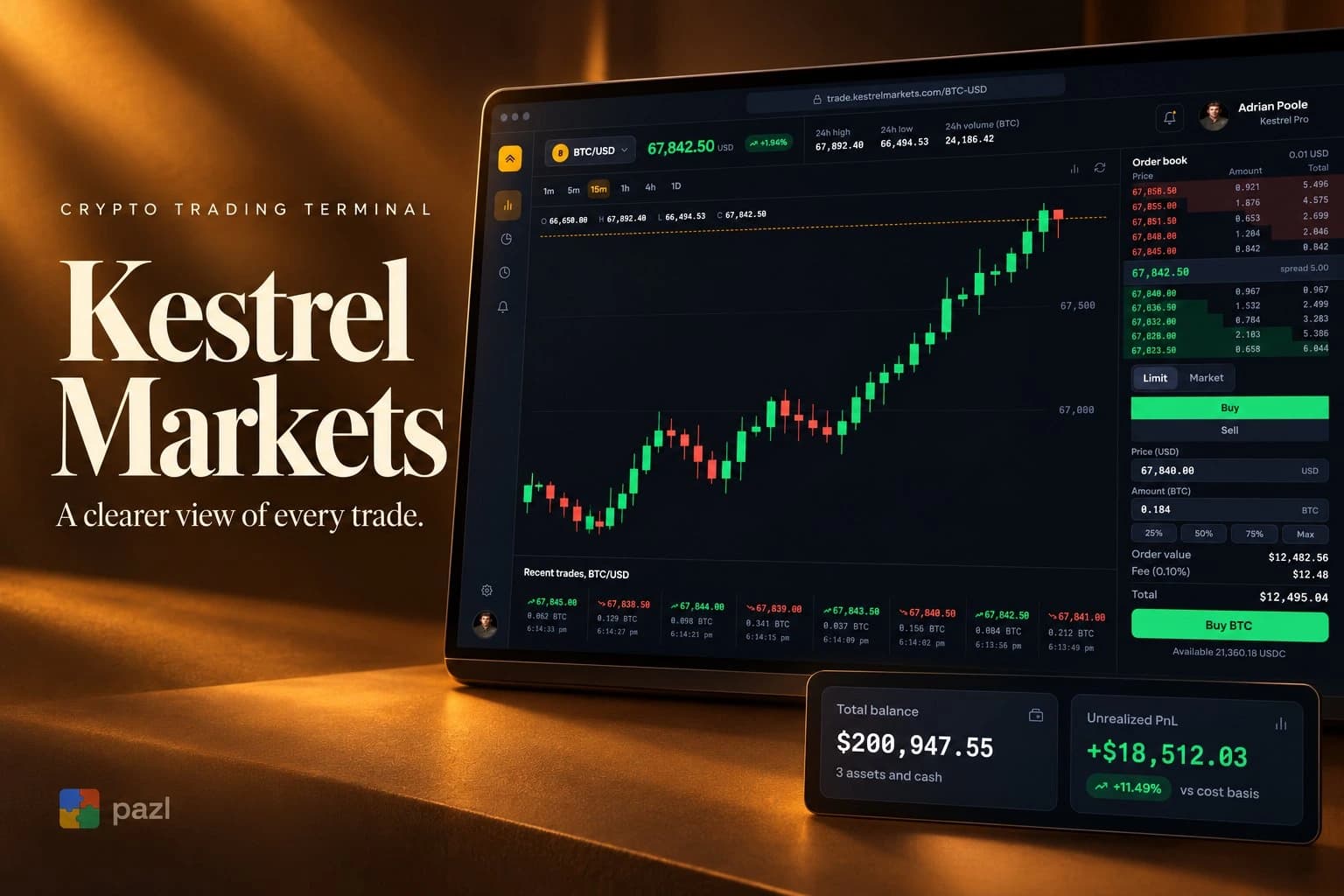
Concept Kestrel Markets: Crypto Terminal

Compare the chains side by side.

Set this chain against another: language, tools, tokens and wallets, and what each one suits.

EthereumThis page
Language
Solidity, on OpenZeppelin libraries
Tools and tests
Foundry or Hardhat, gas measured per function
Tokens
ERC-20, ERC-721 and ERC-1155
Wallets
MetaMask, WalletConnect and other EVM wallets

Tokens that carry value on mainnet, frequent actions such as mints or votes on a layer 2.

Compare with
Solana
Language
Rust, with Anchor
Tools and tests
A local validator, then devnet
Tokens
SPL and Token-2022 extensions
Wallets
Phantom, Solflare and others via the wallet adapter

Apps where every action has to be fast and cheap: programs, tokens, wallets and payments.

More on Solana →

Real projects by the same team.

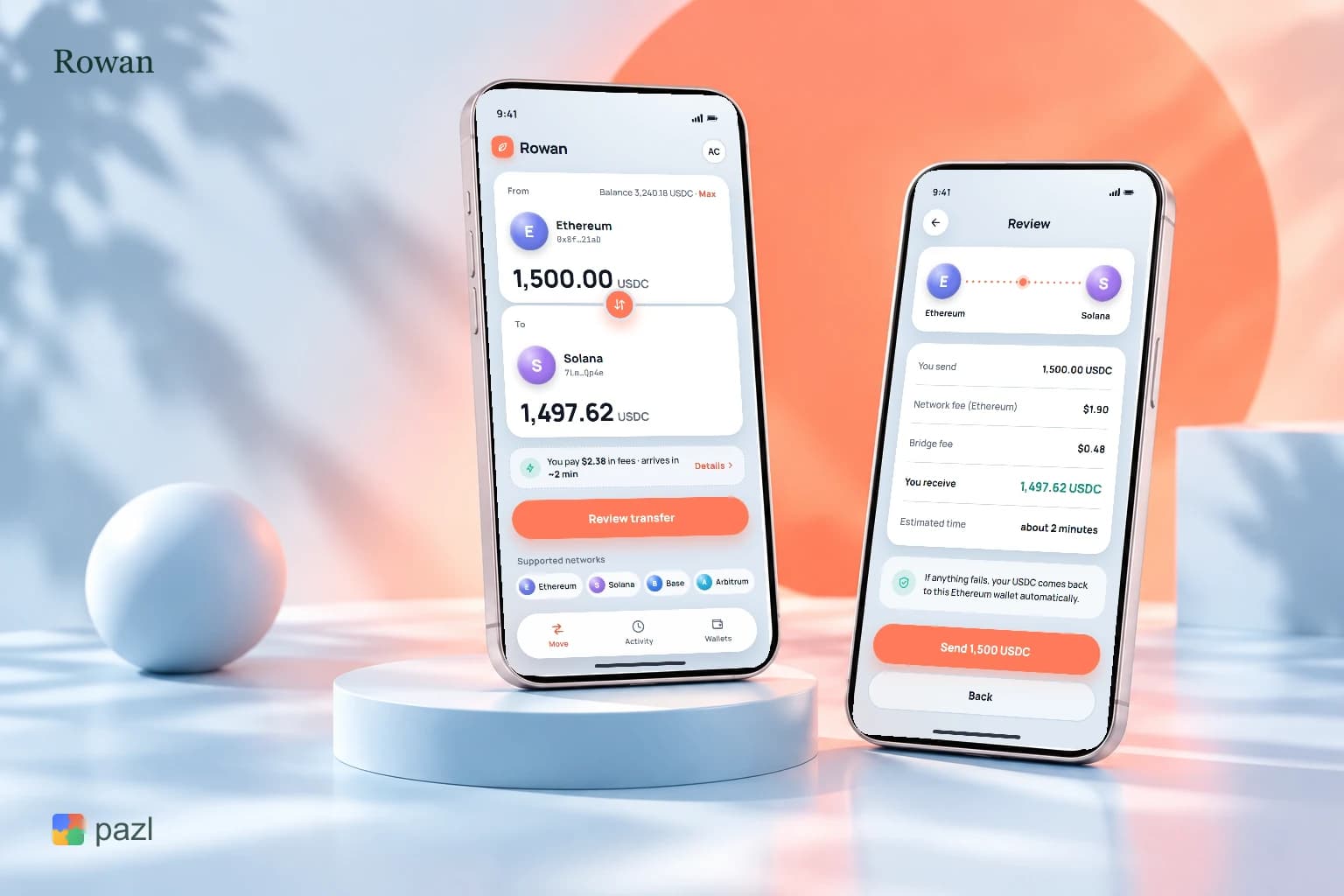
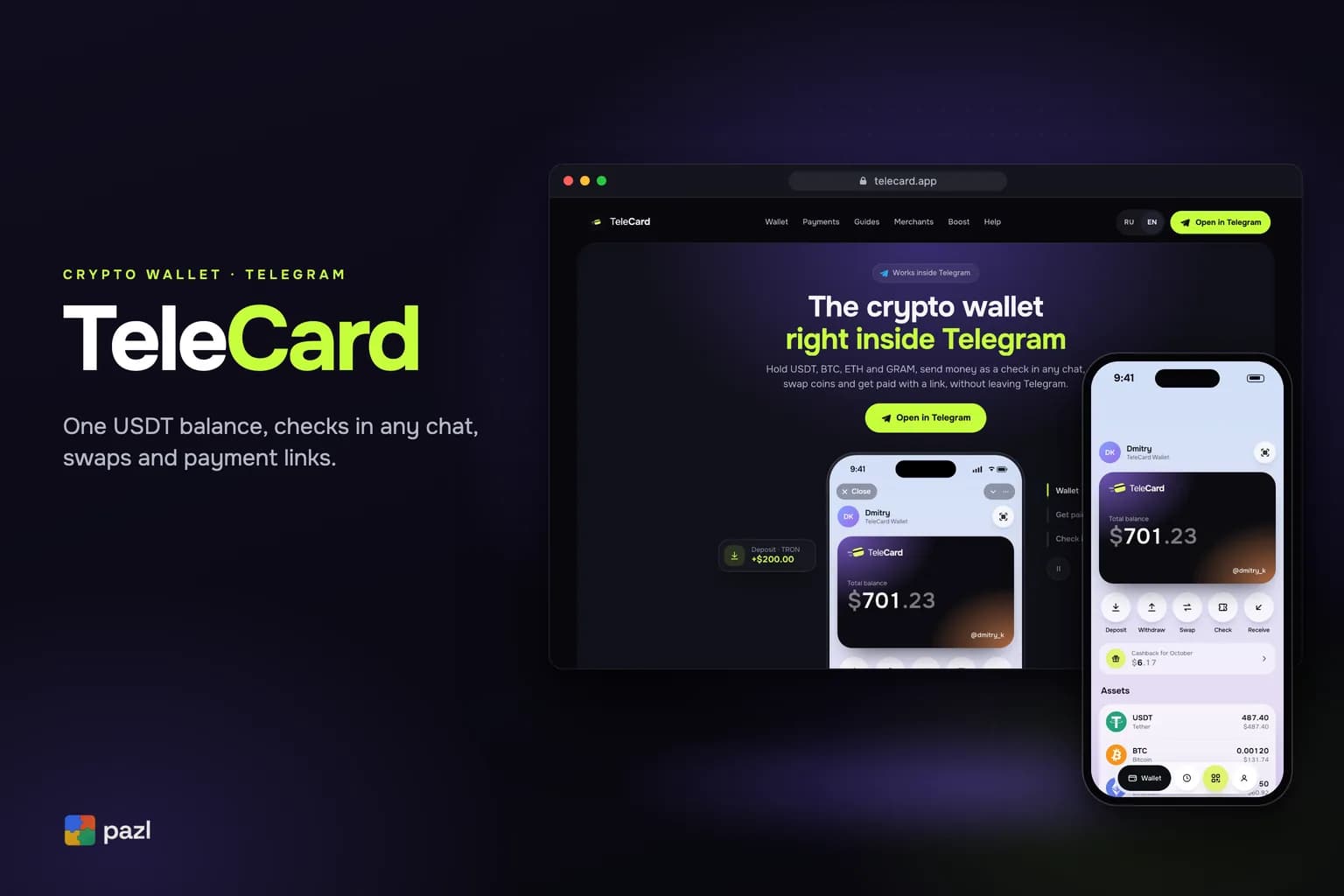
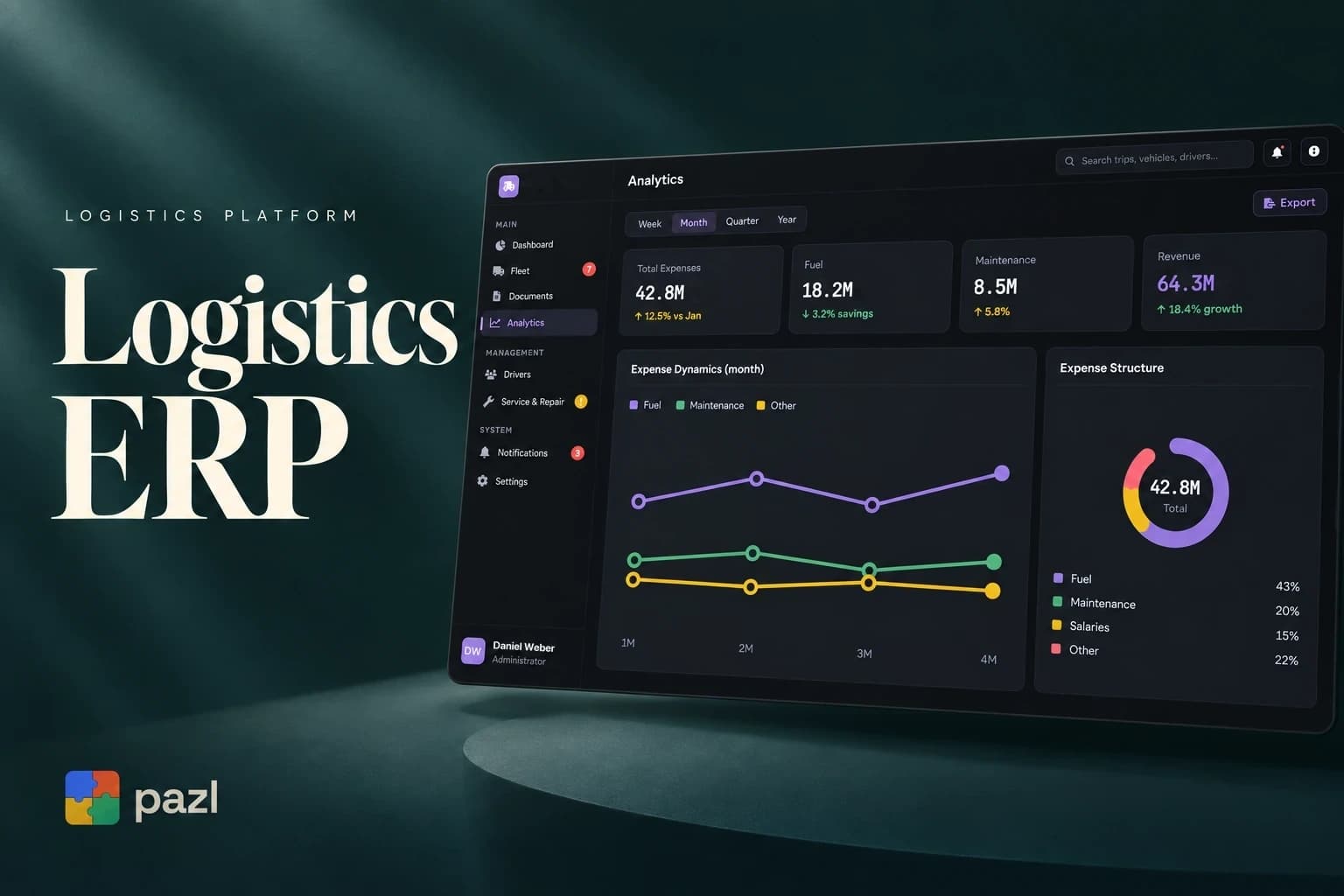
TeleCard is our own crypto wallet. We have no Web3 client project to show yet; the other projects are the same kind of work, built and shipped by the same team.

What we build on Ethereum.

  • 01Contracts
  • 02Layer 2 deployment
  • 03Tokens
  • 04Indexing
More
  • Contracts. Solidity on OpenZeppelin libraries, tested in Foundry or Hardhat.
  • Layer 2 deployment. The same code on Arbitrum, Optimism, Base or Polygon, at lower gas.
  • Tokens. ERC-20, ERC-721 and ERC-1155, with roles and supply rules.
  • Indexing. Events designed for a subgraph on The Graph or our own indexer.

UK rules look at what you do on Ethereum, not at Ethereum.

The UK regime regulates activities, so the same questions apply on mainnet and on every layer 2.

Starting pricefrom £2,100Fixed price for the agreed contracts and chain, set after the brief.
FCA · PS26/18Writing contracts is not regulated as such
FCA · Travel RuleTransfers carry sender and recipient data
Digital assets as propertyTokens can be personal property
Details and sources

Writing contracts is not regulated as such. The FCA’s perimeter guidance (September 2026) says developing software is not a regulated activity as such; authorisation typically falls on those who provide access to or use of it. We write and deploy the code; you and your lawyer decide who operates it.

Source: FCA: PS26/18 Cryptoasset Perimeter Guidance

Transfers carry sender and recipient data. UK cryptoasset businesses have had to collect, verify and share originator and beneficiary information on crypto transfers since 1 September 2023 (the Travel Rule). If your app moves ETH or tokens for users, the send flow needs those fields.

Source: FCA: complying with the Travel Rule

Tokens can be personal property. Since 2 December 2025 the Property (Digital Assets etc) Act 2025 has confirmed that digital assets can be objects of personal property rights in England and Wales and Northern Ireland. Any admin power to pause or move tokens is written down before deployment.

Source: legislation.gov.uk: Property (Digital Assets etc) Act 2025

Checked on 12 November 2026 on the regulators’ own pages. General information, not legal advice: your lawyer confirms what applies to your project.

On Ethereum, every write costs gas.

What teams weigh before they deploy.

More
  1. 01Users pay more in gas than the action is worth to them.
  2. 02Mainnet or a layer 2, and nobody has costed either.
  3. 03Contracts deployed from a laptop wallet, source never verified.
  4. 04A dashboard needs history the contracts never logged.

Pick the parts, see where it starts.

Every part has its own published starting price. Tick what your product needs.

Your starting pointfrom £2,100Set by Smart contracts, the part with the highest starting price.

A floor, not a total: the fixed price for your whole scope follows the brief.

Send this scope +

In the starting price

An Ethereum build you can hand to an auditor and run in production.

from £2,100 for an agreed scope

More
  • Chain choice costed: mainnet, a layer 2 or both
  • Solidity contracts built on OpenZeppelin libraries
  • Foundry or Hardhat tests, gas measured per function
  • Events ready for a subgraph or our own indexer
  • Deployment scripts, Safe multisig, verified source
  • Code and repo handed over, 6-month warranty

Mainnet for everything, or a layer 2 too?

Mainnet for everythingPazl
Frequent actionsEach one paid in mainnet gasRun on a layer 2 where gas would hurt
Moving fundsNo bridge neededBridge and withdrawal flow designed in
Gas costSeen after launchMeasured per function before deploy
ToolingEthereum’s EVM toolsThe same tools and code on both

Choosing a rollup? See the layer 2 comparison. Need contracts for any EVM chain? See smart contract development.

Straight answers.

Should we deploy on mainnet or a layer 2?

It depends on what users do and how often. Tokens that carry value often stay on mainnet; frequent actions such as mints, votes or game moves usually belong on a layer 2. We cost both with gas measured in tests.

Which tools do you use?

Solidity, Foundry or Hardhat for tests and scripts, OpenZeppelin libraries, Safe for admin keys, and The Graph or our own indexer for data. Users connect with MetaMask, WalletConnect and other EVM wallets.

Can users skip gas fees and seed phrases?

Yes, with ERC-4337 smart accounts: a paymaster can sponsor gas and a passkey can sign. It adds contracts and a service to run, so we use it where onboarding is the real problem.

How much does Ethereum development cost?

A first Ethereum build, contracts with tests and a testnet deployment, starts at £2,100; the fixed price for your scope follows the brief. Gas goes to the network and the external audit to the audit firm, both paid separately.

Do we need a licence to build on Ethereum?

Not to build. The FCA says developing software is not a regulated activity as such; what your product lets people do may be. Your lawyer draws that line, and we build to it.

From message to launch

Step 1 of 4
More
  1. Cost the chain. Mainnet, layer 2 or both, by gas per user action.
  2. Write and test. Solidity with tests and a gas report per function.
  3. Testnet, then audit. A public testnet first, then the independent audit firm.
  4. Deploy and index. Multisig deployment, verified source, indexer live.
More
  • Ethereum vs Solana. Two chains compared on language, accounts, fees and wallets.
  • Solana development. Rust programs, SPL tokens, wallets and payments on Solana.
  • dApp development. Contracts, front end and wallet connection, built as one product.
  • Token development. ERC-20 and SPL tokens with supply rules, vesting and a claim page.
Anatoly Mikhailov
Anatoly MikhailovFounder of Pazl

Rather talk it through?

We build on several chains, so the choice follows your users and your team, not our habits. Tell me what you are building and we will weigh it together.

A free 30-min call with a product lead, or a fixed-price quote by email within 24h.

What are you putting on Ethereum?

Describe the contracts and users; get scope and price within 24h.

Your selectionEthereum buildfrom £2,100
  • Product lead replies within 24h.
  • Fixed price in writing, before you pay.
  • No calls unless you ask.
Get a fixed quote
Project budget
Straight to a product lead. Email reply, no cold calls.