The two can be mixed. Either way, the licence is yours as the operator.
from £2,100
Start with one custom part
Your code, no vendor fees
Licence stays with the operator
Fixed price / You own 100% of the code / 6-month warranty /
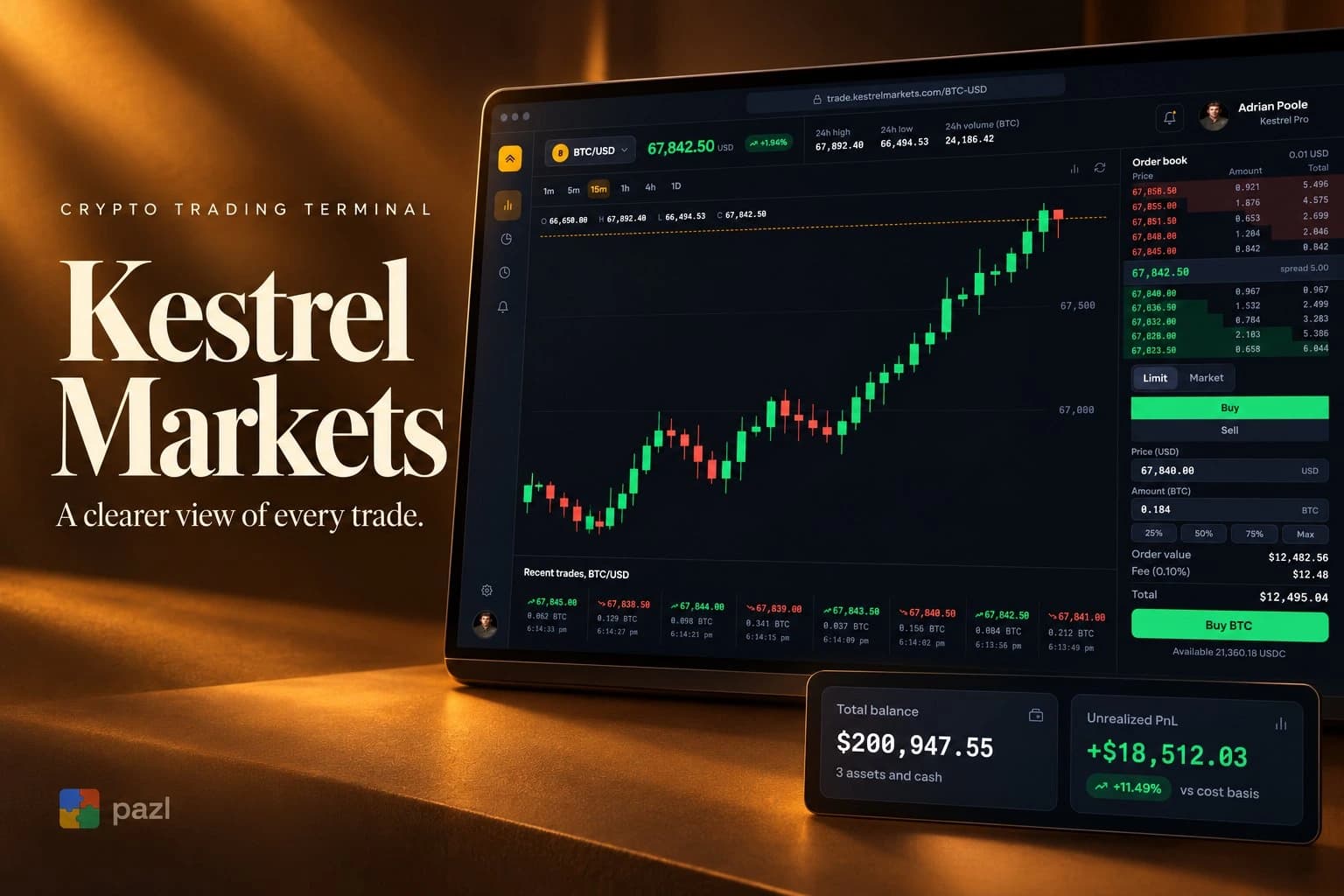
Concept Kestrel Markets: Crypto Terminal
01 Two routes
Two routes to an exchange, one at a time.
Pick a route to see launch time, cost, control and ownership. Either way, the licence is yours as the operator.
White-labelCustom
Time to launchWhite-labelShortest: configure and brandCustomLonger: built in stages, core first
Ongoing costWhite-labelSetup plus a licence fee or revenue shareCustomFixed price per stage, then hosting
ControlWhite-labelFeatures wait for the vendor’s roadmapCustomEvery screen and rule changes on your call
Compliance toolsWhite-labelThe vendor’s set, for its own marketsCustomBuilt to the requirements your lawyer sets
What you ownWhite-labelUsually licensed for as long as you payCustomThe code, repo, designs and data model, from day one
White-label / Choose it if
Speed to market matters most and you can live with the vendor’s roadmap and fees.
02 Delivered work
Real projects by the same team.
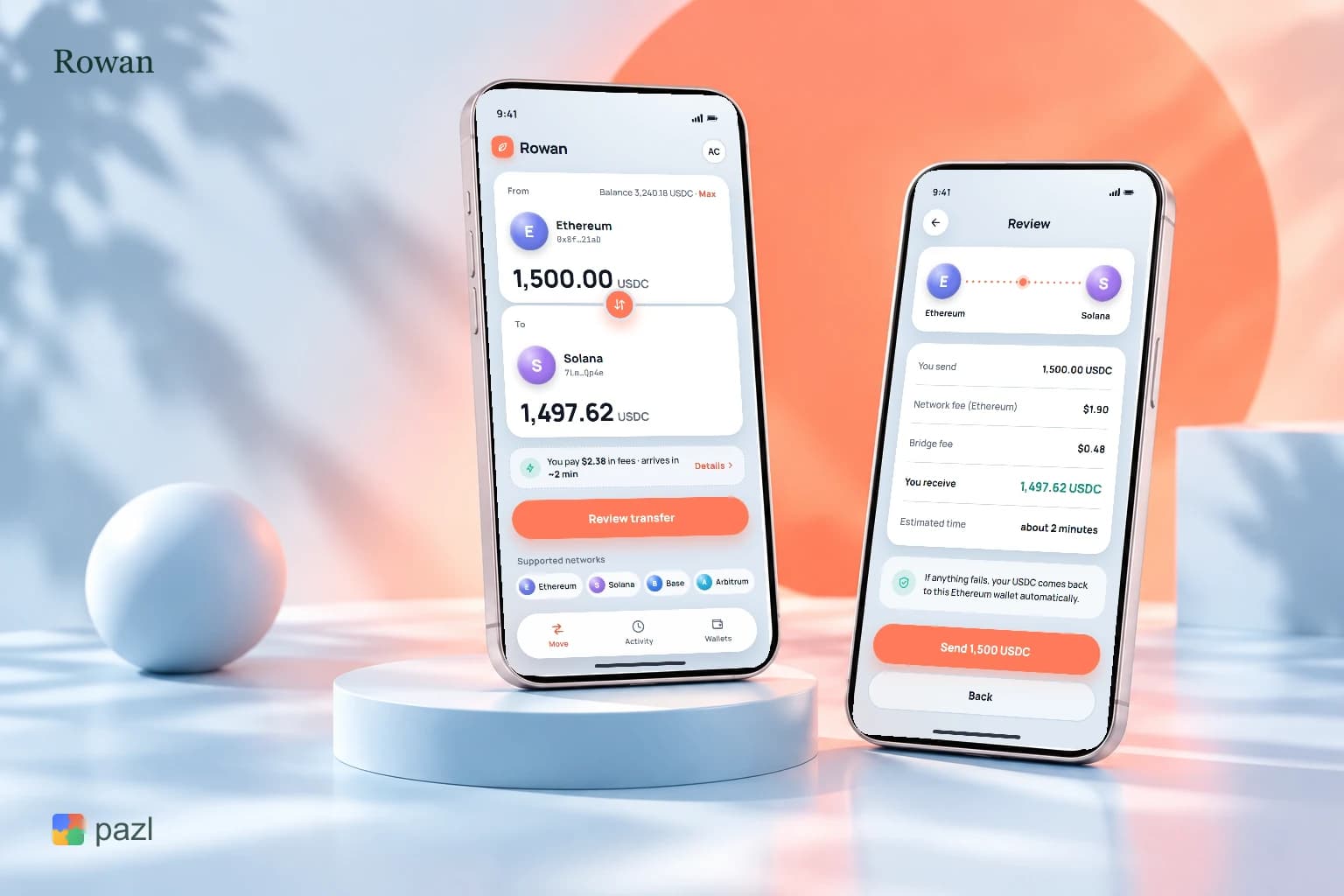
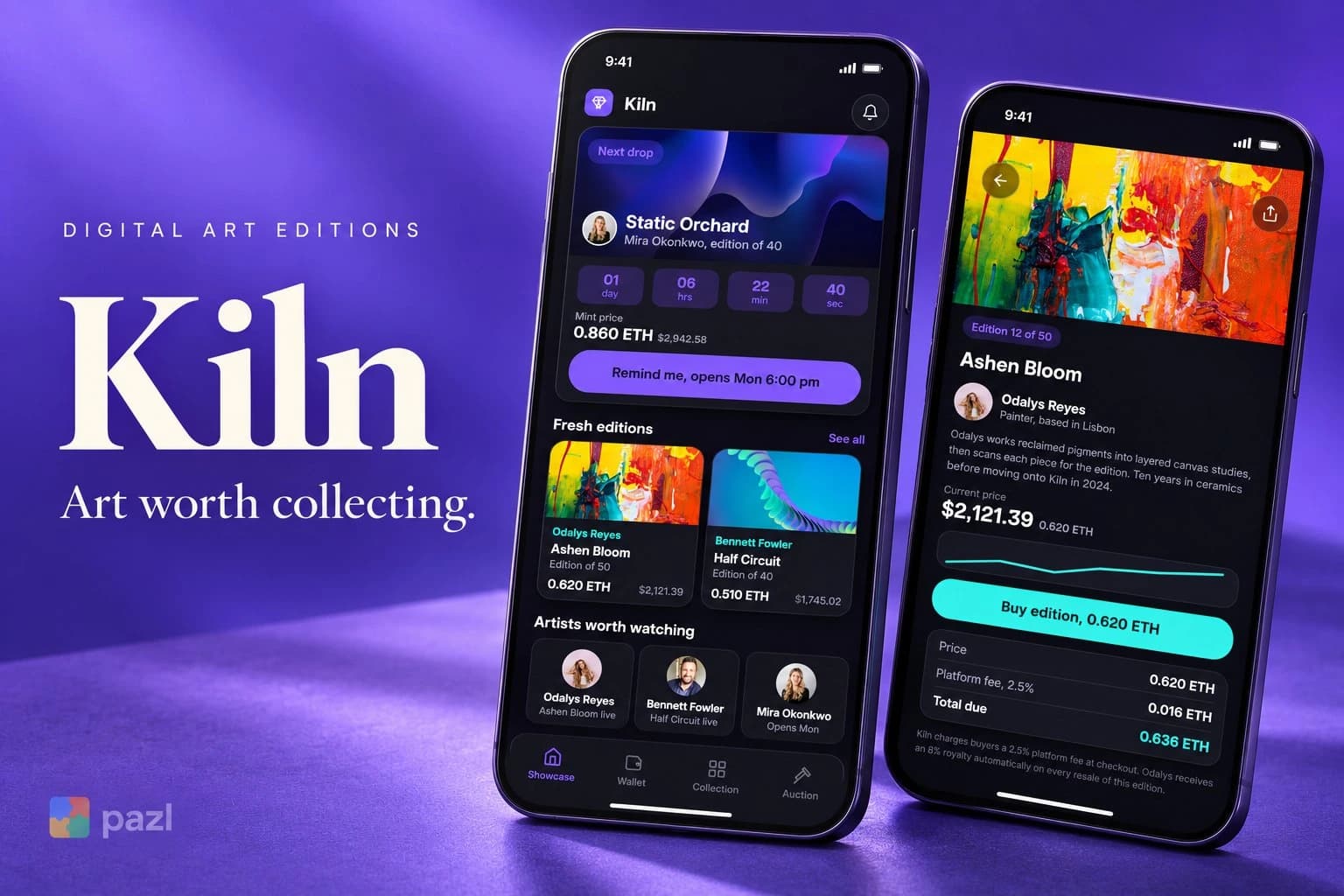
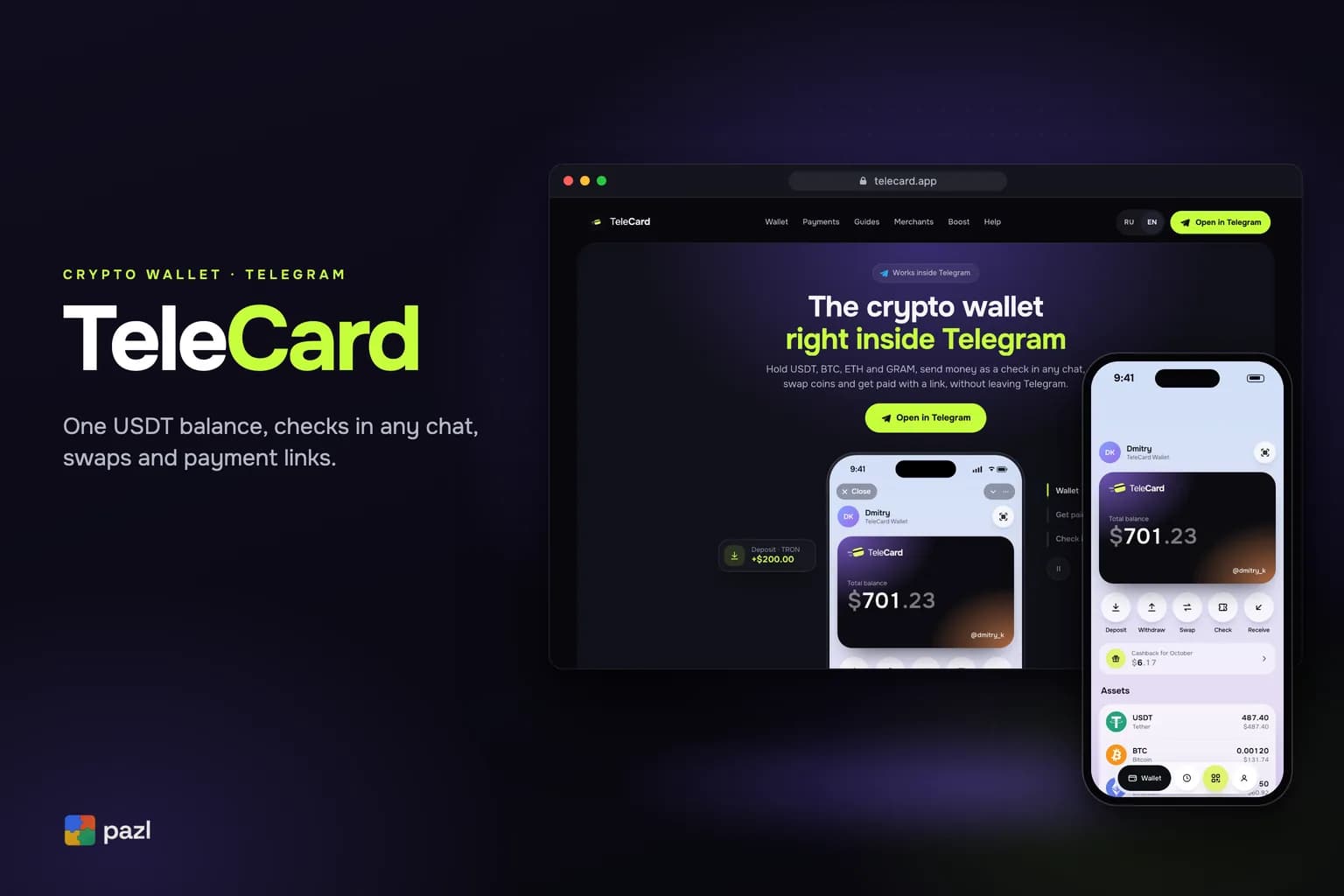
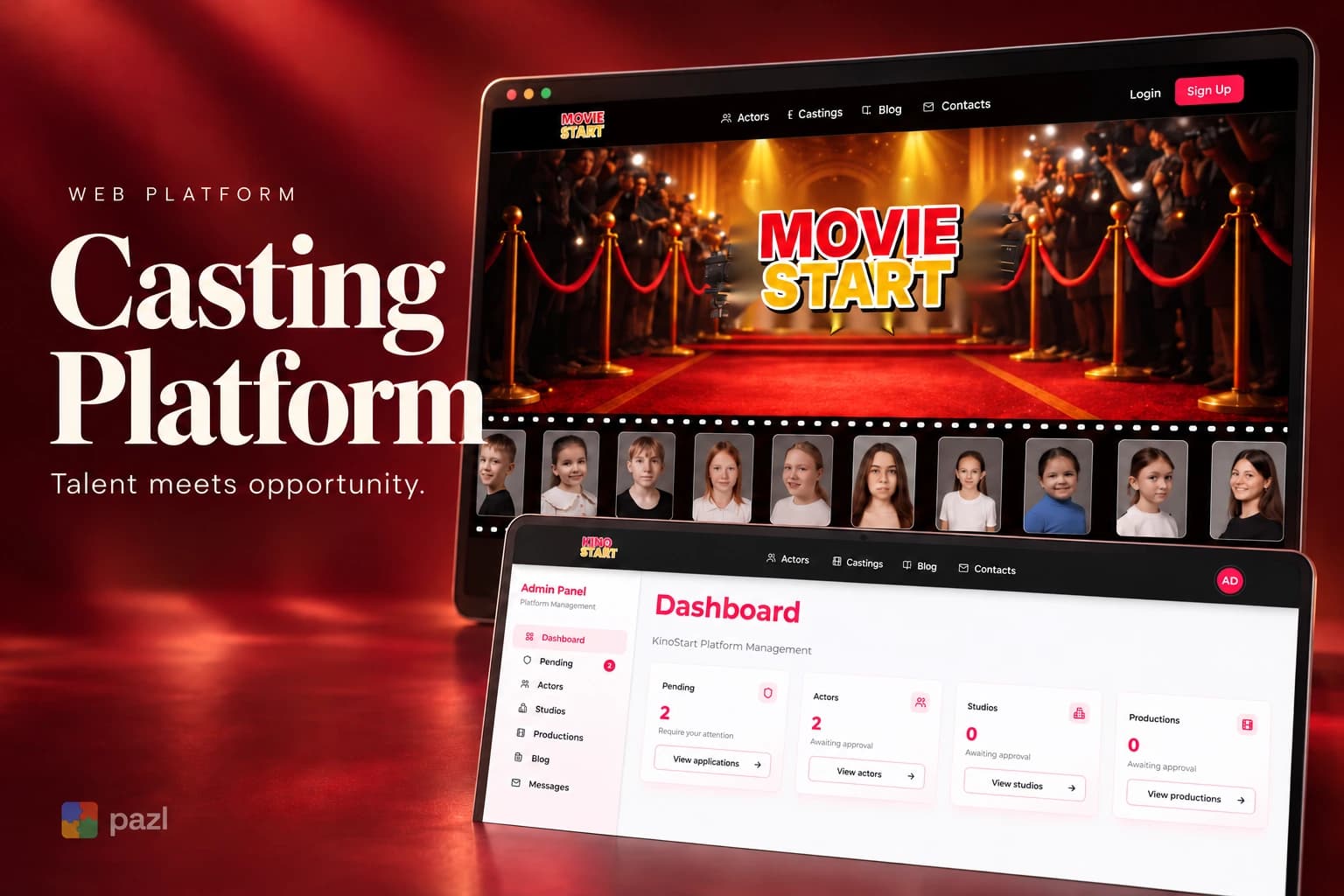
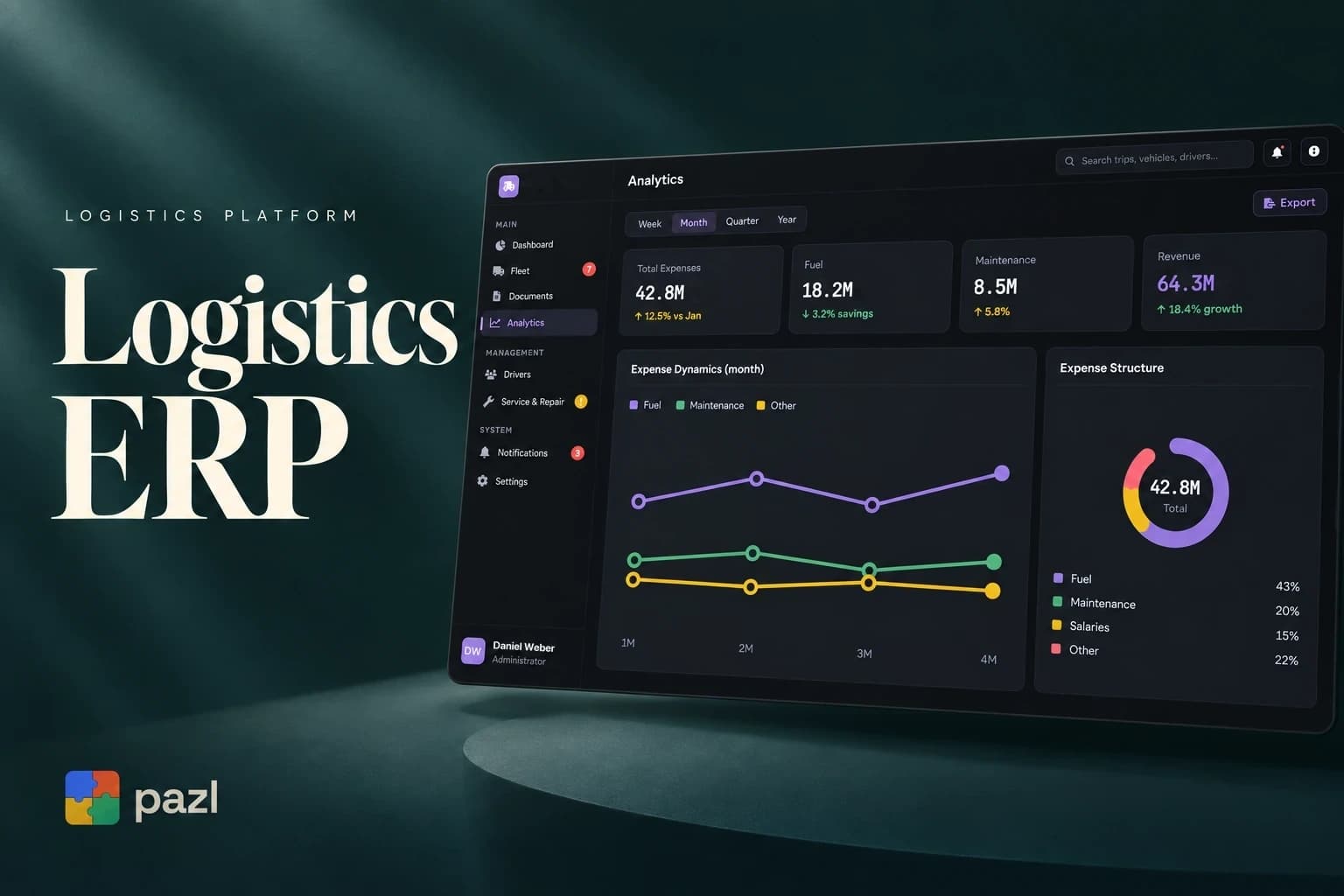
TeleCard is our own crypto wallet. We have no Web3 client project to show yet; the other projects are the same kind of work, built and shipped by the same team.
Bought or built, the operator needs FCA authorisation.
The rules follow whoever runs the venue, not whoever wrote the software, so the licence plan comes before the build plan.
Starting pricefrom £2,100Fixed price for the first agreed part, set after the brief.
SI 2026/102Running a trading platform becomes regulatedFCA · GatewayApplication window: 30 September 2026 to 28 February 2027FCA · PS26/18Writing the software is not the regulated part
Details and sources
Running a trading platform becomes regulated. The FSMA 2000 (Cryptoassets) Regulations 2026 make operating a cryptoasset trading platform a regulated activity, with dealing, arranging deals, safeguarding, staking and issuing a qualifying stablecoin, in full from 25 October 2027. That holds whether the software is rented or built.
Application window: 30 September 2026 to 28 February 2027. The FCA application window for the new regime opened on 30 September 2026 and closes on 28 February 2027. Firms already registered under the Money Laundering Regulations still need FSMA authorisation, so the platform’s controls are planned with the application in view.
Writing the software is not the regulated part. The FCA’s perimeter guidance (September 2026) says developing software is not a regulated activity as such; authorisation typically falls on those who provide access to or use of it. We write the software; the licence stays with whoever runs the exchange.
Checked on 12 November 2026 on the regulators’ own pages. General information, not legal advice: your lawyer confirms what applies to your project.
05 Included
In the starting price
A first custom part of the exchange, built to grow or to sit beside a vendor.
from £2,100for a first terminal or back office
More
✓ Routes compared for your market and licence plan
✓ Trading front end or back office, whichever comes first
✓ Connection to your matching engine or liquidity provider
✓ Roles, limits, KYC status and audit logs
✓ Load testing at the volumes you expect
✓ Code and repo handed over, with a 6-month warranty
06 Sounds familiar?
Rent the platform, or own it?
What operators ask us before choosing.
More
01How much of a white-label platform can we actually change?
02What happens to our users and data if the vendor stops?
03Do the vendor’s compliance tools fit the UK rules we face?
04Can we keep the vendor’s engine and own the front end?
07 FAQ
Straight answers.
When is white-label the better choice?+
When speed to market matters most, the vendor covers your markets and you can live with its roadmap and fees. We say so if that is your case, and can still build custom parts around it.
Can we combine both?+
Yes. One setup keeps a vendor’s or liquidity provider’s engine and builds your own front end, back office and reports over its API. You can replace the rest later, one part at a time.
Who holds the licence in each case?+
You, as the operator, in both. A white-label vendor supplies software; so do we. Operating a cryptoasset trading platform in the UK is a regulated activity in full from 25 October 2027, and the FCA window for applications closes on 28 February 2027.
How much does a custom crypto exchange cost?+
A first custom part, a trading terminal or a back office, starts at £2,100. A complete exchange is quoted after the brief, at a fixed price agreed before any work begins.
What do we own with a custom build?+
The code, the repository, the designs and the data model, from day one. With a white-label platform you usually license them for as long as you pay.
08 Proof
A trading terminal concept and two other Web3 concepts. No client exchanges.
 pazlWEB3←Main site