What is an NFT?
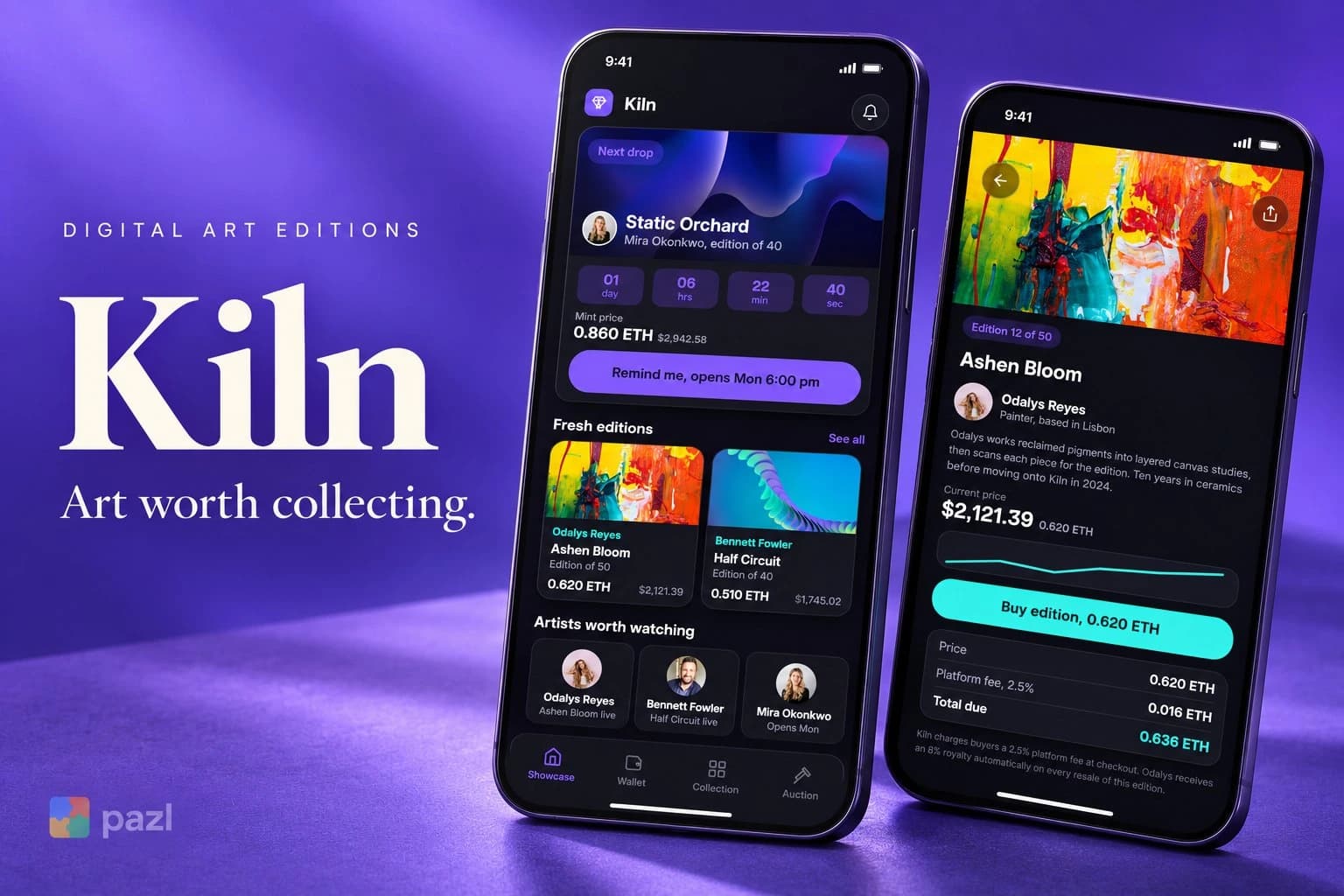
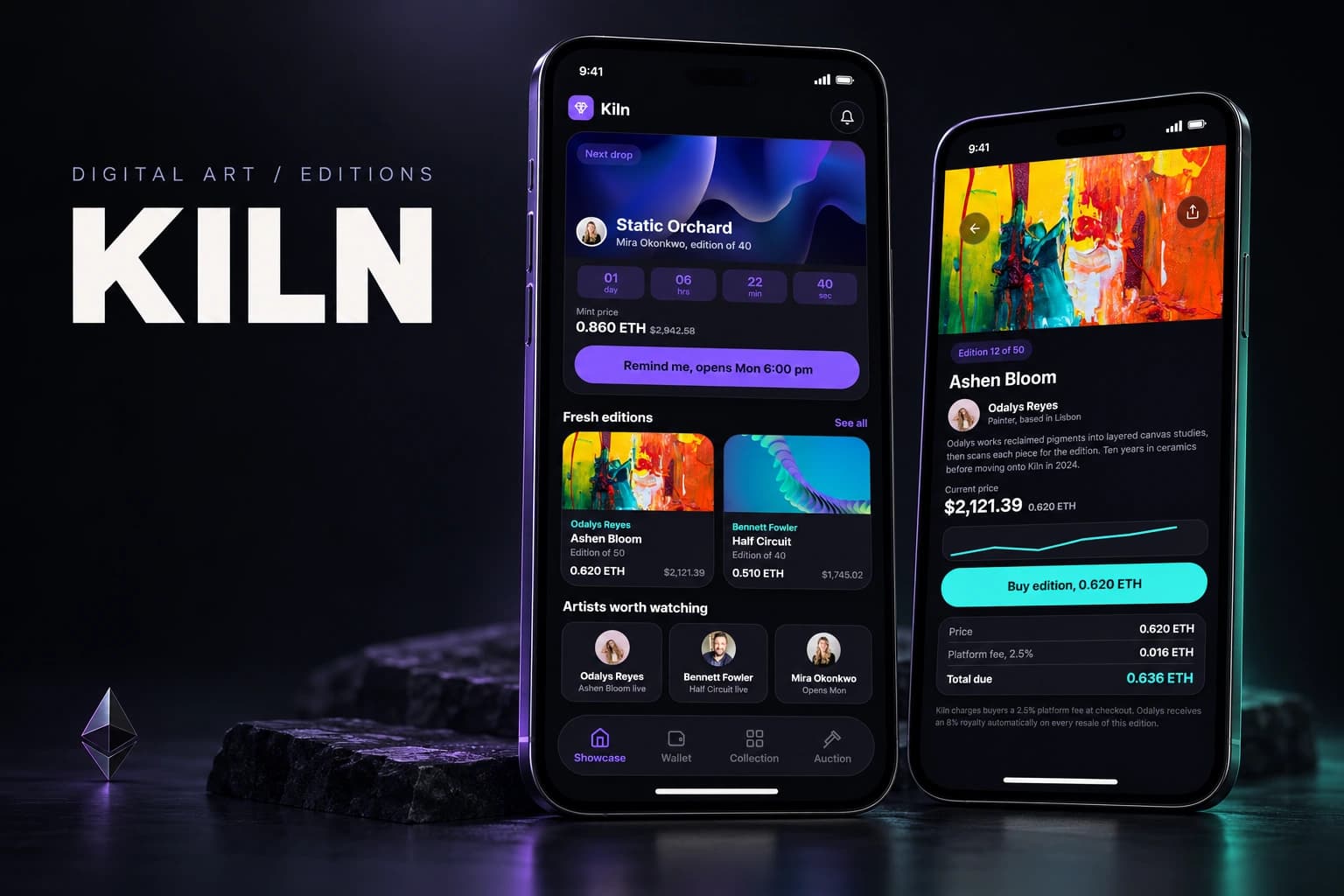
An NFT (non-fungible token) is a unique token on a blockchain that records who holds a specific item, such as a digital artwork, a ticket or a membership.
Also callednon-fungible token
Why it matters for a business
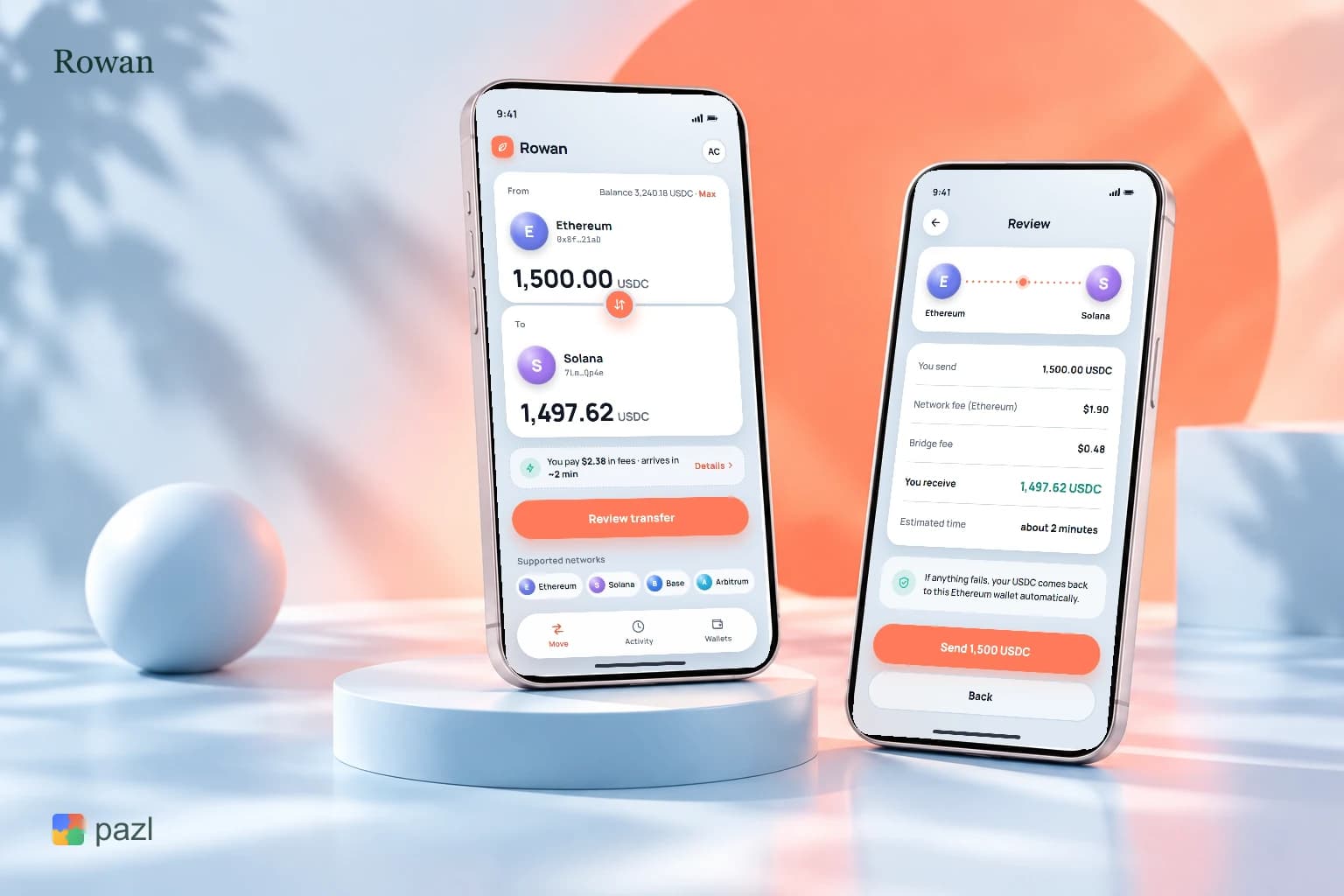
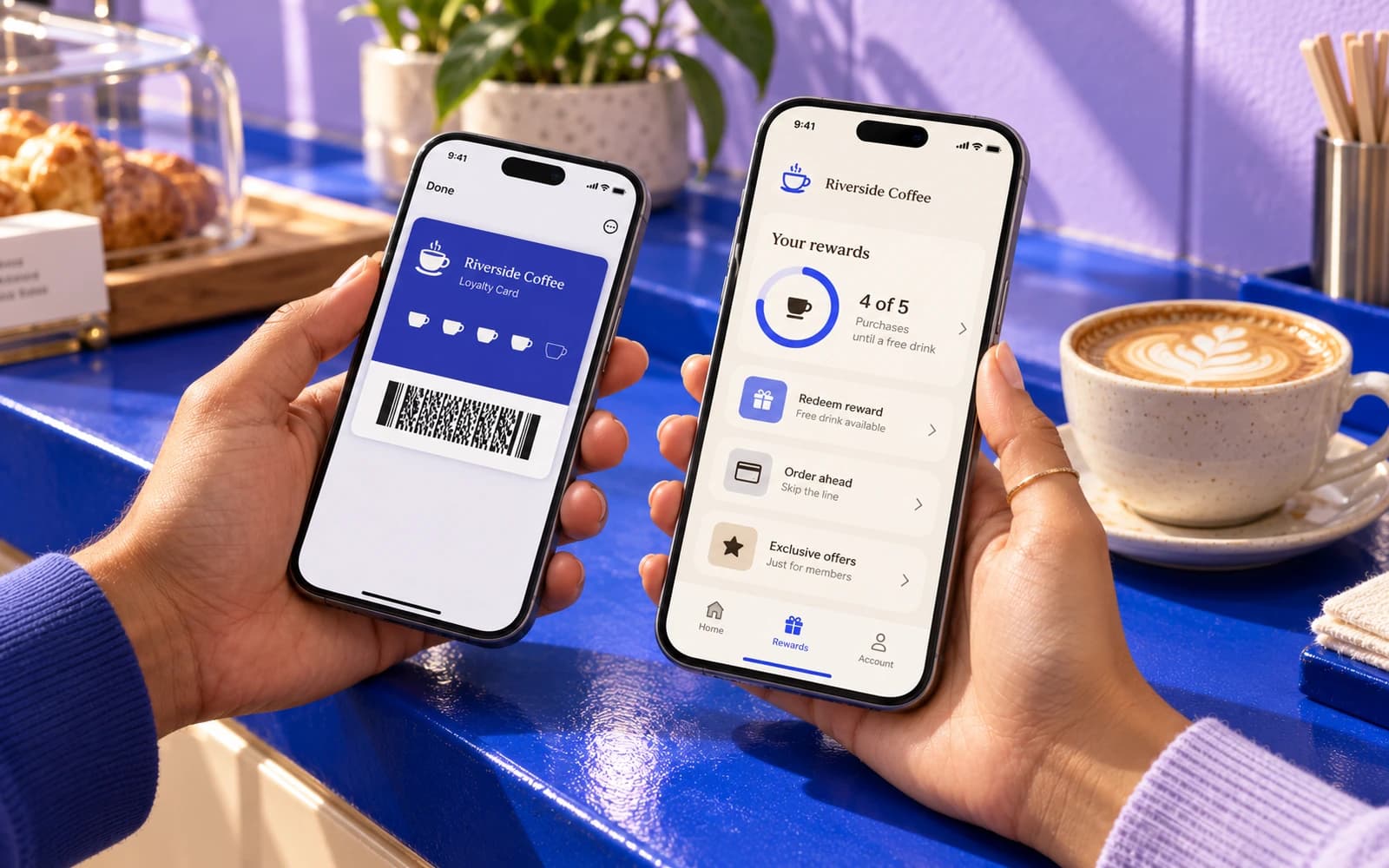
Beyond digital art, NFTs work as tickets, certificates, warranties and loyalty passes that customers hold themselves and can resell under your rules.
More
Unlike a coin, no two NFTs are interchangeable.
The file itself is usually stored off-chain, so plan where it lives and what rights the buyer actually gets. Holding an NFT does not give copyright unless the terms say so.
Token, not the file
The NFT holds a link to the image or data; that file is usually stored off-chain, for example on IPFS.
Fungible vs non-fungible
A pound coin can be swapped for any other; an NFT stands for one specific thing.
Royalties and rules
Smart contracts can set resale rules and creator royalties, though not every marketplace enforces royalties.
- AppWhere people click
- WalletHolds the keys and signs
- Smart contractRules that run as code
- BlockchainRecords every transaction
NFT
What it costs
Starting prices of our services on this topic, in your currency.
NFT in practice
A unique token on a blockchain that records who holds a specific item, such as a ticket, artwork or membership.
Example
- A concert venue in Glasgow issues tickets as NFTs in its app.
- Fans who cannot attend resell inside the app, where the price is capped and the venue receives a share.
- At the door, staff scan the ticket from the fan’s phone, and past gigs stay in the wallet as collectibles.
Which term is it?
A program stored on a blockchain that runs automatically when its conditions are met.

From the founder
In Web3 I care about products people can actually use: clear wallets, tested smart contracts, costs you can see. Scope and price are agreed up front, as for everything we build.
Anatoly MikhailovFounder of Pazl