
What is ERP?
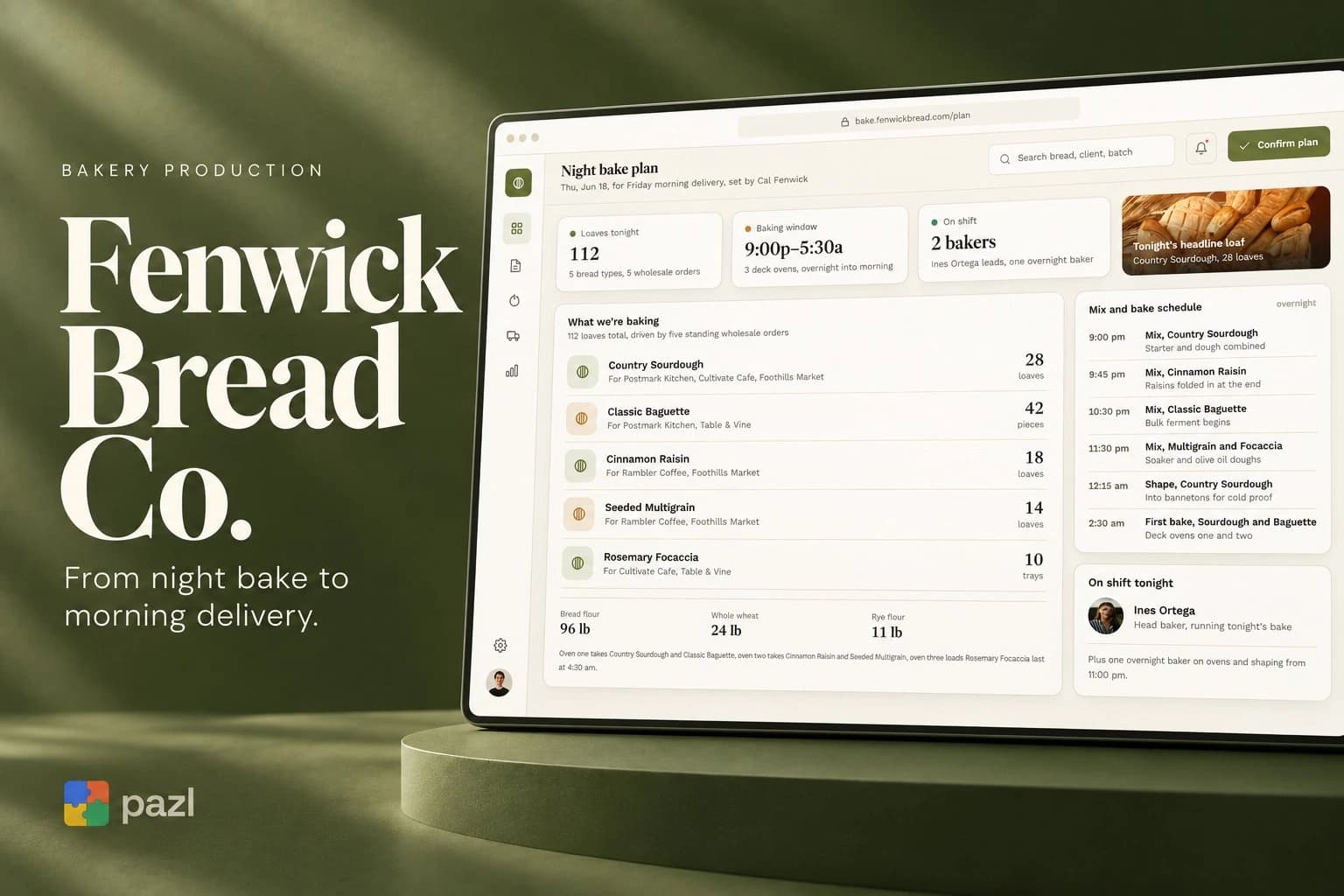
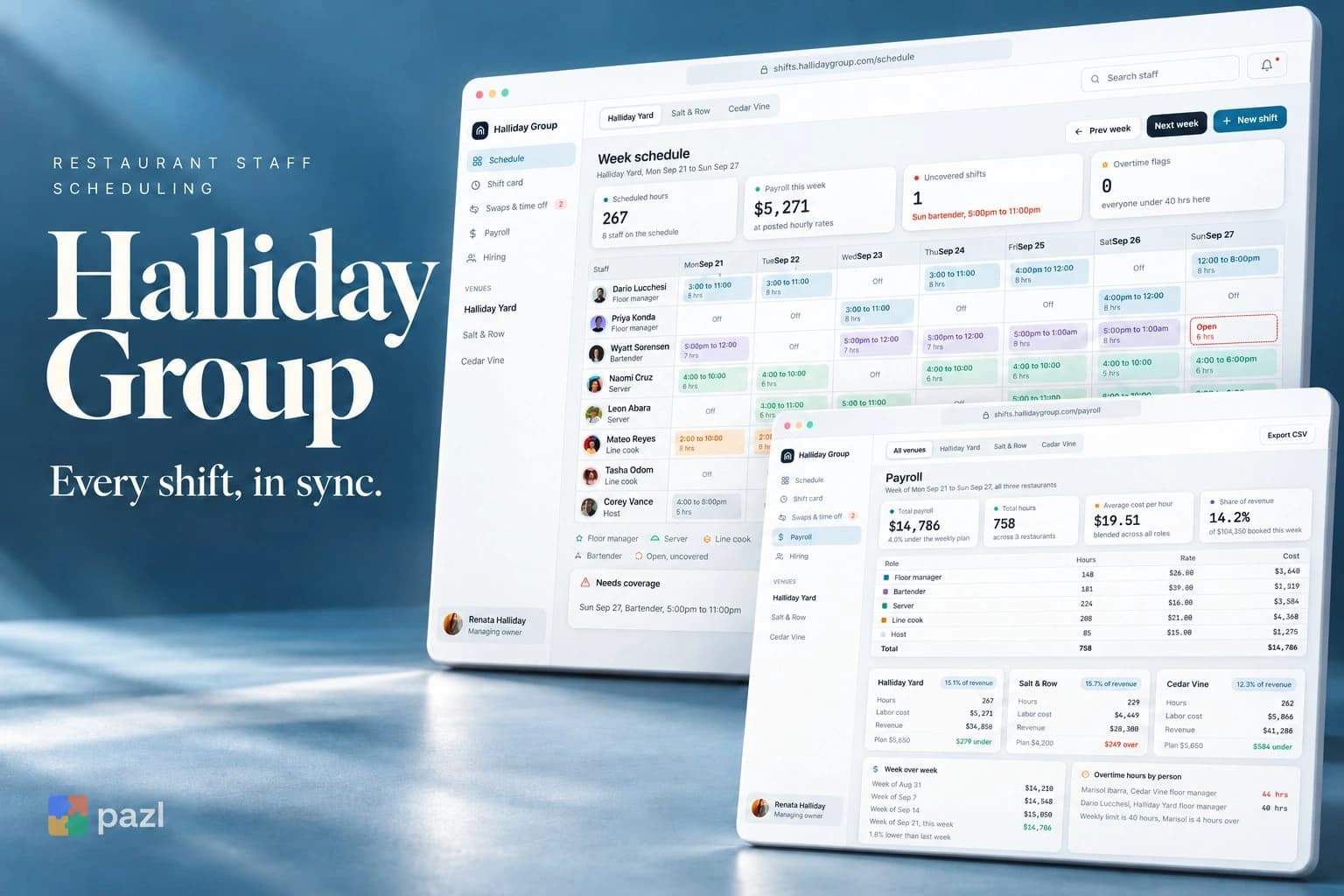
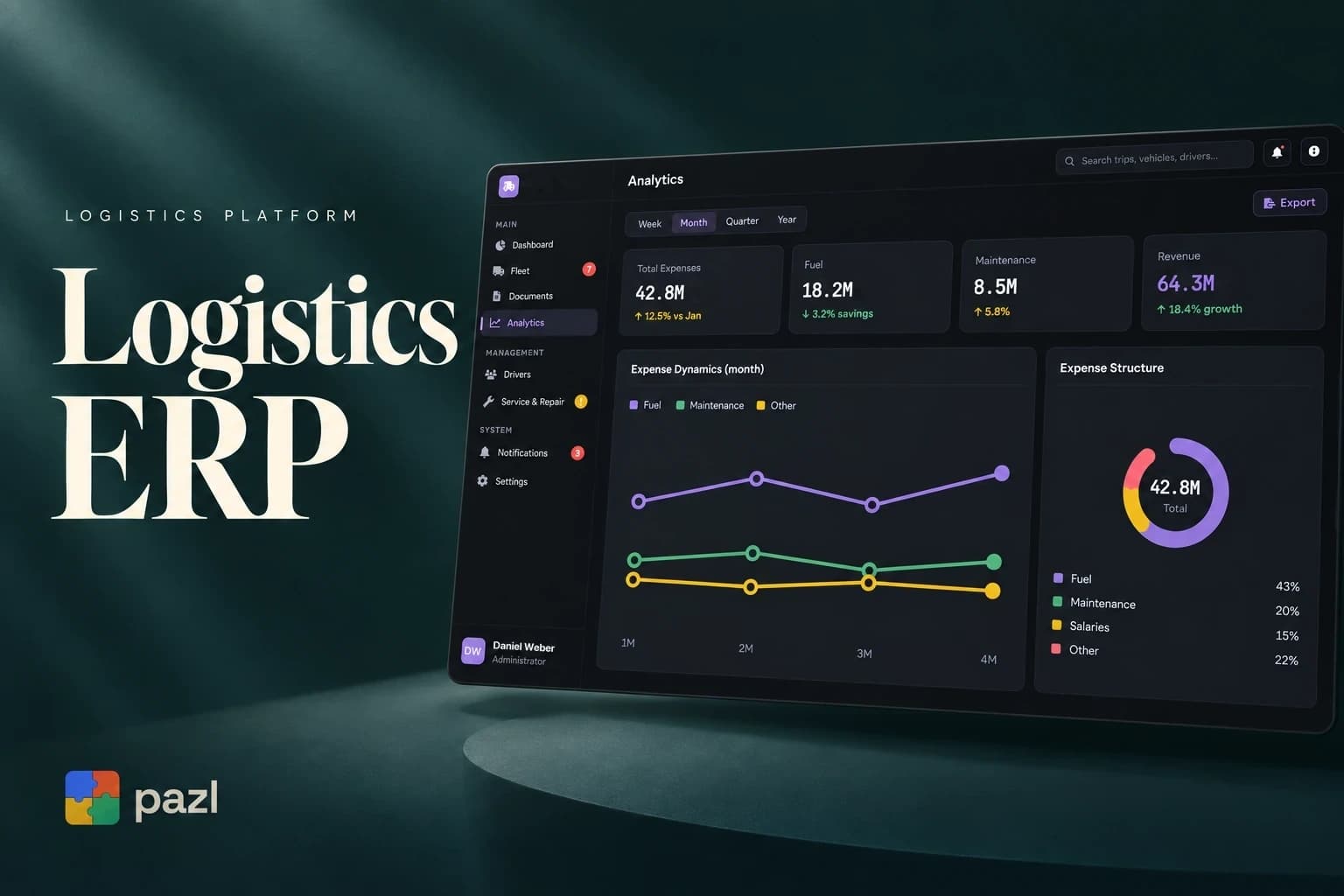
ERP (enterprise resource planning) is software that runs a company’s core processes, such as sales, purchasing, stock, production, accounting and HR, in one system with one shared database.
Also calledenterprise resource planning
Why it matters for a business
An ERP replaces the patchwork of spreadsheets and separate tools where the same order gets typed several times.
More
SAP, Microsoft Dynamics 365, NetSuite and Odoo are examples.
You get one version of stock, costs and margins. It is also a big commitment that changes how people work, so map your processes before you compare vendors.
Modules
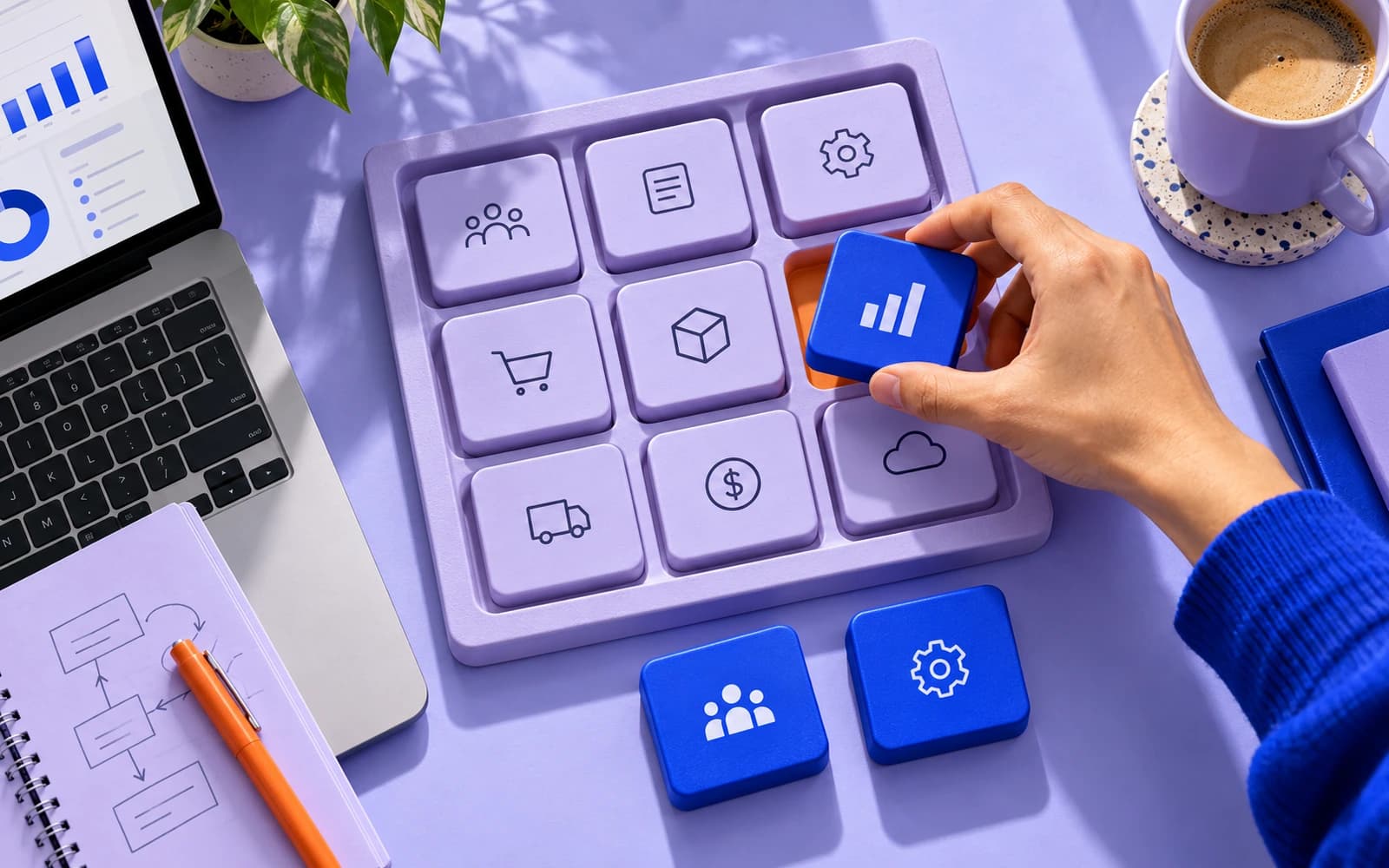
Most ERPs come as modules, so you can start with finance and sales and add stock or manufacturing later.
ERP vs CRM
The CRM wins customers; the ERP fulfils their orders, manages stock and keeps the books.
Integrations
Online shops, payment providers, banks and customers’ EDI systems connect to the ERP through APIs.
- Sales
- Purchasing
- Stock
- Production
- Finance
What it costs
Starting prices of our services on this topic, in your currency.
ERP in practice
One system that runs a company’s core processes: sales, purchasing, stock, production and finance.
Example
- A furniture maker in High Wycombe runs orders in one tool, stock in spreadsheets and accounts in another package.
- An ERP brings them together: a sales order reserves materials, starts a production job and creates the invoice when the sofa ships.
- Finance sees the margin on each order without a month-end spreadsheet.
Which term is it?
A modular business software suite: CRM, sales, invoicing, inventory, HR and more in one system.

From the founder
A business system should fit the way your team already works. We connect it, extend it or build the missing part, and a named person is responsible for it.
Anatoly MikhailovFounder of Pazl